
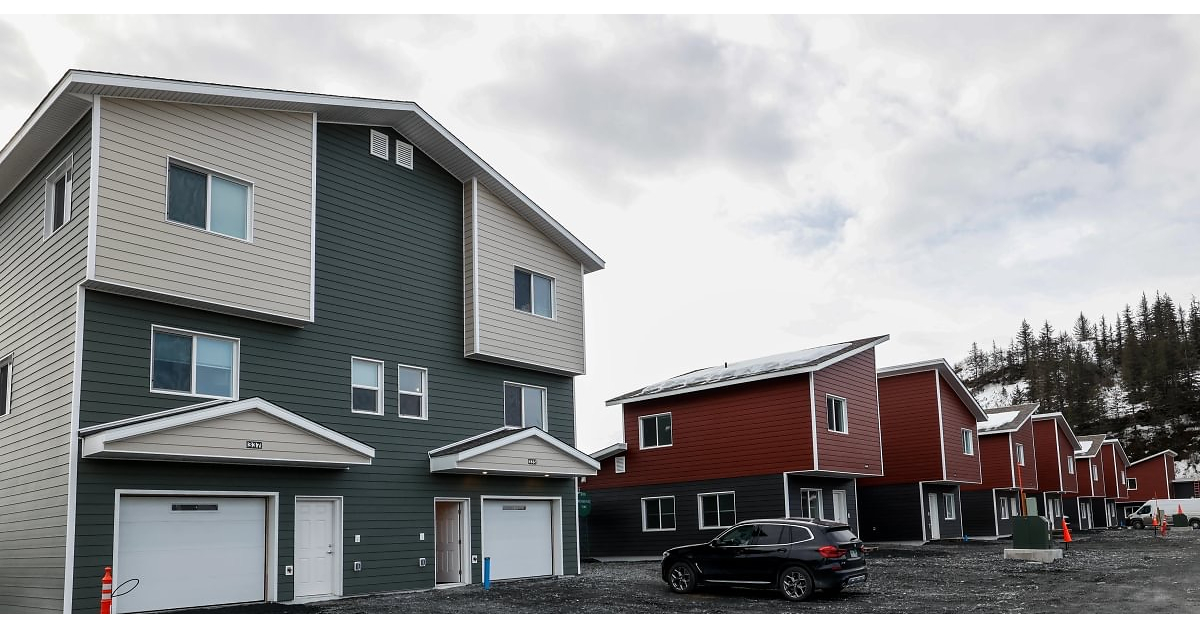
WNC & Associates celebrated the grand opening of Blueberry Terrace, a new 20-unit affordable housing community in Valdez, Alaska, built on a previously vacant lot. The ~$13.8 million project is financed with 4% Low-Income Housing Tax Credits (LIHTC) and is targeted at households earning up to 60% of AMI. The development marks Valdez’s first multifamily newly constructed community in about four decades, which is supportive for the local affordable-housing supply but is unlikely to materially move broader markets.
This is a signal about financing capacity, not about near-term housing demand. A single 20-unit delivery is too small to move listed equity cash flows, but it does confirm that 4% LIHTC execution is still closing in a higher-rate tape, which matters for banks and syndicators that monetize tax credits and fee income. The public-market beneficiaries are the financing platforms, not the developer headline.
The real mechanism is rate sensitivity: affordable-housing math is a spread product between debt costs, tax-credit pricing, and construction cost inflation. If long rates stay elevated or tax-equity appetite softens, the pipeline can slow over the next 1-3 quarters even if policy rhetoric remains supportive; that would pressure originators and lenders with community-development franchises. Conversely, continued closings like this imply chronic supply scarcity persists in niche markets, which supports localized rent resilience but is not large enough to alter national apartment fundamentals.
The contrarian read is that investors may overstate the macro significance of any single ribbon-cutting. The more important variable is whether LIHTC pricing and bank balance-sheet capacity hold up through the next financing cycle. The thesis is falsified if 10Y yields back up materially, syndication spreads widen, or housing-credit allocations get delayed; absent that, this is best treated as confirmation of a functioning capital stack rather than a fresh catalyst.
AI-powered research, real-time alerts, and portfolio analytics for institutional investors.
Overall Sentiment
mildly positive
Sentiment Score
0.12
Ticker Sentiment
