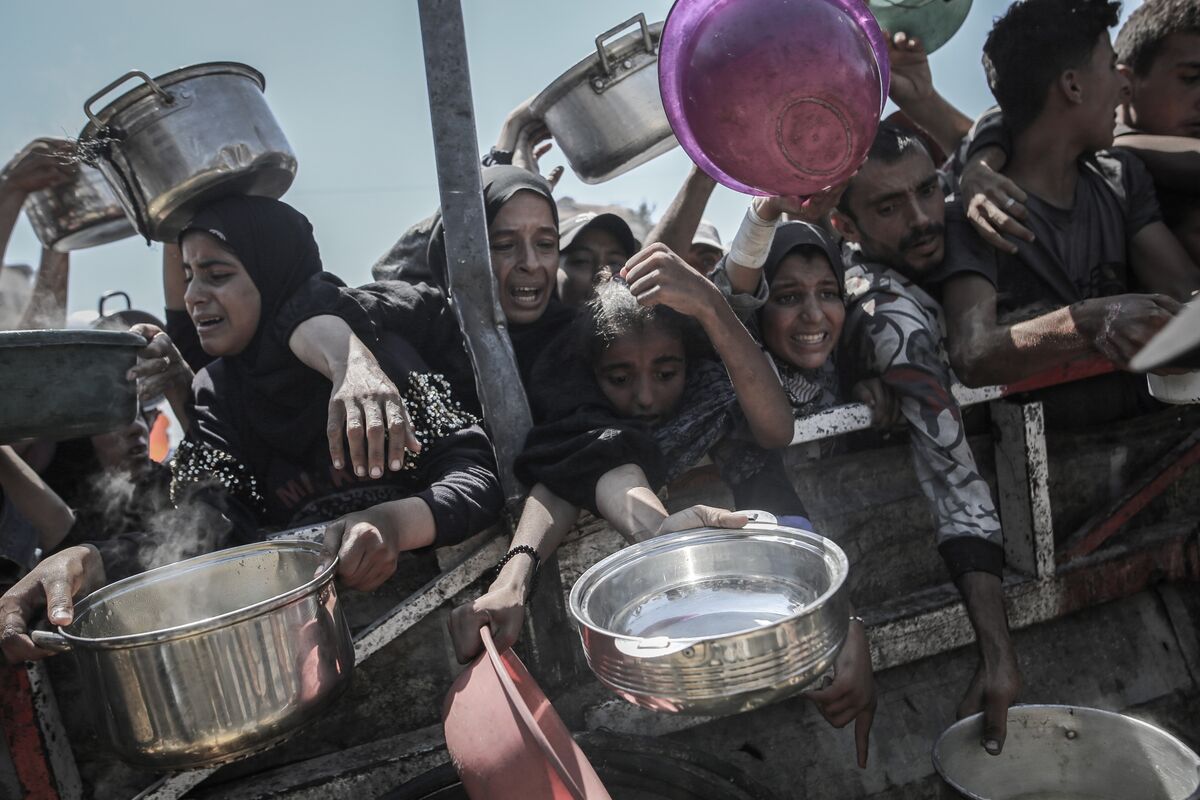
A UN-backed body, the Integrated Food Security Phase Classification (IPC), has declared a famine in Gaza for the first time since the Israel-Hamas conflict began, projecting over 640,000 people will face catastrophic food insecurity by September. This declaration is expected to significantly intensify international pressure for a ceasefire and accelerate humanitarian aid, potentially influencing regional geopolitical stability and diplomatic efforts.
The official declaration of a famine in Gaza by the UN-backed Integrated Food Security Phase Classification (IPC) marks a significant escalation in the humanitarian crisis, with projections of over 640,000 people facing catastrophic food insecurity by September. This development is not merely a humanitarian data point but a potent geopolitical catalyst. It is expected to substantially increase international pressure for a ceasefire and the accelerated delivery of aid, potentially altering the diplomatic landscape and regional stability. While the immediate, direct market impact is assessed as low, the situation elevates tail risks associated with the Middle East conflict. Investors should view this as a leading indicator of potential shifts in foreign policy, international sanctions, or aid-related logistical operations, which carry second-order economic and market implications.
AI-powered research, real-time alerts, and portfolio analytics for institutional investors.
Request DemoOverall Sentiment
mildly negative
Sentiment Score
-0.25
