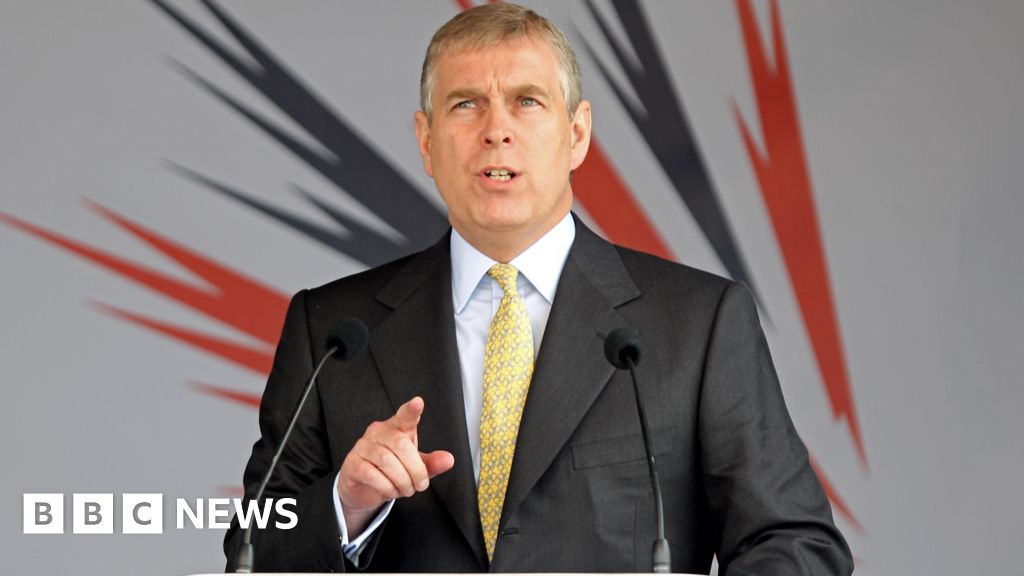
A UK government briefing prepared for Prince Andrew as a trade envoy detailing high‑value commercial opportunities in Helmand province — including marble, gold, iridium, uranium, thorium and potential oil and gas deposits — was apparently forwarded by him to Jeffrey Epstein in December 2010. The disclosure, drawn from Provincial Reconstruction Team material compiled while UK forces were active in Afghanistan, has prompted criticism, calls for transparency and police assessment of whether confidentiality rules were breached, creating reputational and legal risk around the trade‑envoy program. While significant for governance and potential future scrutiny of Afghanistan mineral projects, the story carries limited immediate market implications for listed commodity or defense firms.
Market structure: The revelation is unlikely to change global commodity supply immediately but raises systemic risk premia for frontier/contested-asset developers. Expect capital flight from high-fragility jurisdictions into majors and physical stores of value; majors (NEM, BHP, RIO) gain relative pricing power while exploration juniors (GDXJ constituents) see implied funding costs rise 100–300 bps and valuations drop 10–40% if political/legal scrutiny widens over 3–12 months.
Risk assessment: Tail risks include a UK criminal/regulatory probe that forces disclosure of contractual pipelines or cancels conduit financing — low probability (<20%) near term but high impact for exposed sponsors. Timeline: days = reputational headlines (minor market moves), weeks–months = legal/regulatory actions and sponsor de-risking, 1–5 years = project sanctioning decisions for Afghan deposits (capex, security, social license). Hidden dependency: banks and insurers may quietly withdraw ECA/credit support, amplifying funding stress for frontier projects.
Trade implications: Tactical trades should favor large-cap producers and physicals; avoid or hedge juniors and any names with explicit Afghanistan exposure. Cross-asset: expect modest FX safe-haven flows (USD, JPY), a 1–3% lift in gold over weeks if broader geopolitical risk escalates, and EM sovereign spreads could widen 10–50 bps for related corridors. Use options to buy protection on juniors and express selective gold longs with limited capital.
Contrarian angle: The market will underprice the multi-year timeline to commercialize Afghan uranium/gold — realistic supply impact is negligible for 5–10 years, so pure commodity spot longs are risky. Conversely, regulation-driven repricing of project risk is sustainable; mispricings exist in junior miners (over-discounted relative to measured resource value) if a stable sponsor emerges. Historical parallel: post-conflict resource re-appraisals (Iraq, 2003) saw multi-year development timelines and winners were well-capitalized majors and service contractors, not early explorers.
AI-powered research, real-time alerts, and portfolio analytics for institutional investors.
Request DemoOverall Sentiment
moderately negative
Sentiment Score
-0.45
