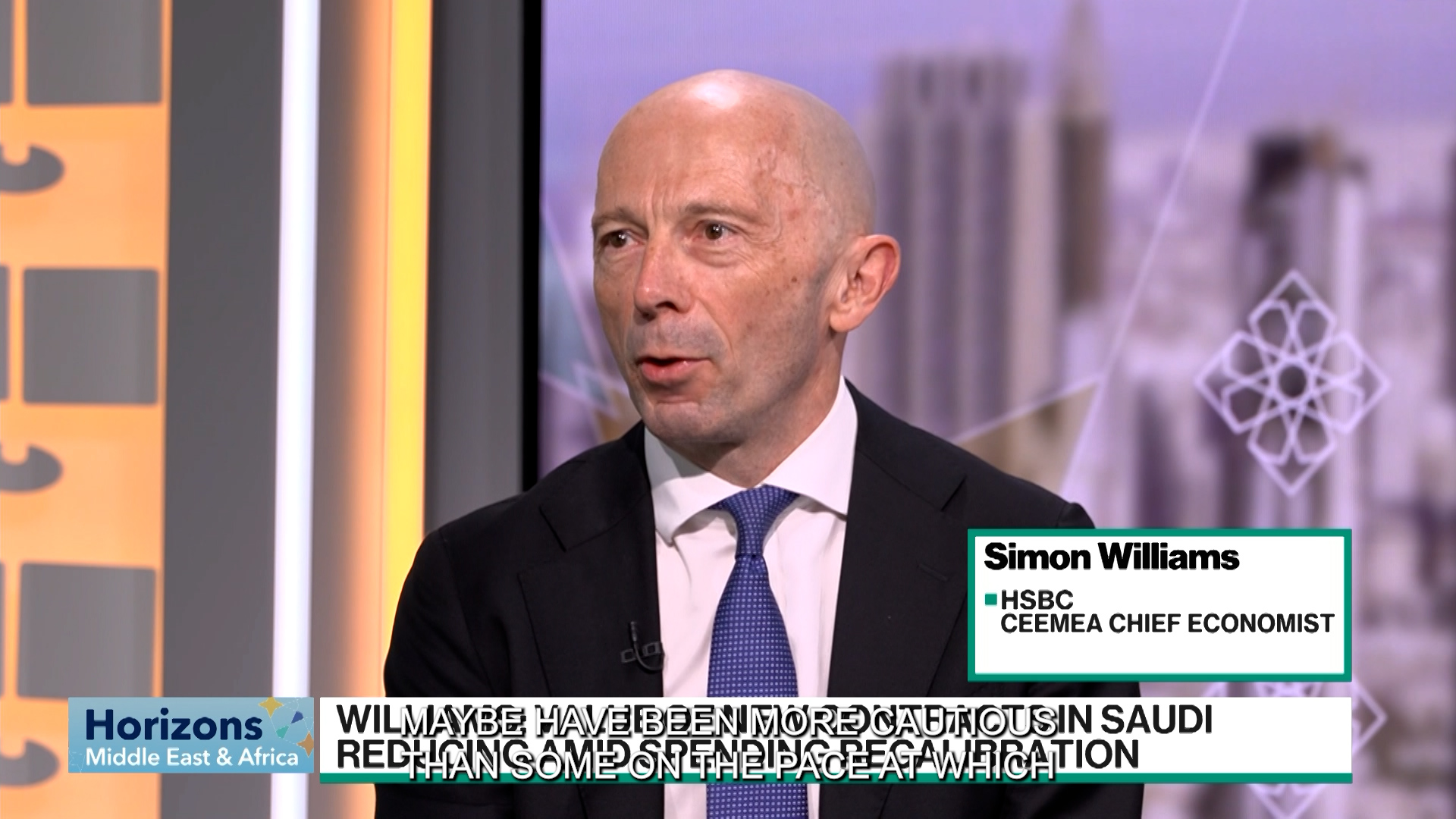
GCC capital spending remains large but is maturing: schemes in execution total about $2.1 trillion (roughly 90% of regional GDP), driven by real estate, infrastructure, power (including renewables) and an increasing digital agenda. Saudi Arabia shows a marked slowdown in new contract awards (down nearly two-thirds on a rolling 12-month basis) though execution remains sizable; the analyst expects non‑oil growth of ~4% through 2027, assumes $65/bl oil and sees a public deficit near 4% of GDP. Qatar has regained momentum but remains concentrated in oil & gas projects, and the region displays divergence with UAE project activity still expanding rapidly.
Market structure: The Gulf remains in a large execution phase (~$2.1tn, ~90% of GDP) which props demand for contractors, construction materials, power and digital‑infra vendors for the next 12–36 months. Winners: EPCs with large backlog, renewables/IPPs, cement/steel suppliers and regional real‑estate developers; losers: players dependent on new contract flow (new contract signings in KSA down ~66% y/y) and marginal international EPCs facing bid competition. With awards slowing, pricing power will shift from new‑order winners to incumbents with execution capability; expect incremental material demand to drift down 5–10% vs 2023–24 peaks over the next 6–12 months.
Risk assessment: Major tail risks are an oil price shock (<$50/bbl) forcing project re‑scopes or cancellations within 3–12 months, geopolitical disruption to labor/supply chains, or contractor insolvencies if margin squeeze hits. Hidden dependencies include migrant labor policy changes, local content/regulatory shifts and FX/liquidity in regional banks; catalysts that would re‑rate the story are weekly/monthly new‑contract data, Saudi budget revisions and oil moving >±$10 from $65 baseline. Time horizons: price sensitivity immediate (days), award data and contract pipeline over weeks–months, structural reallocations (renewables, digital infra) over quarters–years.
Trade implications: Equity upside is concentrated and idiosyncratic: favor firms capturing execution (power/renewables and government‑backed developers) and underweight commodity‑exposed suppliers once backlogs roll down. Fixed income: sovereign issuance likely to rise modestly—buy 2–5y Saudi USD on >20–30bp sell‑offs. FX/Cash: GCC pegs limit FX moves absent oil shock; commodity names (steel/copper) likely to see mean reversion if award flow weakens.
Contrarian angles: Consensus focuses on slower new awards as uniformly bearish; that misses durable annuity streams (O&M, IPPs, digital‑infra maintenance) which often rise as projects enter execution. History (post‑Covid rebound / post‑2014 cycles) shows execution can sustain revenues for 2–3 years after a new‑award trough; slower awards can compress input prices, improving developer margins and REIT yields. If monthly new contract declines improve from −66% to >−40% within 3 months, reverse short trades quickly.
AI-powered research, real-time alerts, and portfolio analytics for institutional investors.
Request DemoOverall Sentiment
mixed
Sentiment Score
0.10
