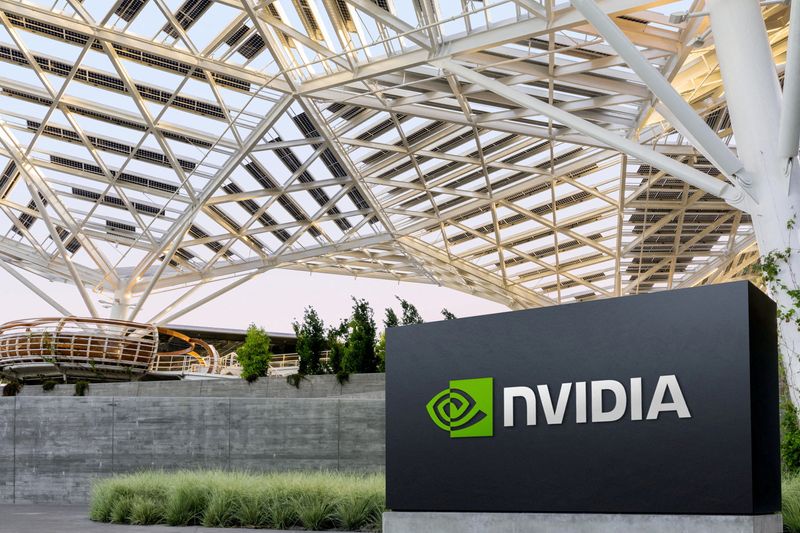
WeRide unveiled the Robotaxi GXR built on Nvidia's DRIVE Hyperion and DRIVE AGX Thor with a new HPC 3.0 unit, claiming ~50% lower autonomous driving system costs and an 84% reduction in total cost of ownership. The company plans a Southeast Asia roll-out with shareholder/partner Grab, beginning public trials in Singapore (Punggol) with services expected April 1, and targets >2,600 active robotaxis by 2026 and tens of thousands by 2030.
The immediate winners are platform owners and component suppliers that convert prototype wins into fleet economics; the marginal revenue to Nvidia from robotaxi compute is non-trivial over a multi-year horizon but will be a smaller portion of near-term guidance — think meaningful margin tailwinds across its automotive OEM/Tier-1 relationships over 12–36 months rather than a near-term revenue shock. A successful roll-out in Southeast Asia acts as a low-cost market testbed: positive utilization and uptime metrics there will de-risk expansion to denser, higher-liability metros and materially change investor perception of unit economics.
Second-order supply-chain effects matter: halving autonomous stack cost either requires step-change silicon integration, order-of-magnitude increases in unit volumes, or a combination (2–5x scale + 30–50% component price declines). That shifts procurement winners toward high-volume sensor vendors, OSATs and thermal/EV battery suppliers; it also increases bargaining power of fleet operators—pressuring standalone AD stack vendors to move to revenue-share models. Legacy OEMs that underprice the software/ops transition face margin compression as fleets internalize maintenance and telematics revenue.
Key risks are execution and liability: a single high-profile safety incident or slower-than-expected regulator acceptance in core markets can reverse the narrative within weeks, while proof points (consistent uptime, per-ride yield, insurance pricing) will take quarters to manifest. Watch three cadence layers: daily sentiment on trials, quarterly updates on utilization/avg revenue per vehicle, and multi-year capital intensity that determines whether units scale to the tens-of-thousands without repeated equity raises.
The consensus is excited about cost-decline narratives but underweights ops complexity and financing needs of fleet rollouts. This creates asymmetric option-like opportunities where small, disciplined exposures to platform/compute winners and component suppliers capture convex upside, while shorts or hedges on stand-alone autonomy plays that lack clear path-to-profit protect against steep drawdowns if scale or regulatory tails arrive.
AI-powered research, real-time alerts, and portfolio analytics for institutional investors.
Request DemoOverall Sentiment
strongly positive
Sentiment Score
0.65
Ticker Sentiment
