

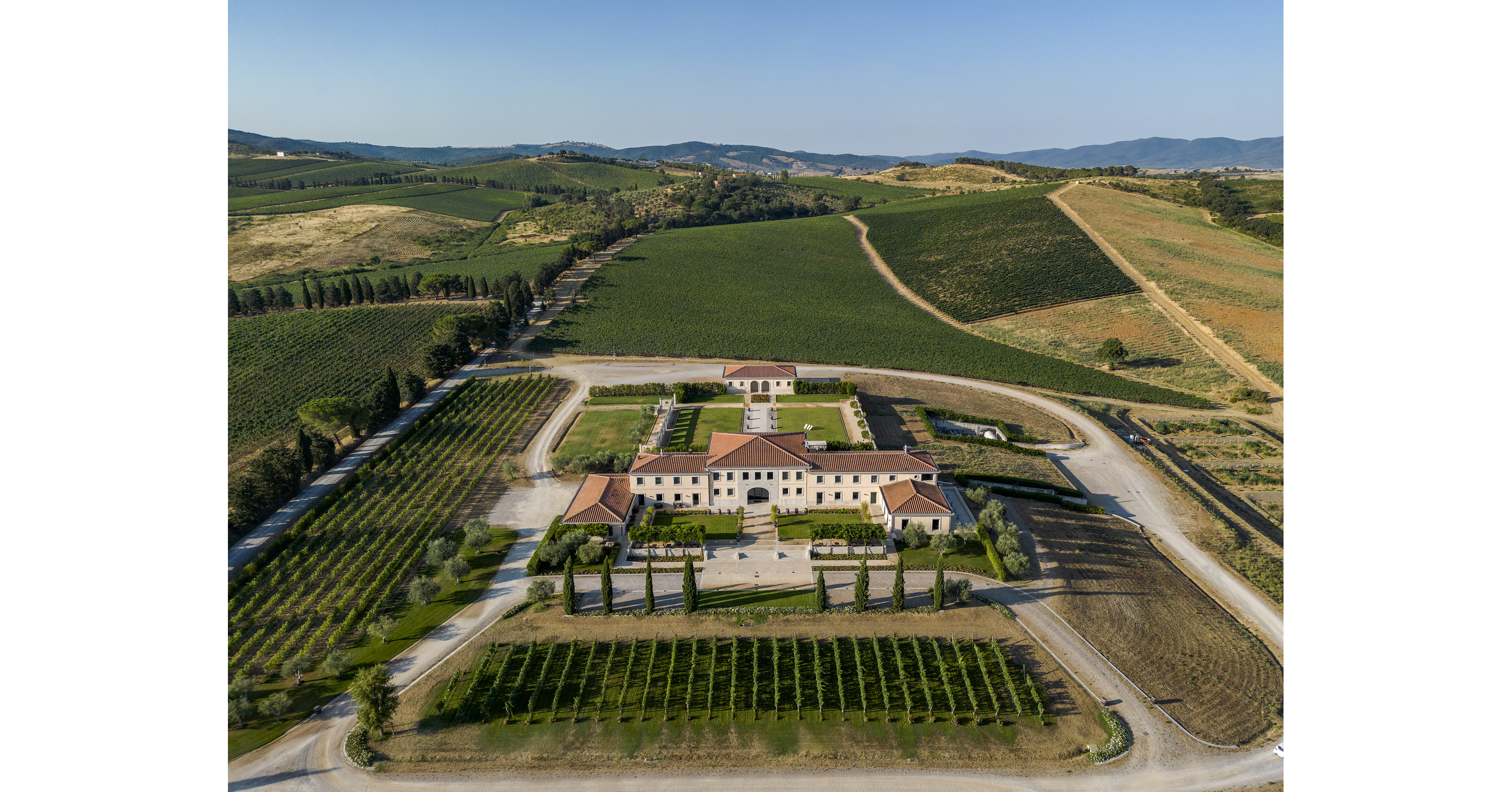
Famiglia Cecchi marked the 30th anniversary of its Val delle Rose estate (acquired in 1996), which has expanded from 25 hectares to 186 hectares, with 100+ hectares under vine transitioning to certified organic practices since the 2021 harvest. The winery is rolling out new “fresh wave” bottlings for summer 2026, including Lobelia Toscana IGT Bianco (Vermentino/Trebbiano/Chardonnay blend), plus established releases Caprifoglio Viognier DOC and Calipte Toscana IGT Rosé. The launches also highlight recyclable glass design (digital printing with organic inks) and are paired with upgraded on-site hospitality/event programming.
This is mostly a brand-maintenance and channel-expansion signal, not a near-term earnings catalyst. For public equities, the economic value sits in whether the estate can convert heritage into higher direct-to-consumer mix, tourism spend, and premium bottle pricing; otherwise the organic conversion is just a cost center with a long payback. The listed takeaway is that premium Italian wine remains a niche, low-beta way to defend pricing, but the scale here is far too small to matter for broad beverage multiples.
The second-order winner is the local premium ecosystem: hospitality, glass, labels, logistics, and high-end packaging suppliers should see steadier demand if these estates keep leaning into experiential visits and recyclable presentation. The risk is that sustainability language gets ahead of actual margin impact — organic farming can raise vineyard costs and lower yields before it improves brand elasticity. In a softer consumer backdrop, the most exposed segment is not the flagship estate but the broader mid-tier wine channel, where premiumization can stall and inventory discounts widen.
Contrarian view: the market should treat this as confirmation that the company is protecting the top end of the category, not as evidence of accelerating volume. The real question is whether the new SKUs add distribution or simply pad assortment; without measurable lift in export mix, tasting-room traffic, or gross margin, this is a story for collectors, not shareholders. Time horizon-wise, the only actionable read-through is 6-18 months, when organic conversion and hospitality monetization can show up in reported margin structure; absent that, this is a watch item rather than a trade.
AI-powered research, real-time alerts, and portfolio analytics for institutional investors.
Request TrialOverall Sentiment
mildly positive
Sentiment Score
0.12
Ticker Sentiment
