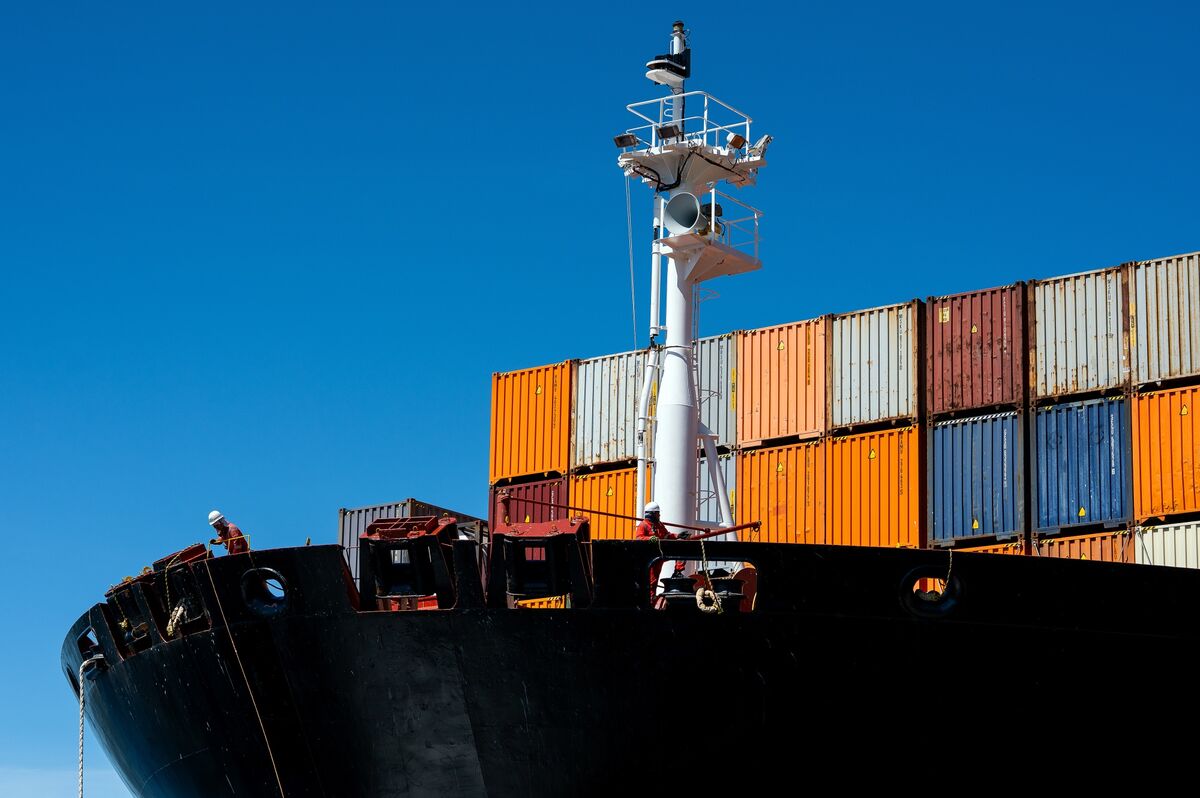
Australia has secured the first vessel for its strategic maritime fleet, the ANL Kokoda, to help respond to supply-chain disruptions, war-related shocks, and natural disasters. The Australian-flagged container ship will be privately owned and operated but available for emergency use, with an Australian crew. The move is supportive for logistics resilience but is mainly a policy and preparedness update rather than a market-moving event.
This is less about one hull and more about a policy signal that Australia is willing to pay a premium for sovereignty in logistics. The economic winner is likely not the ship owner, but domestic crewing, flag-state service providers, port-security vendors, and any operators with compliant spare capacity that can be contracted into a contingency network. The second-order effect is a higher cost of resilience for importers: once governments create “strategic” freight capacity, private carriers can reprice scarce lift and specialized routes, especially in periods of weather or geopolitical stress.
The more interesting market implication is that this strengthens the case for redundancy across Pacific and Asia-Australia supply chains. Bulk commodity exporters and major retailers with just-in-time inventory models now face a small but rising probability of government intervention, priority access rules, or mandated domestic coordination during disruptions. That does not move earnings immediately, but it raises the value of firms with flexible warehousing, multi-port routing, and local inventory buffers over pure spot-shipping exposure.
The catalyst profile is long-dated: the first vessel matters symbolically now, but the investable impact only shows up if the program expands to multiple ships, dedicated routes, or emergency charter mandates over the next 6-24 months. The main risk to the thesis is that the program remains tokenistic and politically useful only during crisis headlines, with no meaningful follow-through on funding or fleet scale. If that happens, the trade becomes a fade on logistics-resilience names after the initial policy premium.
Consensus may be underestimating the inflationary tail of “resilience nationalism.” Even modest strategic-fleet buildouts can push up freight insurance, compliance, and labor costs across the region, which is mildly bearish for import-heavy retailers and industrials but supportive for domestic substitution themes. The contrarian view is that this is not a shipping bull case; it is a supply-chain diversification catalyst that rewards whichever listed companies can prove optionality, not just capacity.
AI-powered research, real-time alerts, and portfolio analytics for institutional investors.
Request DemoOverall Sentiment
neutral
Sentiment Score
0.15
