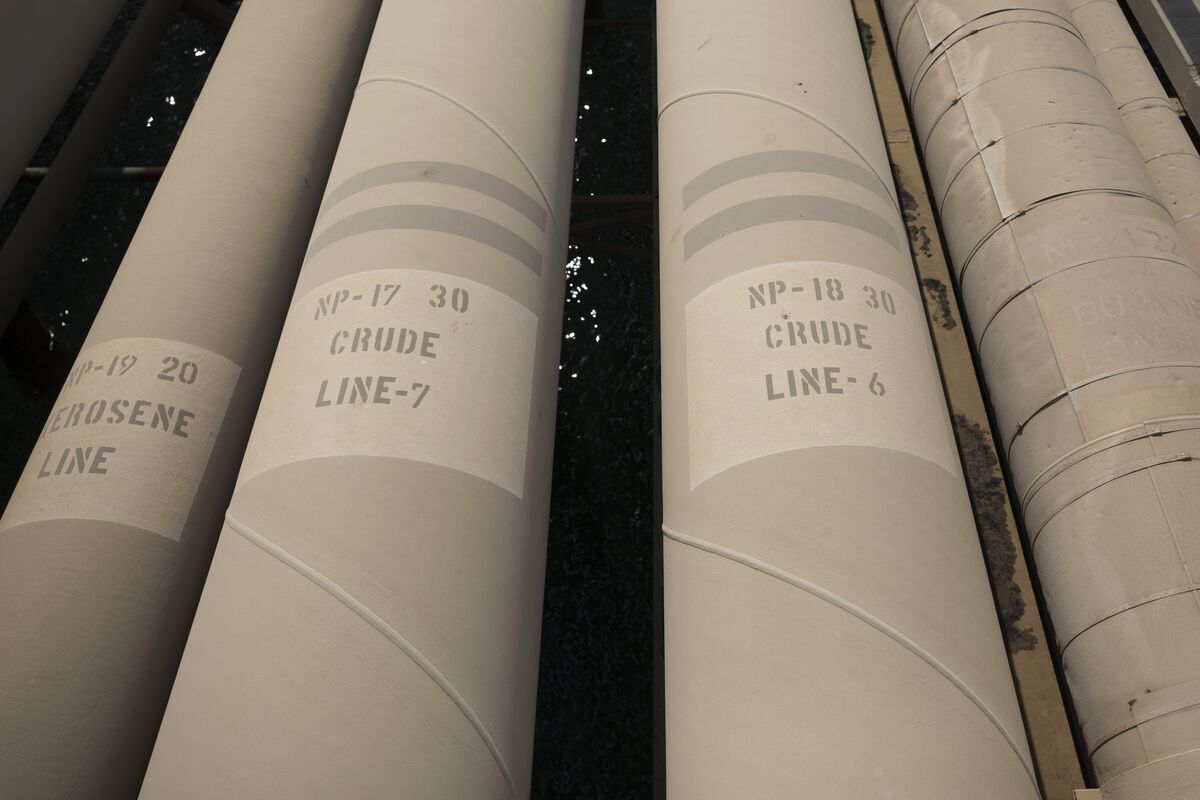
Asian oil buyers are highly dependent on Middle Eastern crude, importing over 80% of the region's output, with 90% transiting the Strait of Hormuz. This significant reliance leaves Asia acutely vulnerable to supply disruptions from escalating conflicts around Iran, prompting heightened concern among traders regarding potential impacts on global oil flows.
Asia's energy security is acutely vulnerable due to its significant reliance on Middle Eastern crude oil, a dependency underscored by recent geopolitical escalations involving Iran. The region purchases over 80% of all crude produced in the Middle East, creating a concentrated demand profile. This vulnerability is severely amplified by a critical logistical chokepoint, with 90% of these exports transiting the Strait of Hormuz, according to Kpler SAS data. The high market impact score of 0.85 and strongly negative sentiment score of -0.7 signal that market participants are pricing in a substantial risk of supply disruption. Any military or political event that impedes passage through the strait could trigger immediate and severe consequences for global oil flows and prices, disproportionately affecting Asian economies.
AI-powered research, real-time alerts, and portfolio analytics for institutional investors.
Request DemoOverall Sentiment
strongly negative
Sentiment Score
-0.70
