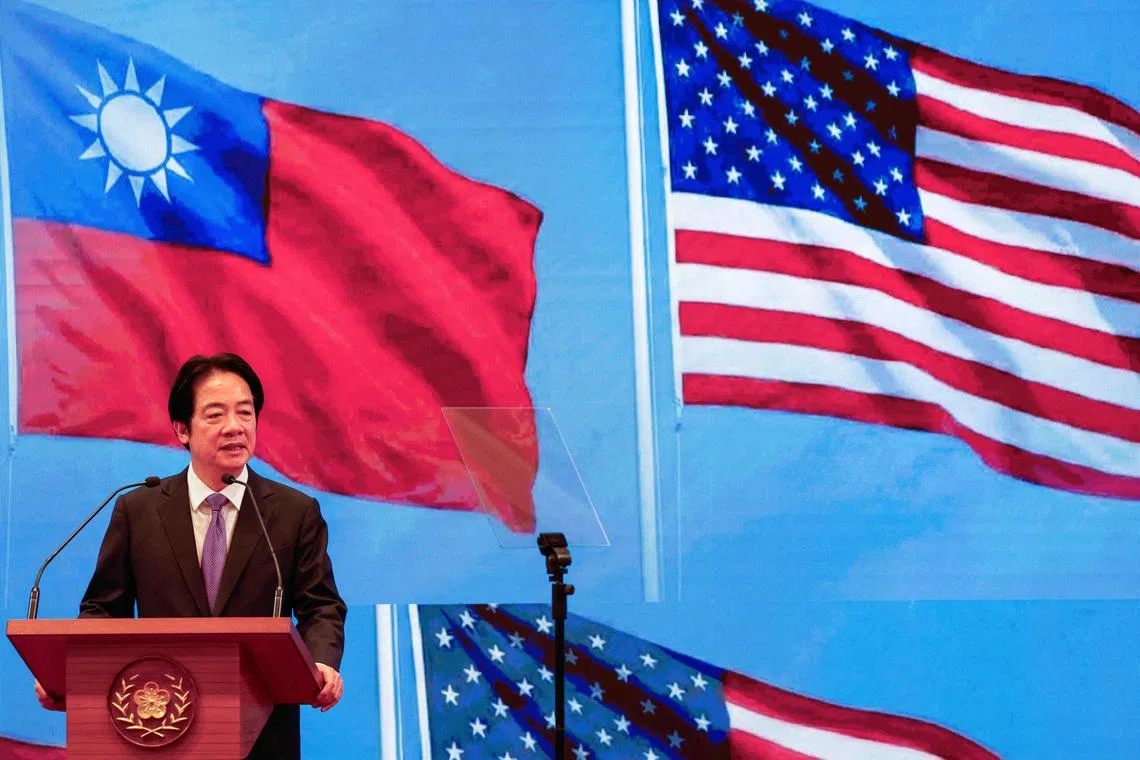
China rejected US criticism after Taiwan said Seychelles, Mauritius and Madagascar revoked overflight permits for President Lai Ching-te’s planned April 22 trip to Eswatini, forcing the first full cancellation of a Taiwan president’s foreign visit due to airspace denial. The episode underscores intensifying geopolitical pressure on Taiwan and Beijing’s effort to limit the island’s international engagement, with the US, EU and Britain voicing concern. The immediate market impact is limited, but the dispute adds to regional risk sentiment.
This is less about Taiwan-specific optics and more about Beijing demonstrating it can weaponize administrative chokepoints outside the Strait with very low cost and high signaling value. The second-order effect is that every Taiwan diplomatic trip now carries a higher execution risk premium, which quietly degrades Taipei’s ability to maintain the remaining formal-relationship network and to convert symbolic diplomacy into substantive security partnerships. Over time, that raises the probability that allies, especially small states, start pricing in not just Chinese retaliation but also reputational risk from being seen as facilitating Taiwan travel.
The market implication is not a direct earnings hit but a gradual increase in geopolitical friction across airspace, routing, and sovereign-access decisions in EM and frontier markets. Airlines and aerospace suppliers are not the first-order losers; the more important spillover is for logistics-dependent sectors if this behavior normalizes and other states begin preemptively denying politically sensitive overflight or port access to avoid entanglement. That creates a mild tailwind for firms with diversified routing, multi-hub operations, and stronger contingency planning, while increasing optionality value for defense, surveillance, and secure communications names.
The key catalyst is not the current episode itself but whether Beijing repeats the tactic against other Taiwan-linked transit plans over the next 1-3 months. If it does, the move likely shifts from one-off intimidation to a template, which would harden sovereign risk premiums across the Indo-Pacific and widen the gap between headline stability and operational fragility. The reverse case would require coordinated pushback from the US, EU, and regional aviation authorities, but absent that, the path of least resistance is more administrative pressure, not less.
Consensus is probably underestimating how asymmetric this tool is: China can impose meaningful diplomatic pain without crossing the threshold that triggers kinetic escalation or major sanctions. That means the strategy can be sustained and iterated, making the immediate market reaction too complacent if it assumes this is a one-day news event. The better read is that this increases the option value of hedges on geopolitical dislocation rather than calling for outright risk-off positioning in broad EM.
AI-powered research, real-time alerts, and portfolio analytics for institutional investors.
Request TrialOverall Sentiment
moderately negative
Sentiment Score
-0.20
