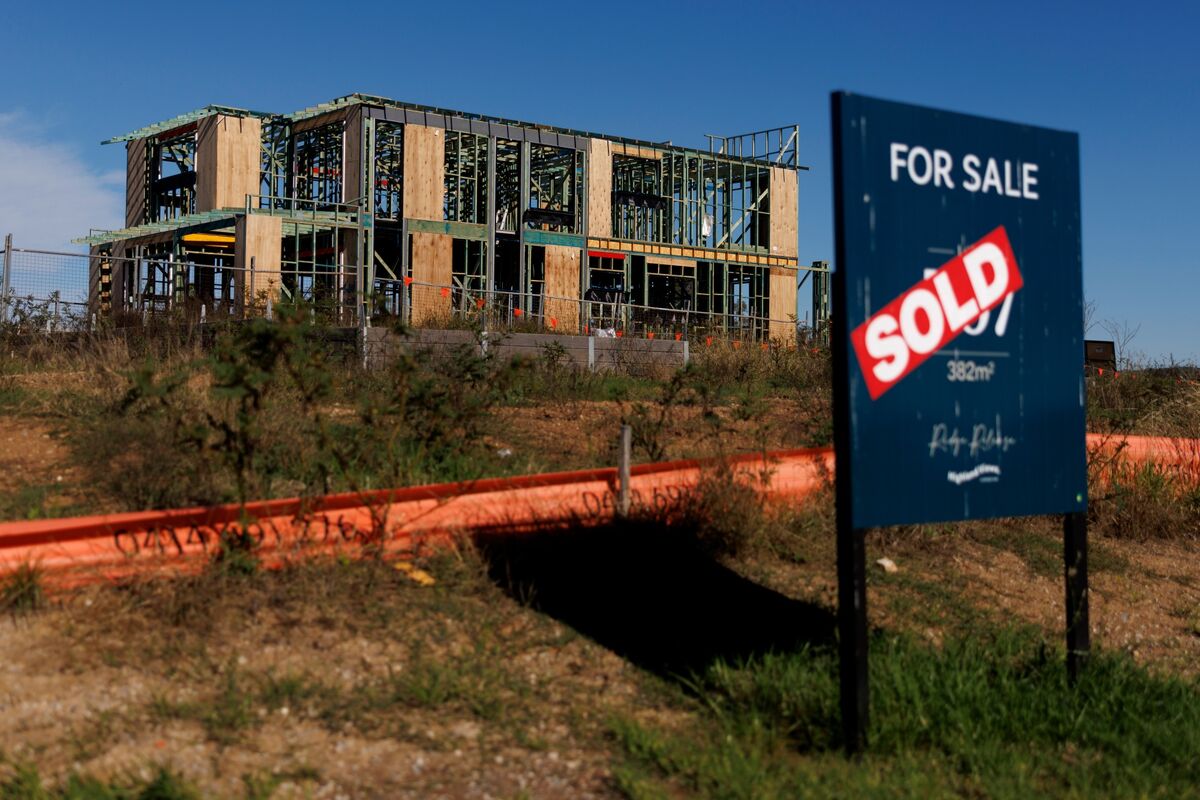
Australia’s unemployment rate rose to 4.5% in July (vs. 4.4% expected), after the economy shed more than 15,000 jobs—prompting traders to pare bets on an RBA rate hike next month. The housing slump is also starting to show up in corporate earnings, with reporting indicating the downturn is pressuring bottom lines, particularly for big banks. The piece also flags Anthropic’s move closer to an IPO, though the immediate macro signal is the labor-market surprise driving rate expectations.
The market mechanism here is less about today’s unemployment print and more about the policy path embedded in front-end rates. If traders keep repricing away a near-term hike, duration-sensitive equities should get an immediate relief bid, but that is not the same as saying housing fundamentals have turned; transaction volumes and loan growth usually lag labor weakness by 1-2 quarters.
The second-order effect is that the banks may look safer on headline credit quality than they really are. A softer RBA path can protect mortgage arrears in the short run, yet slower employment and weaker turnover typically hit mortgage origination, refinancing churn, and fee income first, then show up in bad debts later; that is a 2-4 quarter earnings risk for CBA, WBC, ANZ and NAB. In contrast, listed REITs and leveraged property names can benefit sooner because their discount rates are mechanically tied to rate expectations, even if underlying leasing conditions only improve gradually.
Contrarian view: the consensus may be treating this as a clean “good news for housing” print, when it may actually be the first sign that the housing slump is spilling into the real economy. If the next CPI or wage data re-accelerates, the rate-cut/hold narrative reverses quickly and the current rally in rate-sensitive names would be fragile. What would falsify the bearish bank view is a stabilizing labor market plus softer inflation; what would falsify the bullish REIT view is a renewed hawkish RBA tone or any rebound in front-end yield pricing.
AI-powered research, real-time alerts, and portfolio analytics for institutional investors.
Overall Sentiment
mildly negative
Sentiment Score
-0.25
Ticker Sentiment
