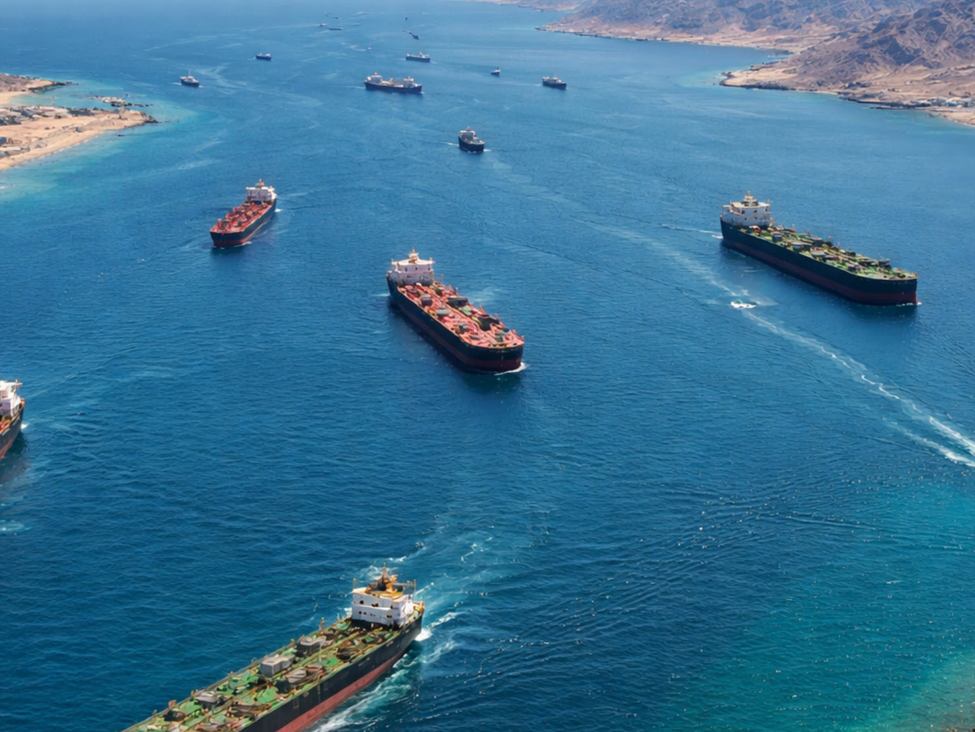
Iran is seeking to impose permanent transit tolls of more than $1 million per vessel on shipping through the Strait of Hormuz, while the US says free, untolled navigation must be restored as a non-negotiable شرط for peace. The dispute raises risks to a critical global chokepoint and could materially disrupt commercial shipping, energy flows, and Gulf security arrangements. The US has warned that paying the fees could trigger sanctions and is already intercepting vessels to challenge Tehran's claims.
The key market issue is not the toll itself, but the precedent: if pricing access to a global choke point becomes semi-legitimized, the marginal cost of shipping through the Gulf shifts from a transitory war risk premium to a recurring sovereign levy. That would re-rate the entire insurance, freight, and inventory chain because cargo owners would need to budget a standing geopolitical tax rather than a one-off disruption, which is more inflationary and more durable for commodities than a simple spike in spot freight.
The first-order losers are Gulf import-dependent sectors and any company with heavy Asia-Middle East-Europe routing exposure, but the second-order damage is broader: longer working-capital cycles, more buffer inventory, and higher onshore warehousing demand in Europe and Asia. The most underappreciated beneficiary is not the shipowner, but the stack around maritime risk transfer — war-risk underwriters, specialty insurers, security contractors, and fleet operators that can re-route or command scarcity pricing if vessel access becomes politically segmented.
Catalyst timing matters. In the next 1-4 weeks, headlines alone can keep freight and insurance spreads elevated; over 3-6 months, the real risk is normalization, where counterparties start pricing tolls into contracts and pass-through becomes embedded in consumer goods and petrochemicals. The main reversal would be a credible multilateral security framework that restores unconditional passage, but that requires the US to accept a concession it appears unwilling to make, so the base case is a higher-for-longer geopolitical friction premium.
The contrarian angle is that markets may be underestimating the asymmetry between actual flow disruption and pricing power: even without major interdictions, the perception of toll permanence is enough to widen spreads and support beneficiaries. However, a pure long-congestion trade is vulnerable if diplomatic progress suddenly removes the levy, so the cleaner expression is to own assets that benefit from persistent risk pricing rather than one-time disruption. The right setup is to fade industries with thin margins and long shipping legs, while owning insurers, defense logistics, and selective energy exposure as an inflation hedge.
AI-powered research, real-time alerts, and portfolio analytics for institutional investors.
Request DemoOverall Sentiment
moderately negative
Sentiment Score
-0.45
