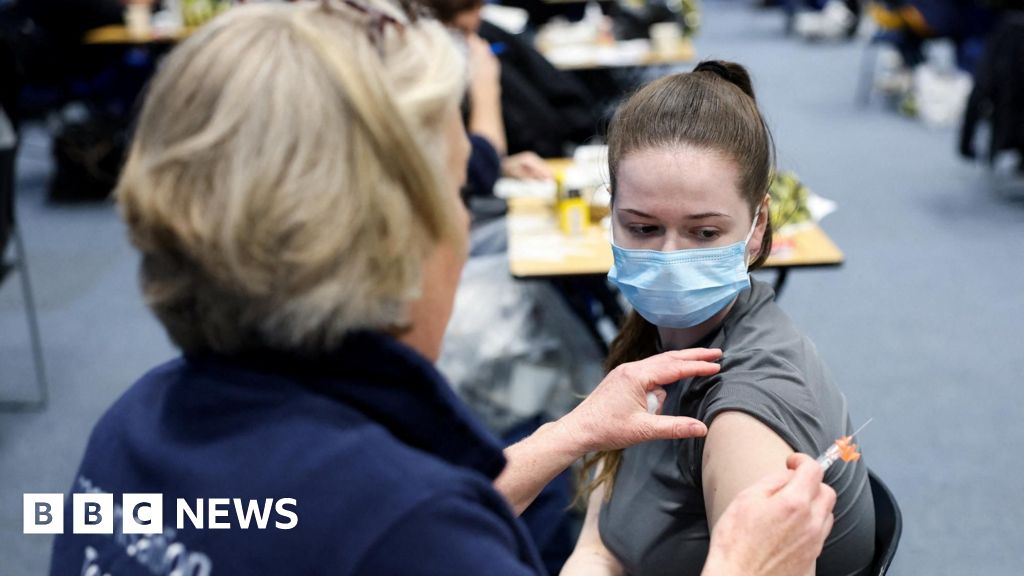
29 confirmed/suspected meningitis cases and 2 deaths linked to a Canterbury nightclub event (5-7 March); ~10,000 people have received antibiotics and ~10,000 potential close contacts identified. Incubation up to 10 days means more cases may emerge; initial genetic analysis indicates the strain is similar to UK strains since 2021 and should be covered by the MenB vaccine, which costs ~£220 privately. Health Secretary has asked vaccine advisors (JCVI) to re-evaluate teenage vaccination policy, given questions about cost-effectiveness and unprecedented outbreak scale.
The immediate market lever is policy math, not microbiology: a change in the UK vaccination recommendation would convert an “option” into a multi-hundred-million-pound procurement line for the incumbent MenB suppliers and compress lead times across their manufacturing and cold-chain networks. That creates a discrete timing window — 3–12 months from recommendation to meaningful public tender volumes — where suppliers with scale, inventory flexibility and pre‑existing UK distribution will capture the majority of incremental revenue and pricing power.
A parallel, faster-moving channel is surveillance and diagnostics spend. Governments and regional labs will accelerate sequencing and rapid diagnostics procurement to characterise variants; vendors with sequencing-by-synthesis capacity, reagent supply resilience and turnkey bioinformatics are likely to see orders on a 0–6 month cadence, producing lumpy near-term revenue bumps irrespective of vaccine policy outcomes.
Key asymmetric risks: political pressure can force emergency purchasing at above‑normal prices (near-term upside for suppliers), while a JCVI decision that the programme remains not cost‑effective would sharply reprice expectations (near-term downside). A material antigenic shift reducing vaccine match would be the largest negative tail; conversely, a small, visible case cluster outside the initial geography could be the catalyst that flips policy within weeks rather than months.
AI-powered research, real-time alerts, and portfolio analytics for institutional investors.
Request DemoOverall Sentiment
mildly negative
Sentiment Score
-0.25
