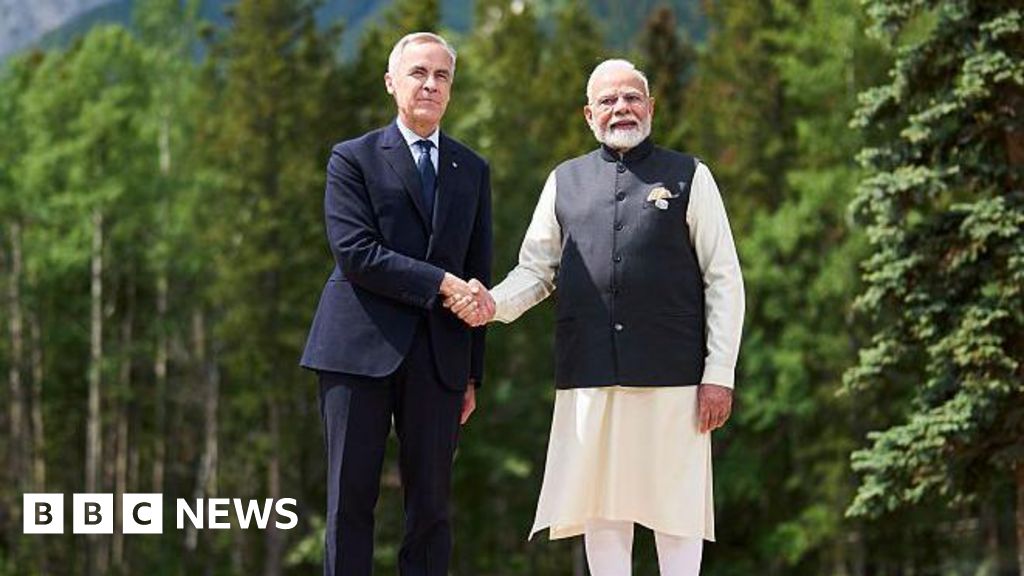
Bank of Canada governor-turned-Prime-Minister-designate Mark Carney is on a trade-focused visit to India to repair diplomacy and accelerate talks on a long-sought Canada‑India free trade agreement as both countries seek to reduce reliance on US markets and tariffs. The trip emphasizes commercial discussions in Mumbai and New Delhi on energy, technology (including AI), defence and talent attraction, with likely near-term announcements such as a proposed 10-year uranium supply pact and increased crude and gas supply arrangements. The reset follows a spike in bilateral tensions tied to a 2023 allegation now denied by India, creating a politically sensitive backdrop that limits public-facing outreach but increases urgency for trade and energy cooperation.
Market structure: The immediate winners are Canadian energy and uranium suppliers (upstream producers and pipelines) and Indian utilities/industrial buyers that need diversified fuel sources; losers include incumbents that supply India today (notably Russian oil exporters if India pivots) and any US exporters who lose market share from tariff diversion. Expect incremental Canadian market share in LNG/crude/uranium exports to rise over 12–36 months; uranium spot and producer equity prices could move +10–30% on a confirmed 10‑year supply deal, while Canadian midstream names see 5–15% re-rating as contracted flows increase.
Risk assessment: Tail risks include a diplomatic relapse (renewed allegations or protests) that reverses progress — low probability (10–20%) but would quickly widen Canada’s sovereign spreads by 20–50bps and depress resource stocks 15–40% in weeks. Time horizons: immediate (days) — knee‑jerk moves on headlines; short (weeks–months) — contract announcements and initial FTA negotiation momentum; long (quarters–years) — realized trade flows and investment cycles constrained by permitting and export controls. Hidden dependencies: uranium/nuclear supplies require regulatory approvals and insurance; oil/gas exports hinge on pipeline capacity and LNG shipping slots, creating execution risk.
Trade implications: Favor commodity/producer exposures tied to announced pacts: long uranium miners/ETF and selected Canadian oil producers and pipelines on confirmation of supply agreements; use 3–12 month call spreads to limit downside while capturing a likely volatility jump. Cross-asset trades: long CAD vs USD (FXC or forwards) on deal confirmation, and relative long India equity (INDA) vs EM (EEM) to capture bilateral growth; size short‑duration bond protection for Canada if geopolitical headlines spike.
Contrarian angles: The market underprices execution risk — deals announced may be incremental (spot purchases or memoranda) rather than full offtake contracts, so immediate rallies can be overdone; conversely, long‑term nuclear fuel demand for India is structural and under-owned by western funds. Historical parallels (trade resets post‑tariff shocks) show a 6–18 month lag between agreement and material export volumes, creating a window to enter on pullbacks. Unintended consequence: a fast pivot toward commercial ties could inflame diaspora tensions and prompt domestic political constraints that slow permitting; trade gains are not guaranteed turnkey.
AI-powered research, real-time alerts, and portfolio analytics for institutional investors.
Request DemoOverall Sentiment
moderately positive
Sentiment Score
0.35
