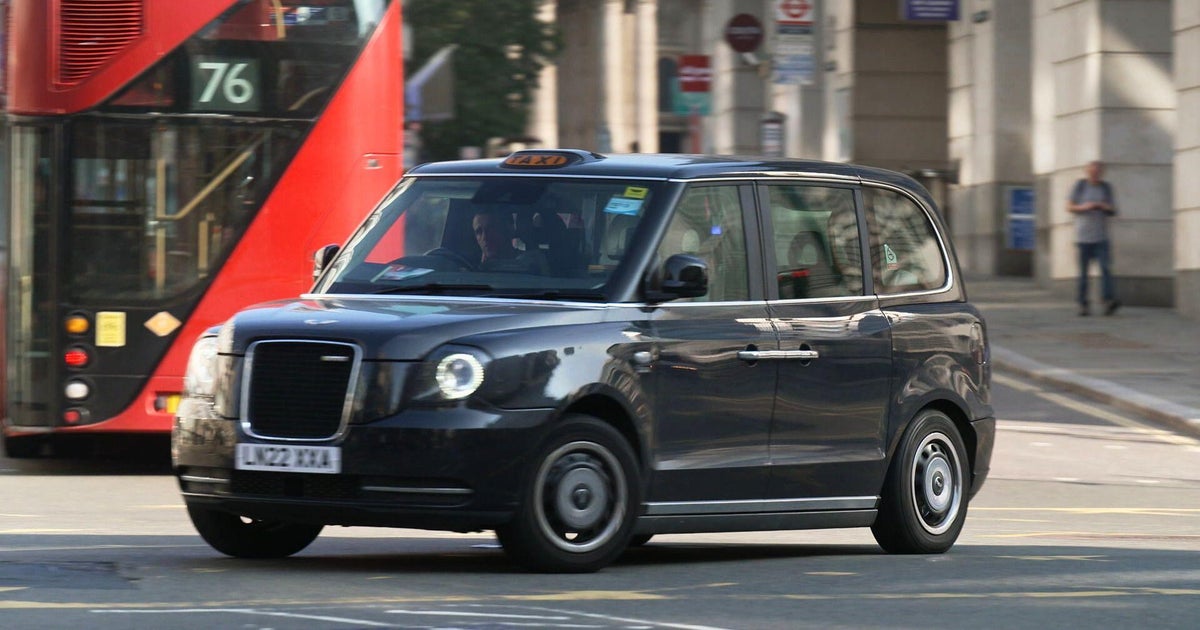
London black cab drivers face a potential long-term threat from AI-powered robotaxis as Waymo and Wayve test autonomous vehicles in the city, though the services are not yet available to the public. The article highlights pressure on the black cab industry, with driver numbers falling from 25,000 to 16,000 over the last decade and incomes hit by Uber and other ride-hailing firms. Near-term market impact is limited, but the story underscores growing competitive and regulatory challenges for traditional taxi operators.
The near-term market read-through is less about an imminent revenue shock and more about a widening probability distribution for autonomous deployment in dense, regulated urban markets. London matters because it is a high-friction proving ground: if AVs can clear this regulatory and operational bar, the commercial narrative shifts from “geo-fenced novelty” to a credible path toward premium urban ride-hailing substitution. That creates a longer-duration overhang on UBER’s take rate, city-level pricing power, and ultimately its asset-light moat, even if the first-order impact is negligible for quarters.
The second-order winner is not just the AV operators but the compute stack. Every additional mile of real-world and simulated training reinforces the capital intensity of autonomy and supports demand for accelerated inference/training hardware, which is marginally constructive for NVDA and, to a lesser extent, MSFT and GOOGL via cloud, mapping, and AI tooling. However, the market should not extrapolate London testing into near-term fleet economics: dense pedestrian environments, licensing constraints, and insurance/regulatory friction mean meaningful penetration is a years-long process, not a months-long one.
The contrarian angle is that black-cab scarcity may actually slow total substitution in the premium urban segment. Human-led service quality, curbside behavior, and customer willingness to pay for discretion still matter in irregular, high-variance routes; AVs are strongest where routing is predictable, not where “edge cases” dominate. So the base case is not a winner-take-all displacement, but a gradual margin squeeze on incumbents and a barbell outcome where compute/platform owners benefit while mobility aggregators and legacy labor-intensive operators absorb the near-term valuation discount.
Catalyst-wise, the next 3-6 months are about regulatory headlines, incident risk, and whether one of the trial operators secures a visible consumer pilot. A safety incident or permit delay would push commercialization out another 12-18 months and reduce the probability of any near-term earnings revision. Conversely, a clean, expanding pilot would pressure UBER multiple expansion and accelerate investor willingness to underwrite AV contribution earlier than consensus.
AI-powered research, real-time alerts, and portfolio analytics for institutional investors.
Request DemoOverall Sentiment
mildly negative
Sentiment Score
-0.15
Ticker Sentiment
