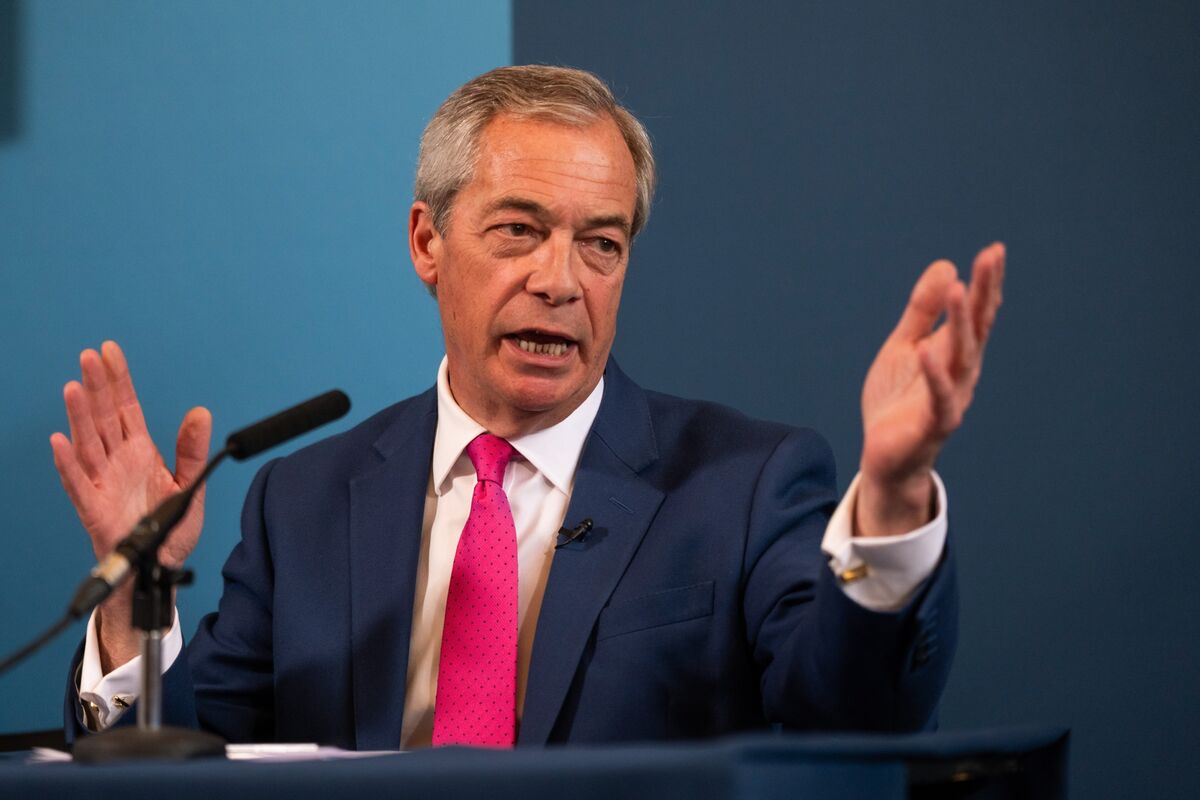
The UK parliamentary standards commissioner has opened an inquiry into whether Nigel Farage breached the House of Commons Code of Conduct by failing to declare a £5 million ($6.8 million) gift from crypto investor Christopher Harborne. Farage says the payment was a private security gift and claims an exemption from reporting rules. The story is primarily a political and governance issue, with limited direct market impact.
This is less about one politician and more about the monetization risk embedded in the UK’s fringe-populist ecosystem. The near-term market consequence is not direct economic policy, but a higher probability of internal party distraction, donor scrutiny, and campaign financing fragility for Reform-linked initiatives; that tends to reduce organizational bandwidth and increases the odds of message dilution ahead of any election cycle. If the inquiry becomes a prolonged drip of headlines, it can pressure the credibility premium that small-caps in the “anti-establishment” media/political orbit rely on for fundraising and audience growth.
The second-order winner is the compliance and reputation-defense layer around crypto capital. Any suggestion that a high-profile donor arrangement can be retroactively challenged raises the cost of opaque political giving, which may push marginal capital toward more regulated vehicles, custody providers, and exchange platforms with stronger KYC/AML branding. In contrast, the loser is the broader crypto political-advocacy thesis: the episode reinforces the perception that crypto money is politically useful but reputationally radioactive, which can slow institutional adoption at the margin even if underlying asset prices are unaffected.
The catalyst path is binary and timing-sensitive. Over days to weeks, the key risk is whether the inquiry expands from a disclosure issue into a wider ethics narrative that forces resignations, returns of funds, or party discipline; over months, the real damage would be donor hesitation and a chilling effect on future fundraising. The contrarian view is that the market may overestimate the probability of formal penalties: if the exemption argument holds, this could resolve as a process story with limited legal consequence, making the reputational impact fade faster than headline risk suggests.
AI-powered research, real-time alerts, and portfolio analytics for institutional investors.
Request DemoOverall Sentiment
mildly negative
Sentiment Score
-0.20
