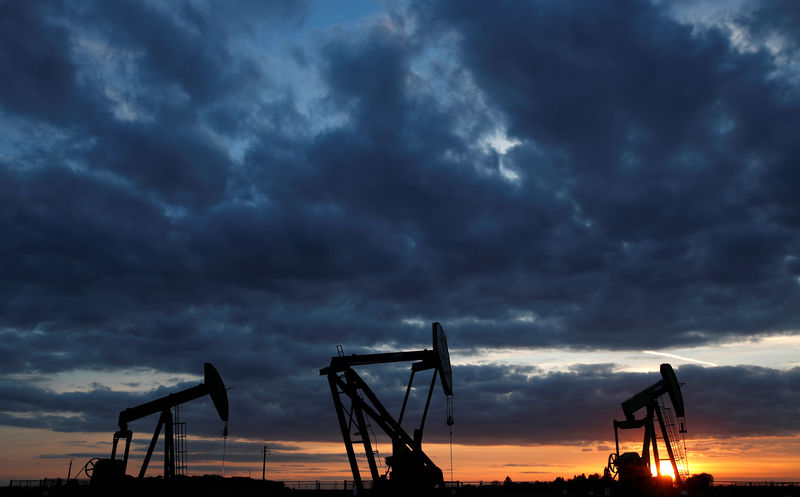
Oil prices advanced for a fourth consecutive session, with Brent and WTI futures gaining 0.7%, primarily due to escalating geopolitical tensions in the Middle East following Israel's strike on Hamas targets in Qatar, which threatens peace talks and potential supply disruptions. Further upward pressure stemmed from the prospect of increased U.S. sanctions on Russian oil buyers like India and China, as advocated by President Trump, alongside a smaller-than-anticipated OPEC+ production increase, all contributing to a tighter global supply outlook.
Crude oil prices are demonstrating sustained upward momentum, marking a fourth consecutive session of gains with both Brent and WTI futures rising approximately 0.7% to $66.92 and $62.72 per barrel, respectively. The rally is primarily fueled by a significant escalation in geopolitical risk. An Israeli strike against Hamas leadership in Doha has heightened tensions in the Middle East, threatening ongoing peace negotiations mediated by Qatar and raising the specter of broader conflict that could disrupt regional supply chains. This event alone triggered a 2% price spike before a partial retracement. Compounding this is the prospect of further constraints on Russian oil supply, as President Trump has reportedly called for the U.S. and E.U. to impose steep tariffs on major importers like India and China. This potential action, coupled with a recent smaller-than-anticipated production increase by OPEC+, points toward a tighter global supply outlook. These bullish geopolitical and supply-side factors are currently overshadowing bearish fundamental data, such as a reported 1.25 million barrel increase in U.S. crude inventories from the American Petroleum Institute.
AI-powered research, real-time alerts, and portfolio analytics for institutional investors.
Request DemoOverall Sentiment
moderately negative
Sentiment Score
-0.40
