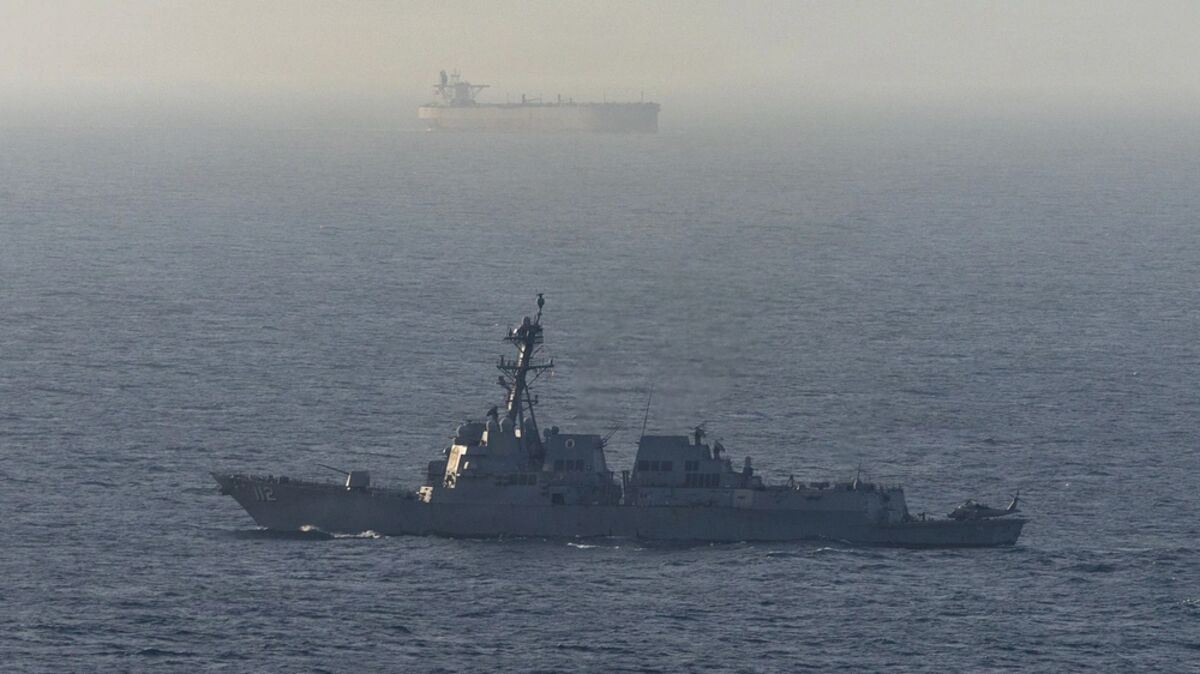
The Strait of Hormuz remains effectively closed to commercial shipping after US and Iranian forces clashed overnight near the waterway, with attacks on ships and military assets in the area. The disruption threatens a critical global energy chokepoint and raises the risk of a broader escalation that could pressure oil prices and shipping flows. The situation is highly market-sensitive given the Strait's role in worldwide crude transit.
The key market issue is not the headline supply loss alone, but the forced repricing of delivery optionality. Even a short-lived interruption in the Strait of Hormuz can cause a nonlinear jump in prompt crude, refined-product spreads, LNG freight, and tanker insurance before physical barrels are actually unavailable. That means the first winners are not just upstream producers, but also cargo holders with floating storage optionality, domestic refiners outside the Gulf, and names with direct exposure to regional shipping premia.
The second-order losers are downstream users with thin inventory buffers: airlines, chemicals, and industrials that rely on just-in-time imports will feel the squeeze first through feedstock and freight costs rather than headline crude beta. European and Asian importers are more exposed than the US because they cannot substitute quickly, while US energy producers and the SPR-linked ecosystem gain relative insulation. If the closure persists beyond a few days, expect basis blowouts in regional benchmarks and a lagged tightening in credit for commodity-sensitive transport and industrial borrowers.
The catalyst sequence matters: in the first 24-72 hours, markets will trade escalation probability; over 2-4 weeks, they will trade whether escort operations, backchannel diplomacy, or a ceasefire reopens the lane; over months, the question becomes whether shipping insurers, charterers, and national buyers permanently reroute volumes and hold more inventory. The tail risk is a miscalculation that broadens the conflict and keeps flows impaired long enough to turn a price spike into a macro shock, which would pressure risk assets broadly and force policymakers into a de-escalation push.
Consensus may be underestimating how asymmetric the response can be. A partial reopening is not enough to normalize pricing if insurers demand higher war-risk premia and shipowners require longer clearance times, so transport costs can stay elevated even after the first vessels pass. That argues for treating any relief rally in crude as fragile until trade finance and marine insurance conditions normalize, not just until the strait is physically reopened.
AI-powered research, real-time alerts, and portfolio analytics for institutional investors.
Request DemoOverall Sentiment
strongly negative
Sentiment Score
-0.70
