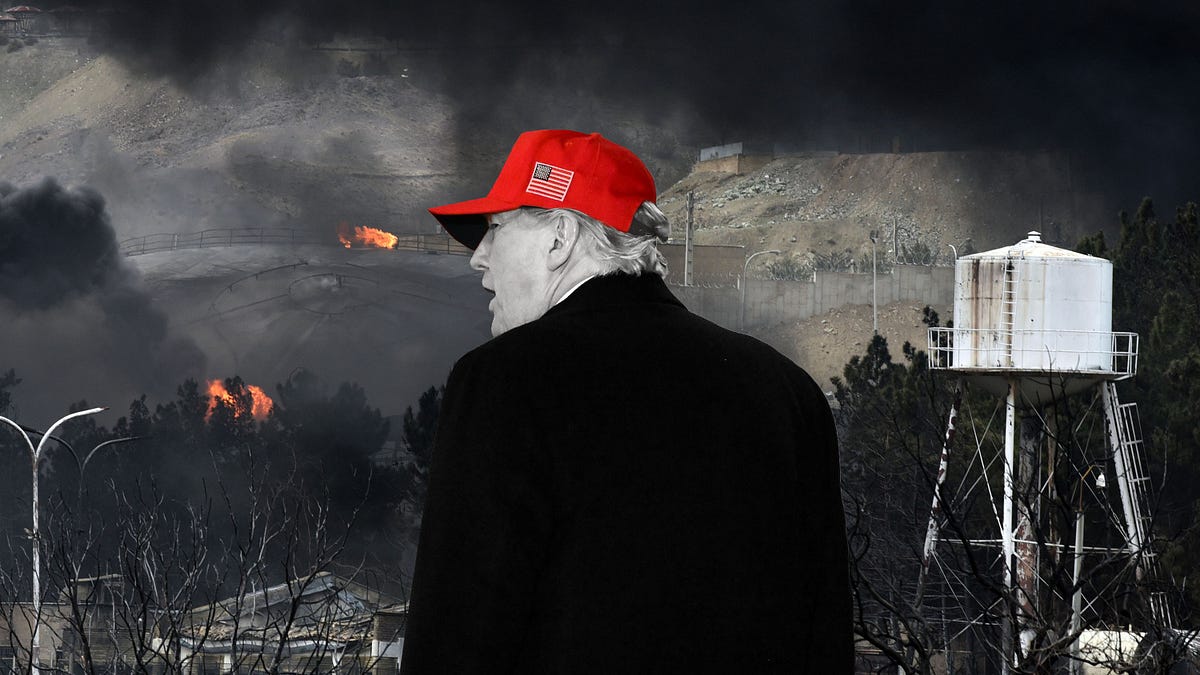
Iran has warned it will respond to recent U.S. strikes in southern Iran, while the article argues the conflict may end with sanctions relief and unclear conditions for reopening the Strait of Hormuz. The piece highlights elevated risks to Gulf oil infrastructure, shipping through Hormuz, and regional stability, with potential implications for sanctions and energy markets. It also portrays the outcome as a U.S. strategic setback that could weaken trust among allies.
The market should treat this as a volatility regime shift, not just a geopolitics headline. The first-order move is obvious energy upside, but the more durable second-order effect is higher pricing of tail risk across anything exposed to Gulf logistics: shipping, defense readiness, and non-U.S. air/sea chokepoints. If Tehran believes it can monetize intermittent disruption without triggering regime-threatening retaliation, the expected value of “managed instability” rises, which tends to keep crude risk premia sticky even if spot headlines fade.
The bigger underappreciated risk is policy asymmetry: a ceasefire that leaves sanctions relief, frozen assets, or ambiguous strait access in place effectively rewards coercive leverage. That would be bullish for sovereign risk premia in Saudi/UAE and bearish for downstream industrials in Europe and Asia that depend on predictable shipping costs. The more this looks like a win-by-disruption template, the more other sanctioned actors will test similar playbooks, which is negative for global trade efficiency over the next 3-12 months.
Consensus may be overpricing a clean de-escalation and underpricing a messy implementation phase. Even if kinetic risk drops, the real catalyst path is whether Iran can periodically threaten tanker traffic or Gulf infrastructure without a decisive response; that keeps implied volatility elevated and benefits defense, cybersecurity, and select energy names. Conversely, if Washington is forced into a visibly harder stance within weeks, some of the geopolitical premium should unwind fast, making this a good event-driven trading setup rather than a macro-duration story.
AI-powered research, real-time alerts, and portfolio analytics for institutional investors.
Request DemoOverall Sentiment
strongly negative
Sentiment Score
-0.72
Ticker Sentiment
