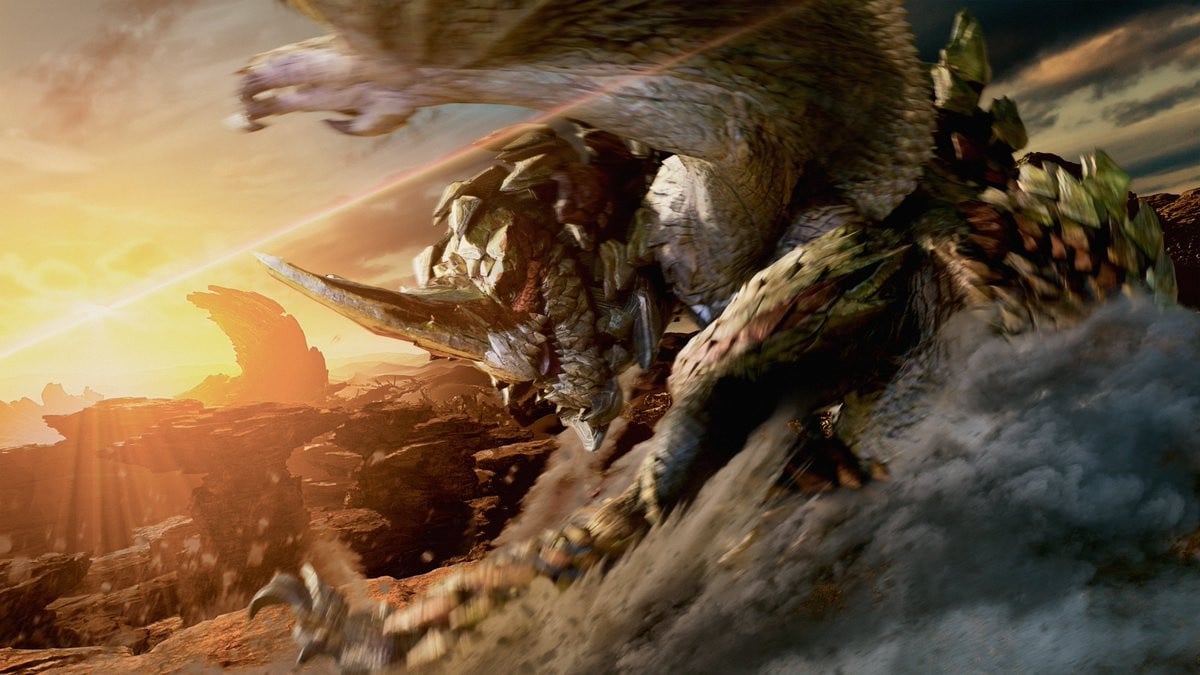
Capcom's PC release of Monster Hunter Wilds contains a performance bug in hub areas that floods the CPU with DLC presence checks when players approach the Support Desk, materially degrading frame rates on lower-end processors; a community 'Less DLC Checks' mod restored performance by roughly 11.4%, 20% and 25.6% across three tested settings. The issue is limited to specific in-game conditions rather than game-wide, but it highlights QA shortcomings for the PC port and could modestly affect user sentiment and reviews until Capcom issues a patch.
Market structure: This is a localized technical/UX issue that primarily hurts the game publisher (Capcom-like incumbents) and consumer confidence in PC ports, while benefiting modding communities and potentially Valve/Steam by exposing the ease of community fixes. Performance deltas reported (11–26% frame-rate in hub scenarios) are meaningful for low-end users but unlikely to materially change GPU/CPU replacement cycles for the broad market; estimate potential short-run sales impact on the title of <1–3% of total publisher revenue unless reviews cascade.
Risk assessment: Tail risks include a sustained reputational hit (class-action/refunds) or cascading negative reviews that depress DLC attach rates by 5–10% over 12 months—low probability but high impact. Immediate (days): mod fixes and community outrage dominate; short-term (weeks/months): Steam review score movement and official patches will determine revenue trajectory; long-term (quarters): possible higher QA spend and slower release cadence, squeezing margins by a few percentage points.
Trade implications: Favor platform/hardware providers (NVDA) over pure-play PC game publishers; NVDA demand drivers remain secular (AI/gaming) so this bug is a de minimis headwind. Tactical plays: small, time-limited options exposure to NVDA upside and targeted hedges against social-media volatility (RDDT). Entry window: act within 7–30 days to capture post-issue repricing; re-assess at 30-60 day patch/review milestones.
Contrarian angles: Consensus may overreact—community mod availability and a quick Capcom patch would neutralize most damage, making deep selloffs in publisher equities overdone. Historical parallel: isolated launch bugs (non-networked gameplay) typically produce a 5–15% transient drawdown that recovers in 1–3 quarters after fixes. Key thresholds: consider buying publisher dips if share price falls >10% and user review scores recover by >30% within 60 days.
AI-powered research, real-time alerts, and portfolio analytics for institutional investors.
Request DemoOverall Sentiment
mildly negative
Sentiment Score
-0.25
Ticker Sentiment
