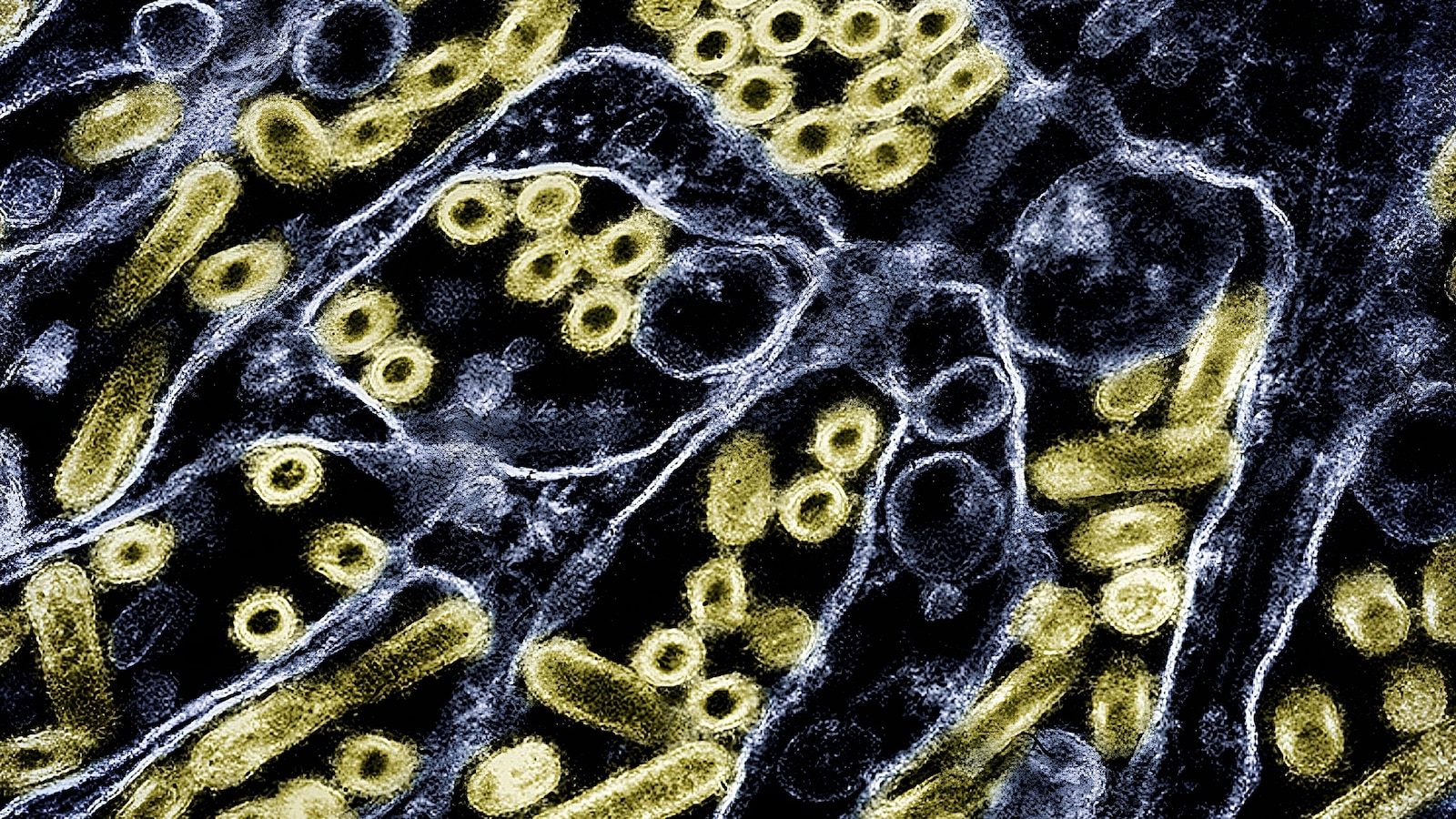
Washington state health officials confirmed the first known human infection with the H5N5 avian influenza strain resulted in the death of an older adult with underlying conditions who kept a backyard flock; officials said no other people tested positive and there is no evidence of human-to-human transmission, so public risk remains low. H5N5 has been seen in animals before but not in humans; the case comes amid a broader expansion of avian influenza into mammals and roughly 70 U.S. human H5N1 cases over the past 18 months after outbreaks that sickened millions of birds. The development reinforces the need for continued surveillance and heightened biosecurity in agriculture and could have implications for poultry supply chains and related market-sensitive sectors if animal outbreaks or spillovers accelerate.
Washington state health officials confirmed the first known human infection with the H5N5 avian influenza strain resulted in the death of an older adult with underlying health conditions who kept a backyard flock, and no additional details were released out of privacy concerns. Health authorities emphasized that H5N5 has been reported previously in animals but never in humans, and no other people exposed have tested positive.
This case arrives amid broader avian influenza activity: roughly 70 U.S. human H5N1 cases have been reported over the past 18 months and the USDA in March 2024 identified avian strains in several mammals. Most documented human cases to date were mild (red eyes, fever) though a minority were severe and there was one earlier confirmed human death in January among an older patient with comorbidities.
Public-health officials state there is currently no evidence of human-to-human transmission and assess public risk as low, but the development reinforces the need for heightened surveillance and biosecurity. The market signal is mildly negative (sentiment score -0.25) with modest market sensitivity (market_impact_score 0.28), implying limited near-term market shock but real upside risk to poultry supply chains and sectors tied to animal health if spillovers or transmission patterns change.
AI-powered research, real-time alerts, and portfolio analytics for institutional investors.
Request DemoOverall Sentiment
mildly negative
Sentiment Score
-0.25
