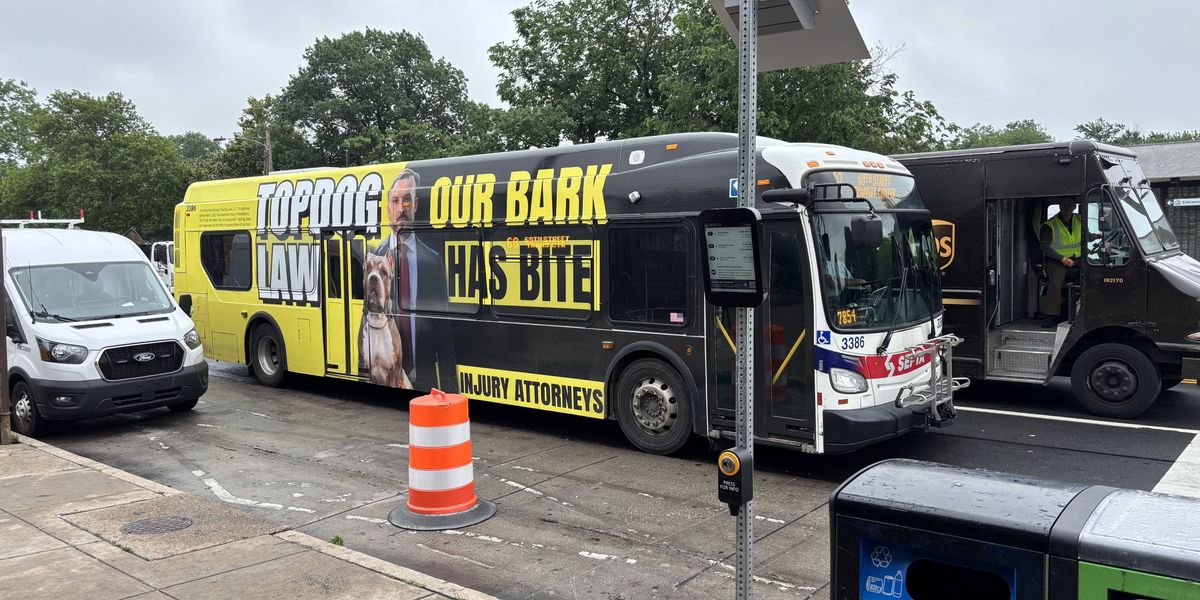
SEPTA is piloting 10 solar-powered e-paper real-time information screens at bus and trolley stops across Philadelphia and the suburbs, including Broad Street and Oregon Avenue, 40th Street Trolley Portal, and Schuylkill Avenue and JFK Boulevard. The screens provide arrival, schedule, and detour data and include text-to-speech buttons, with durability and vandalism resistance part of the pilot assessment. The update is operationally positive for rider information and accessibility, but it is routine transit infrastructure news with limited market impact.
This is a modest but real operating upgrade for transit systems: the economic value is not the screen itself, but the reduction in perceived wait risk. When riders can trust arrival data at the stop, the system captures more discretionary trips and reduces the churn of occasional users who are most sensitive to uncertainty; that matters most for off-peak and feeder routes, where a small reliability improvement can preserve fare revenue and political support. The second-order beneficiary is any vendor exposed to low-power outdoor displays, ruggedized hardware, and transit IT integration rather than traditional bus-stop infrastructure. The pilot also signals a procurement shift toward capex-light, solar-powered deployments that can be rolled out faster than full shelter builds, which should favor specialists in e-paper, edge communications, and maintenance analytics. The loser is the analog signage model and any operator whose value proposition is tied to static schedules and labor-intensive customer service. The key risk is durability and total cost of ownership. If graffiti, weather, or battery degradation drives a high maintenance burden over the next 6-12 months, agencies will revert to cheaper static or app-only solutions, which would blunt the addressable market. The contrarian view is that the market may overestimate near-term rollout scale: pilots in transit are often more about optics and grant compliance than rapid fleet-wide adoption, so any equity read-through should be treated as a multi-quarter, not immediate, monetization story.
AI-powered research, real-time alerts, and portfolio analytics for institutional investors.
Request DemoOverall Sentiment
neutral
Sentiment Score
0.15
