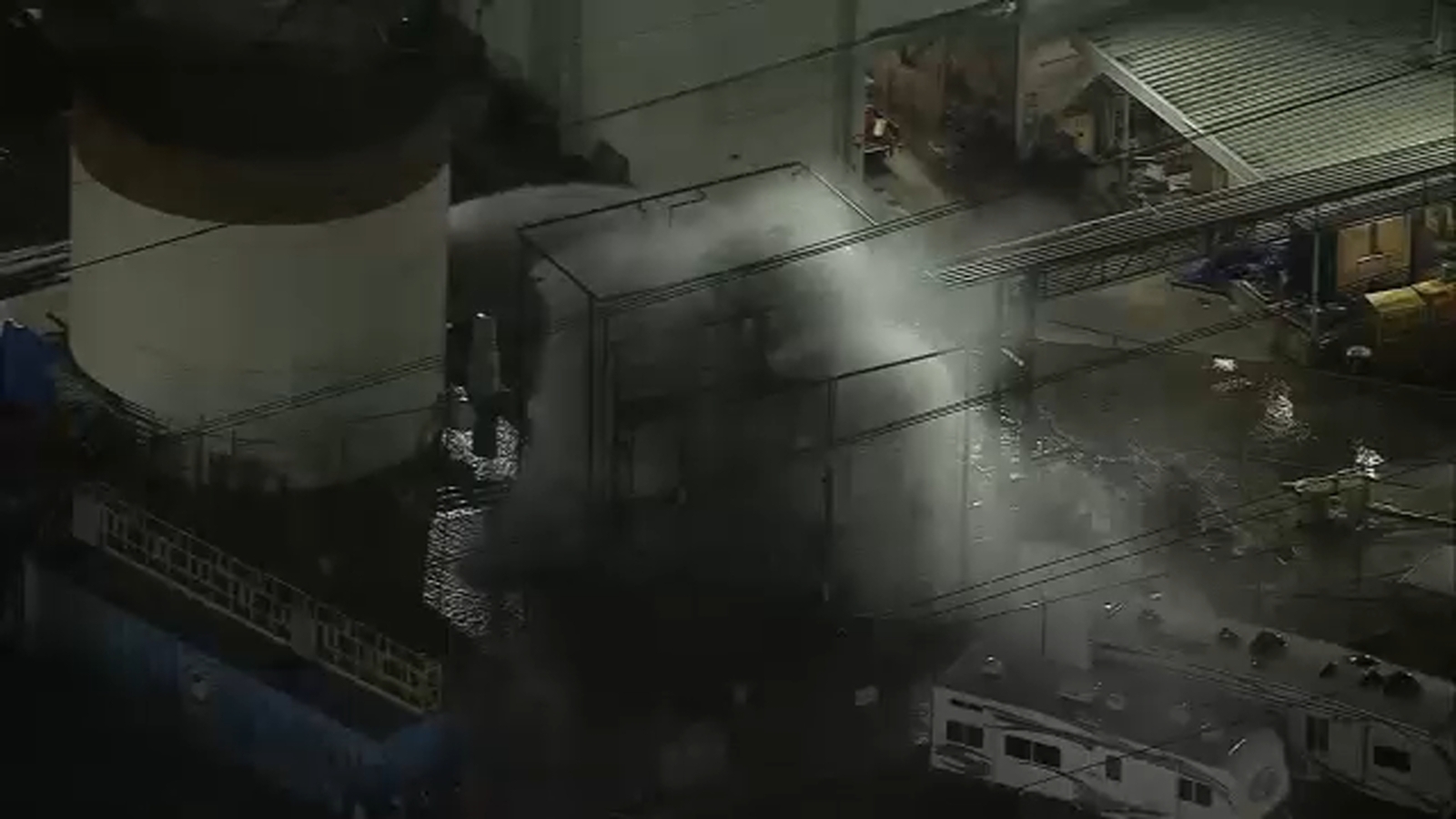
Up to 7,000 gallons of methyl methacrylate (MMA) reportedly spilled from a storage tank in Garden Grove, California, creating a hazardous leak with fire and inhalation risks. Officials said the chemical can cause respiratory distress, skin and eye irritation, and may become explosive under certain conditions; evacuation orders remain in place while crews work to contain the incident. No injuries or deaths have been reported, but the event poses localized health, safety, and containment risks.
This is less a single-asset event than a localized shock to industrial operating permission. The first-order market effect is usually contained, but the second-order risk is a tightening of safety, storage, and transport standards for hazardous organics across Southern California logistics nodes, which can raise compliance costs and slow throughput for adjacent chemical distributors, waste handlers, and specialty processors over the next 1-3 quarters.
The more interesting implication is on operational continuity: MMA is a key input for acrylics, adhesives, coatings, and certain construction/industrial applications, so any prolonged shutdown or contamination review can create short-lived shortages and spot-pricing spikes in downstream intermediates. That favors vertically integrated suppliers with diversified feedstock and multi-site production, while smaller formulators and regional distributors face margin pressure from expedited sourcing, decontamination, and insurance deductibles.
From a risk perspective, the immediate catalyst window is days, but the liability tail can last months if regulators classify the incident as evidence of inadequate containment or storage controls. The main reversal path is a rapid all-clear plus confirmation of no groundwater/air plume and no enforcement action; absent that, expect incremental scrutiny on tank farms, permitting, and emergency-response readiness, especially for firms operating older infrastructure in dense urban corridors.
Consensus may underappreciate that the economic damage often lands not on the headline chemical itself but on the surrounding industrial ecosystem: higher freight detours, temporary labor disruption, and stricter insurer underwriting can compress margins across a wider set of local operators. The event is also a reminder that rare chemical incidents can be a catalyst for capex cycles in monitoring, leak detection, and fire suppression, creating a medium-term beneficiary set even if the immediate physical event is contained.
AI-powered research, real-time alerts, and portfolio analytics for institutional investors.
Request DemoOverall Sentiment
strongly negative
Sentiment Score
-0.55
