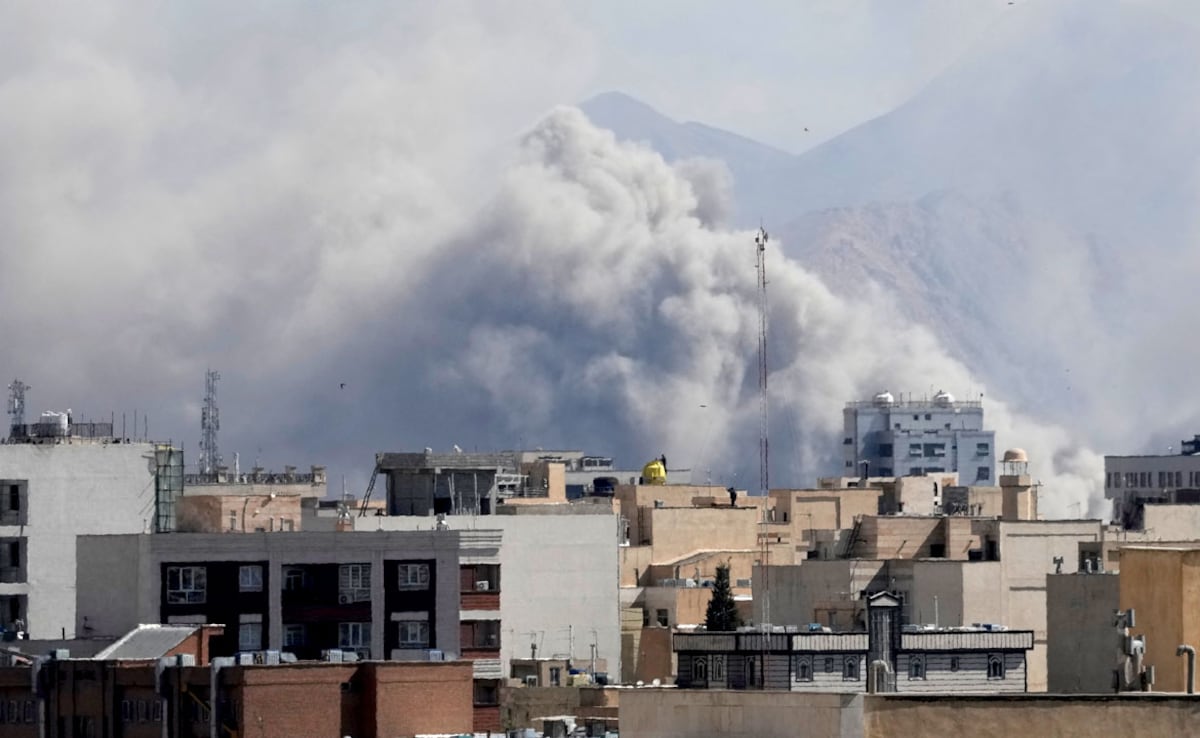
Air defence systems were activated in parts of Tehran on Thursday evening, with Iranian state media reporting hostile aerial activity and the sound of air defence firing in western Tehran. The reports mark the first such incidents since a ceasefire began, underscoring renewed geopolitical risk and potential escalation in the region. The event is likely to keep defense and risk assets on edge.
This is less a one-off headline than a signal that the ceasefire premium is fragile. The first-order move is obvious: any renewed aerial exchange raises the probability that regional risk assets stay range-bound to lower, but the second-order effect is bigger — insurers, freight, aviation, and energy logistics will start to price a higher tail-risk floor even if hostilities do not broaden. In practice, that means the market can discount a materially higher geopolitical volatility regime without needing a full-blown escalation.
The key issue is sequencing: if this is an isolated defensive episode, the market will likely fade it within days; if similar events repeat over 1-2 weeks, it becomes evidence that command-and-control is unstable and that the ceasefire is operationally reversible. That matters for asset pricing because repeated incidents force risk committees to widen scenario weights, which usually hits local-currency assets, regional credit, and any companies exposed to corridor interruptions before it shows up in headlines. The biggest hidden beneficiary is defense readiness spending, not classic war trades — systems activation implies consumption of interceptors, maintenance cycles, and inventory drawdown that can pull forward procurement demand.
Contrarian take: the market may overreact to the headline while underreacting to duration. One night of alerts is noise; recurring activation is a regime change. The right lens is not 'is war back?' but 'has the ceasefire become expensive to maintain?' If yes, the fiscal and industrial consequences can last months, with defense contractors and dual-use infrastructure names seeing a slow-burn benefit even if broader geopolitics eventually cools.
AI-powered research, real-time alerts, and portfolio analytics for institutional investors.
Request TrialOverall Sentiment
moderately negative
Sentiment Score
-0.40
