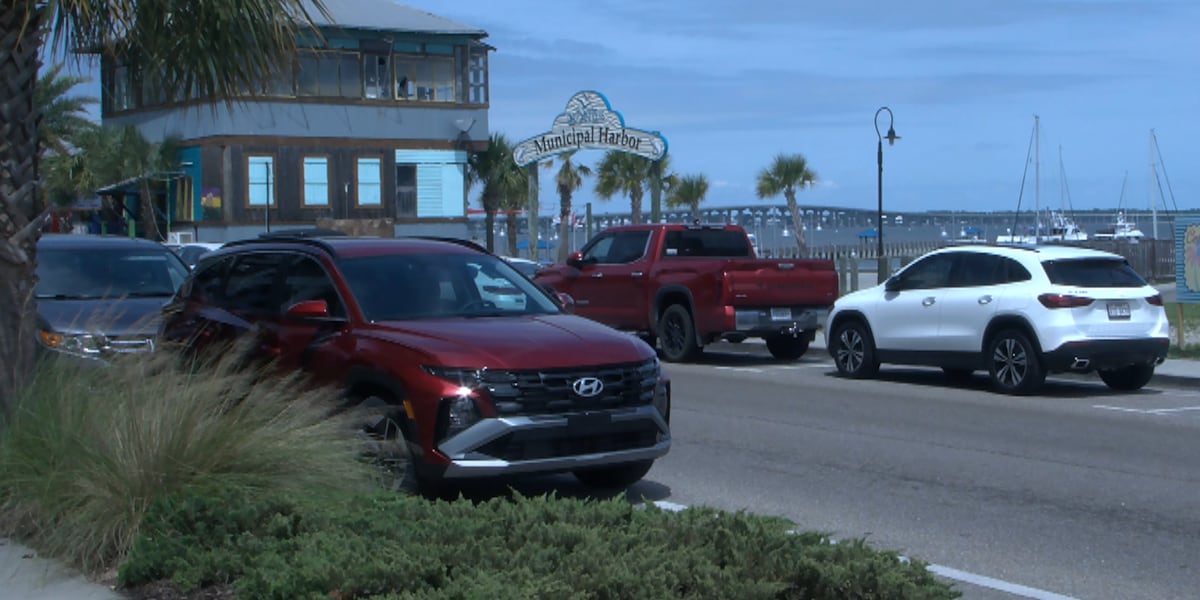
Gas prices are approaching $4 per gallon, prompting travelers to shorten trips or choose closer destinations like the Mississippi Gulf Coast. Visitors from neighboring states cited fuel costs as a key reason for selecting local, lower-cost vacations, while some are switching from driving to trains to reduce expenses. The article reflects a modest consumer headwind for discretionary travel, but its market impact is limited and localized.
This is a near-term redistribution effect, not a macro shock: higher fuel costs push demand toward shorter-radius leisure and lower-ADR drive-to destinations, which should support regional coastal operators with strong “weekendable” demand profiles while pressuring fly-to resorts and long-haul leisure demand at the margin. The second-order winner is any asset base that monetizes convenience and low fixed-cost access rather than premium experiences; that typically shows up first in occupancy resilience, then in pricing power if competitors farther away need to discount to hold traffic.
The more interesting read-through is on transportation substitution. When travelers start changing the mode of arrival, rail, bus, and airport-adjacent parking/ground transport providers can see incremental share even if total trip volume is flat. That creates a small but durable tailwind for intermodal networks serving Gulf/Southeast leisure corridors, while pure gasoline demand gets a modest elasticity hit that is likely visible within weeks, not quarters.
From a portfolio perspective, the move is too small to justify a broad macro hedge, but it is actionable as a relative-value theme inside leisure. The market often underestimates how quickly consumers re-optimize around a $0.50-$1.00/gal move: first they shorten trip length, then they switch destinations, and only later do they cancel entirely. If gas stays elevated for another 1-2 months, expect booking mix to skew further toward drive-to markets and away from higher-cost discretionary categories.
The contrarian point is that expensive fuel can be a demand filter rather than a demand destroyer. A closer, cheaper destination can actually lift utilization at regional parks, budget lodging, and local entertainment by improving value perception, even in a softer consumer backdrop. That means the right short is not “travel” broadly, but premium, distance-sensitive leisure with limited ability to reposition to drive-to traffic.
AI-powered research, real-time alerts, and portfolio analytics for institutional investors.
Request DemoOverall Sentiment
mildly negative
Sentiment Score
-0.15
