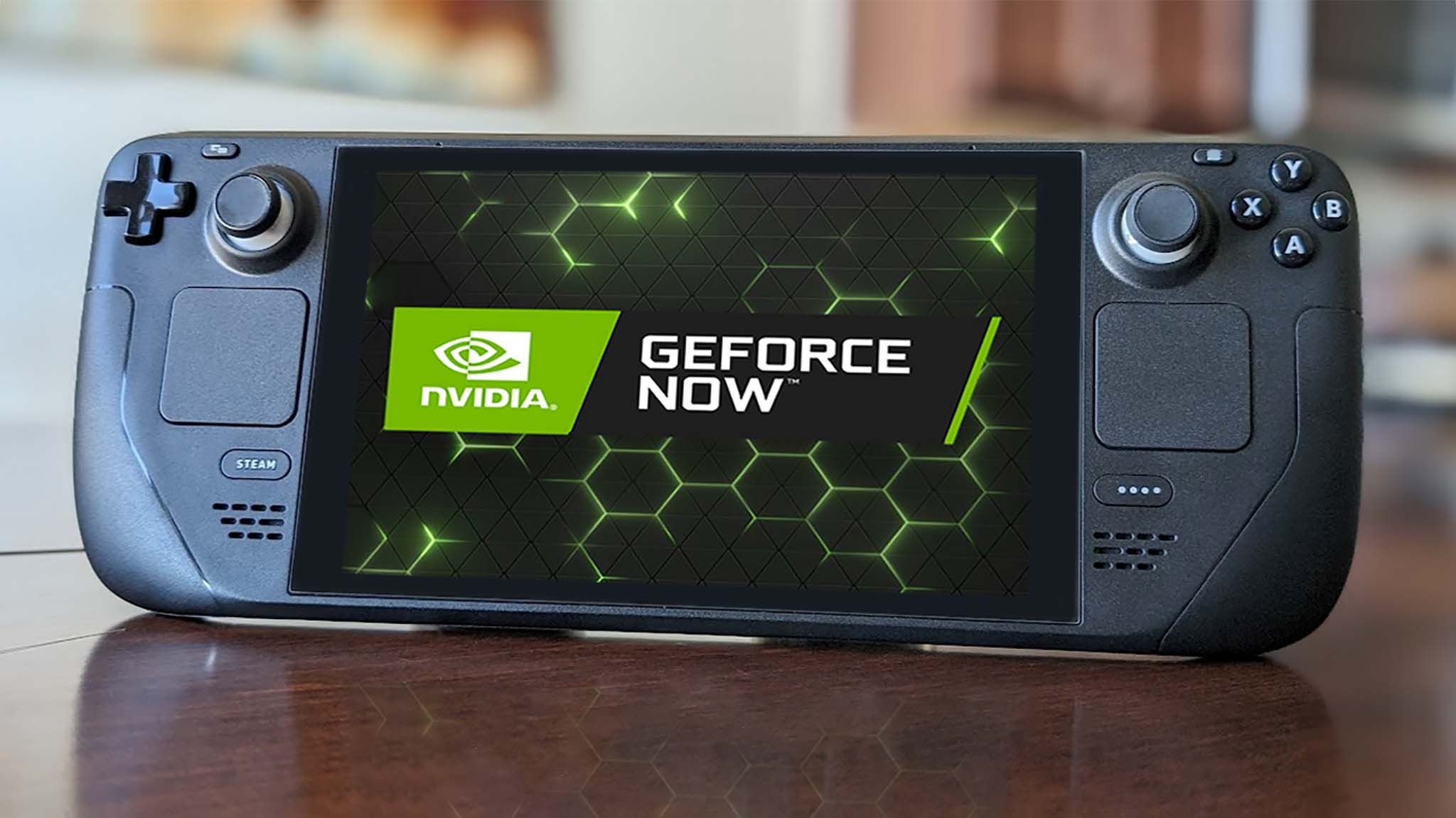
NVIDIA will enforce a 100-hour monthly playtime cap for nearly all paid GeForce Now subscribers starting January 1, 2026, with Performance (formerly Priority) at $9.99/month and Ultimate at $19.99/month; additional 15-hour top-ups cost $2.99 (Performance) or $5.99 (Ultimate), unused hours can carry over 15 hours, and long-standing Founders (pre‑March 17, 2021) remain exempt if they never cancel. The policy is positioned as a price-stability measure but arrives amid sharply higher PC component costs—notably memory constrained by AI workloads—fueling greater reliance on cloud gaming and raising concerns that time caps and micro‑payments could become industry norms, with potential competitive and consumer sentiment implications for NVIDIA and peers.
Market structure: The enforced 100-hour cap re-prices cloud gaming access and shifts marginal pricing power toward platform owners who can monetize top‑ups (Performance: $2.99/15h, Ultimate: $5.99/15h). Short-term winners include diversified cloud operators (MSFT/Azure + Xbox) that can absorb gaming demand and monetize via bundles; losers are DIY PC/retail demand and GPU/DRAM-sensitive consumer segments, which face higher upgrade costs and may delay purchases for 12–36 months.
Risk assessment: Tail risks include regulatory/consumer-protection action (class-action or EU consumer rules) and a reputational churn spike >3–5% that could offset top‑up revenue; operational risk is capacity gating that forces broader limits. Immediate (days–weeks) is sentiment volatility for NVDA; short-term (1–6 months) could show modest ARPU lift if 6% affected converts to purchases; long-term (1–3 years) is a structural shift to recurring cloud ARPU and lower incremental capex needs for providers.
Trade implications: Tactical trades should hedge NVDA downside while increasing exposure to cloud operators. Consider short-dated protective put structures on NVDA and modest long exposure to MSFT (1–2% portfolio) to capture Xbox/Game Pass and Azure tails; underweight consumer-PC hardware/retail names and rotate into software/cloud over 1–3 months. Options: use cost‑effective put spreads on NVDA for 3–6 months and sell covered calls if long to monetize elevated short-term volatility.
Contrarian angles: Consensus misses that caps can materially improve free‑cash‑flow predictability by capping worst‑case utilization and reducing incremental server spend — this could compress capex growth expectations for NVDA customers and improve valuation multiples for cloud platforms. Historical parallel: telecom data caps transitioned to stable ARPU; similar normalization could lift multiples for MSFT-like bundlers while NVDA faces transient sentiment headwinds; re-assess if GeForce Now ARPU growth >5% QoQ or churn >3% within two quarters.
AI-powered research, real-time alerts, and portfolio analytics for institutional investors.
Request DemoOverall Sentiment
moderately negative
Sentiment Score
-0.30
Ticker Sentiment
