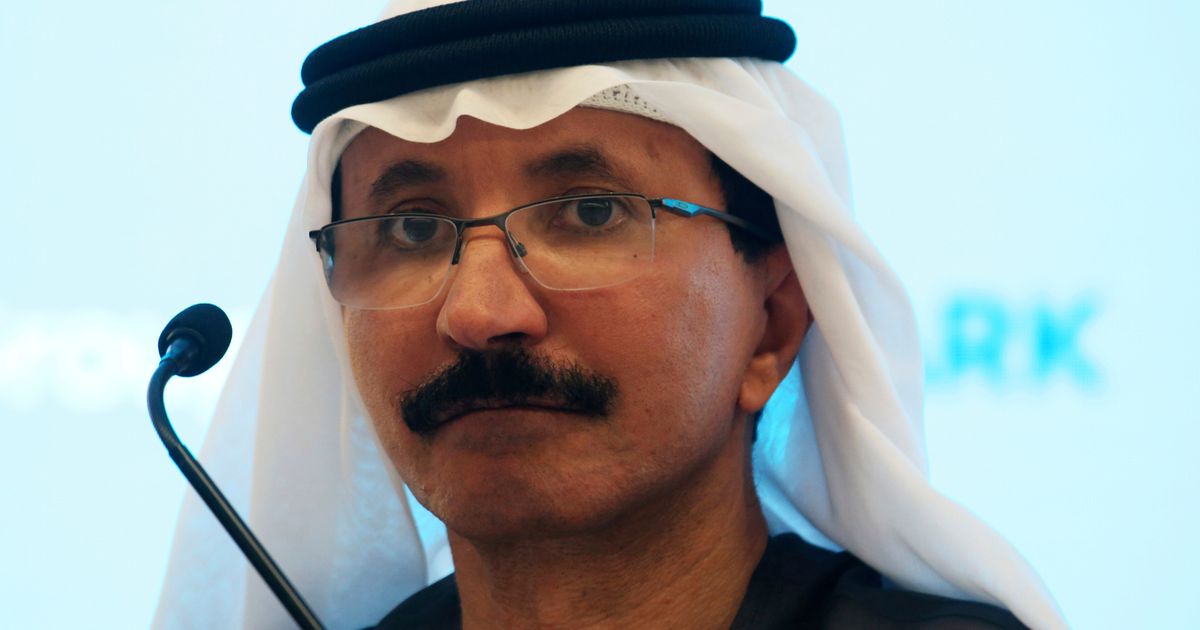
Dubai replaced DP World’s top leadership after the release of Jeffrey Epstein-related emails: Essa Kazim was named chairman and Yuvraj Narayan group CEO, positions previously held by Sultan Ahmed bin Sulayem. The personnel change follows disclosure of emails showing a long-standing friendship between bin Sulayem and Epstein and has prompted financial groups in Canada and the U.K. to pause future ventures with DP World, signaling near-term reputational and partnership risk for the port operator and potential disruptions to investor and counterparty engagement. The emails do not appear to allege criminal conduct by bin Sulayem, but the governance reset increases uncertainty for counterparties and could weigh on transaction activity and strategic partnerships in the short term.
Market structure: The immediate winners are competing terminal operators and regional ports (COSCO/1199.HK, CK Hutchison/00013.HK, A.P. Moller‑Maersk/MAERSK‑B.CO) that can capture short-term volume if counterparties pause work with DP World; expect 3–6 month incremental volume shifts of 2–6% across key trade lanes, not full reroutes because of high switching costs. Losers are DP World and any counterparties with direct contractual exposure; credit spreads on DP World‑linked debt could widen 50–200 bps if banks formally restrict services, pressuring short‑term liquidity. Cross‑asset: expect a modest risk‑off in EM credit (EMB +50–75 bps wider), a 2–4% knee‑jerk move in transport equities (IYT down), and limited FX impact (AED peg to USD keeps FX stable).
Risk assessment: Tail risks include aggressive counterparty contract terminations, Western bank de‑risking leading to operational cashflow hits, or regulatory inquiries that force asset sales — low probability but could cut EBITDA 10–30% for affected terminals over 12 months. Timeline: immediate (days) reputational flow reductions and paused financings; short (weeks–months) renegotiations and potential contract churn; long (quarters–years) state intervention or governance overhaul that likely restores volumes. Hidden dependencies: DP World’s role in Dubai’s sovereign projects and implicit state backing makes sovereign political calculus the dominant mitigant to pure commercial fallout. Key catalysts: public statements from major banks, DP World revenue updates, Dubai government support announcements.
Trade implications: Direct plays — establish a 2–3% long position in COSCO Shipping Ports (1199.HK) and CK Hutchison (00013.HK) with a 3–6 month horizon, target +8–15% on captured volumes; set stop at -8%. Hedging — buy a 3‑month IYT 5% OTM put to protect transport exposure (~0.5–1% portfolio cost) if you hold broad logistics exposure. Credit — reduce or avoid new exposure to DP World‑linked corporate bonds and increase sovereign UAE bond short‑duration bias (cut duration to <3 years) until counterparty risk is resolved.
Contrarian angles: Consensus assumes permanent lost volumes; that may be overdone because Dubai’s ruler historically backstops strategic firms — a rapid management change (already initiated) and replacement of counterparties could restore 70–90% of flows within 6–12 months, creating mean‑reversion in spreads. If DP World assets are forced into divestiture, asset sales could unlock value (possible M&A targets for global terminal operators). Unintended consequence: heavy shorting of EM transport names could create a bounce if Dubai signals liquidity support — size positions accordingly and avoid levering into knee‑jerk reputational shocks.
AI-powered research, real-time alerts, and portfolio analytics for institutional investors.
Request DemoOverall Sentiment
moderately negative
Sentiment Score
-0.35
