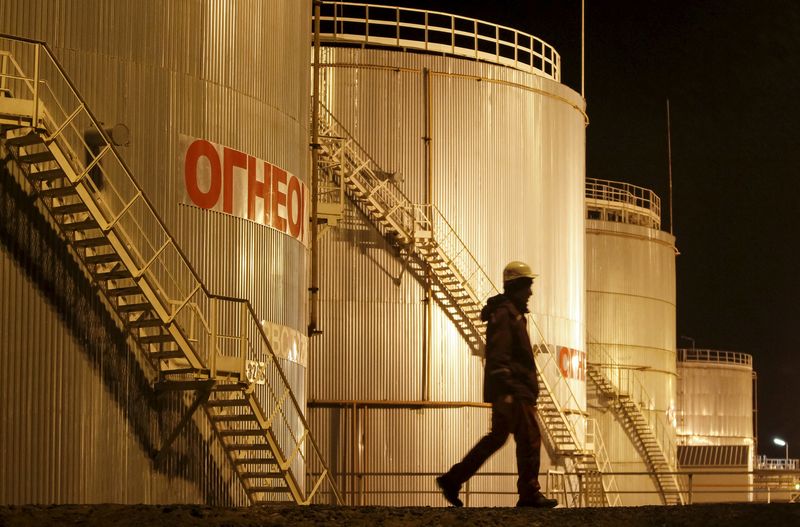
Brent crude briefly reached $100 per barrel after a more than 5% weekend surge, though Goldman Sachs says the level is in line with average pricing since the Iran war began on February 28. The article also highlights pressure in private credit markets, where higher financing costs are weighing on some consumer payments firms and alternative asset managers, with retail-exposed names such as Blackstone and Owl Rock Capital singled out. Goldman analysts noted opportunities for managers to earn higher fees and spreads by funding private credit vehicles and direct loans.
The more interesting setup is not the spot oil move itself, but the gap between headline-driven crude volatility and the slower transmission into equity cash flows. If the Strait of Hormuz risk is real, the first-order beneficiaries are levered upstream names and the second-order winners are midstream operators with export-linked volumes and limited commodity exposure; the losers are refining-heavy assets and transportation/chemicals names that will absorb input-cost pressure before they can fully reprice end demand. In other words, the market is likely to misprice duration: traders will chase the oil beta, while the cleaner trade is in businesses whose earnings inflect with sustained pricing, not one-day spikes. Goldman’s commentary on private credit matters because it suggests a parallel tightening in capital formation just as energy and commodity volatility raise working-capital needs. That combination tends to widen the moat for large balance-sheet managers and lenders that can step in when smaller financing conduits are forced to retrench. BX’s relative underperformance makes sense if retail-exposed vehicles face slower fee growth and greater spread compression, but the second-order winner could be institutional platform managers that monetize dislocation by providing rescue capital and direct lending capacity. The contrarian view is that the market may be overpricing geopolitical permanence. If shipping data normalize or diplomatic signaling improves, oil can give back most of the risk premium quickly, while high-beta energy equities will likely fade faster than the commodity because positioning is already crowded. Conversely, if crude stays elevated for several weeks, the real upside is not just to producers; it is to volatility sellers in energy-linked options, because realized vol tends to remain suppressed relative to implied once the initial shock is digested.
AI-powered research, real-time alerts, and portfolio analytics for institutional investors.
Request DemoOverall Sentiment
neutral
Sentiment Score
-0.05
Ticker Sentiment
