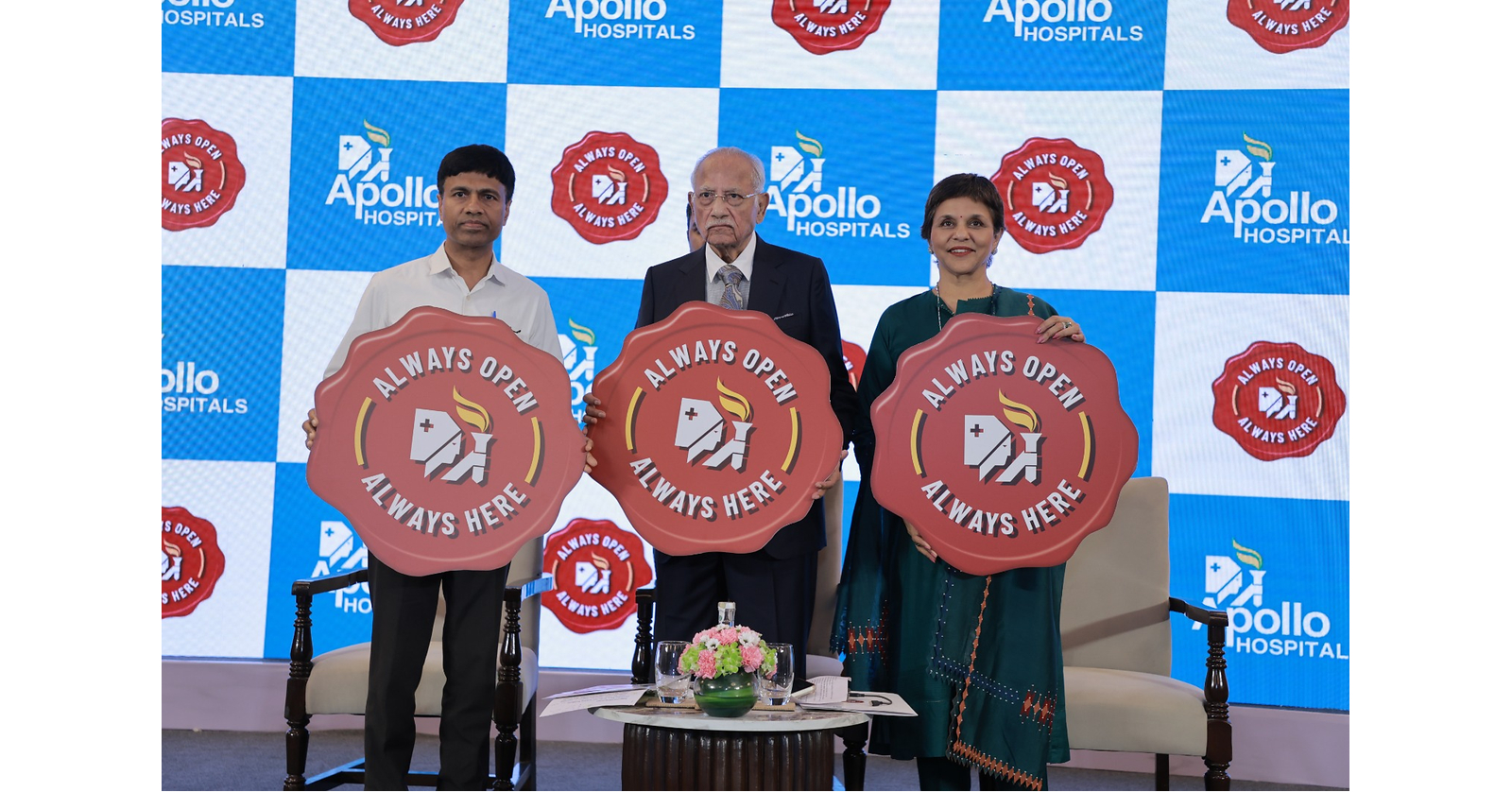
Apollo Hospitals lanzó “Siempre Abiertos. Siempre Aquí”, extendiendo consultas ambulatorias programadas, diagnósticos, chequeos preventivos y seguimiento a los domingos en su red en India (urgencias/UCI/hospitalización ya eran 24/7). La nota vincula el programa a la creciente carga de enfermedades asociadas al estilo de vida (obesidad, hipertensión, diabetes y trastornos metabólicos) y destaca el Zen Health Program para detección temprana. El artículo también menciona Apollo Prohealth, un sistema de predicción de riesgos impulsado por IA, y que el chequeo integral ha beneficiado a más de 30 millones de personas. En conjunto, es una iniciativa operativa y de acceso que debería mejorar la conveniencia del paciente, pero no aporta cifras financieras o guía que sugieran un impacto inmediato en mercado.
The economic value here is not the branding; it is the removal of scheduling friction in a market where patients often defer care until symptoms worsen. If Apollo can pull even a small share of that deferred demand into Sundays, the best incremental margin should come from diagnostics, preventive packages, and downstream procedure conversion because those functions monetize existing fixed assets with limited new capex.
The second-order winner is likely the organized-care stack around Apollo’s network: imaging, lab work, and chronic-disease management should benefit more than inpatient beds. That also creates pressure on peers such as Max Healthcare, Fortis, and Narayana Hrudayalaya to expand convenience hours, which could raise labor and coordination costs across the sector without guaranteeing equivalent volume lift. For standalone clinics and local hospitals, this is a share-grab risk if Apollo’s brand turns convenience into habit.
The key risk is that this is mostly a demand-timing shift rather than new demand, so near-term revenue uplift may be modest while overtime and staffing complexity rise. The thesis is falsified if Sunday utilization does not improve same-store outpatient volumes, preventive-package attach rates, or diagnostic throughput over the next 1-2 quarters. Contrarian view: the market may overestimate the P&L impact and underestimate the strategic moat; even a small convenience advantage can compound over 6-18 months if it changes patient habits and referral patterns.
AI-powered research, real-time alerts, and portfolio analytics for institutional investors.
Request DemoOverall Sentiment
mildly positive
Sentiment Score
0.20
