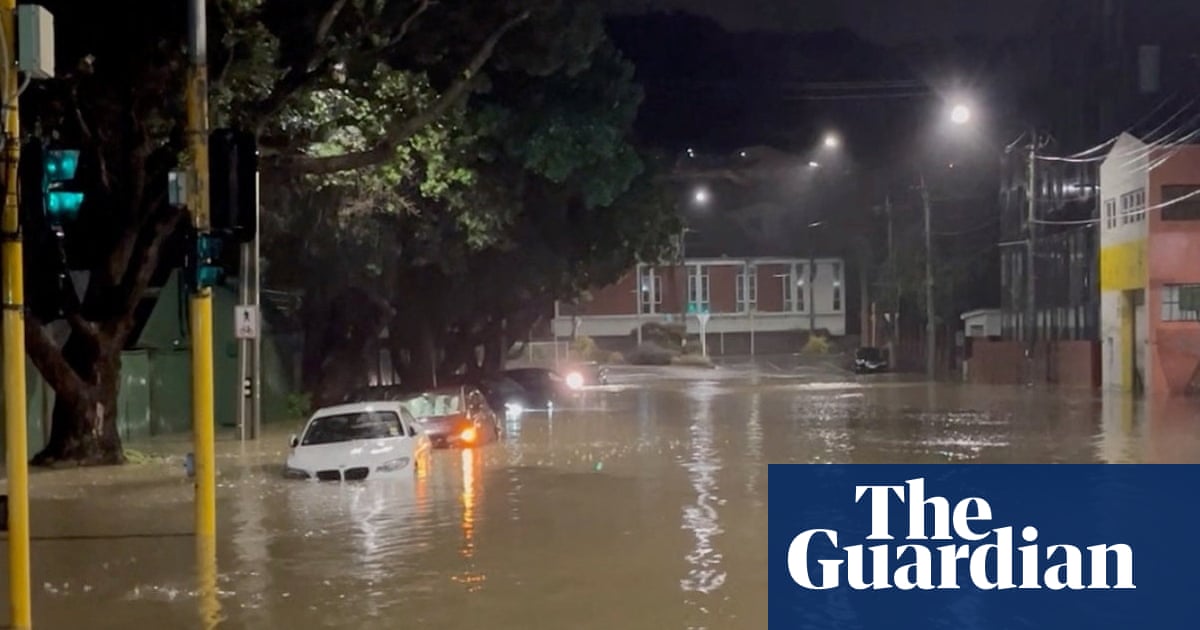
A fatal flood in Wellington, New Zealand, left one man dead after severe rainfall triggered widespread flooding, landslides, and property damage across the city. Wellington was placed under a rare state of emergency after more than 70mm of rain fell in one hour in parts of southern Wellington, the highest on record for the city. While weather warnings were lifted, hazards remain and cleanup efforts are ongoing amid continuing emergency response.
The immediate macro read-through is not “disaster risk” in the abstract, but a near-term constraint on Wellington’s functional capacity: logistics, commuting, municipal services, and small-business throughput will stay impaired for days to weeks even if rainfall eases. That creates a classic clean-up capex spike with a lagged demand hit elsewhere — insurers, remediation contractors, temporary housing providers, and materials suppliers can see a short-lived volume lift, while local retailers, landlords, and insurers absorb the first-order shock. The more important second-order effect is that repeated weather events will raise the hurdle rate on Wellington-area development and push capital toward elevated, resilient, or decentralised assets rather than lower-lying housing stock.
For equities, the most actionable angle is not a single-name trade on the event itself but a relative-value expression against insurers and real-estate-sensitive exposures. In New Zealand, the market tends to underprice tail accumulation until a series of events forces reserve strengthening or reinsurance pass-through; if this becomes part of a broader season rather than an isolated storm, the margin pressure can surface over the next 1-3 reporting cycles. Conversely, building materials and civil works names can benefit on a 1-3 month horizon from reconstruction, drainage upgrades, retaining walls, and council-led infrastructure spend — the key is that this is more repair/mitigation than greenfield growth.
The contrarian view is that the market may overestimate permanent damage to Wellington asset values if emergency response is effective and the event proves episodic rather than systemic. The real medium-term catalyst is policy: if local authorities fast-track stormwater and landslide mitigation, the spending is supportive for infrastructure contractors and can partially offset housing weakness. The biggest tail risk is a follow-on rainfall event before slopes and drainage are stabilised, which would convert a one-off loss into a multi-quarter rebuild cycle and likely force insurers to reprice coastal and hillside risk across the region.
AI-powered research, real-time alerts, and portfolio analytics for institutional investors.
Request TrialOverall Sentiment
strongly negative
Sentiment Score
-0.55
