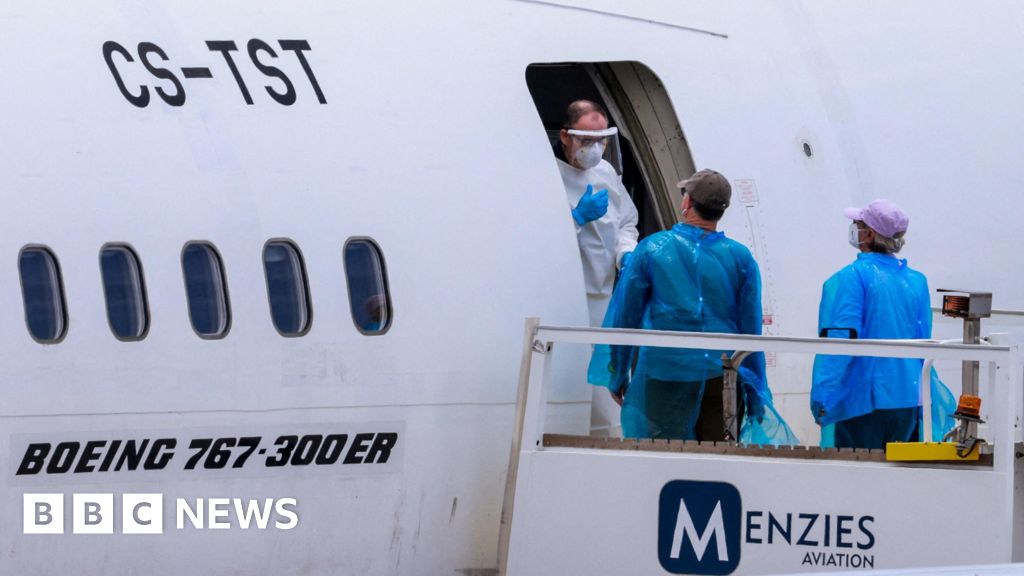
A Canadian passenger from the hantavirus-hit cruise ship MV Hondius has tested presumptively positive, bringing total infections to 11 among cruise passengers, with 3 deaths reported and 2 confirmed virus-related. The remaining five Canadians from the ship have not tested positive so far and are isolating, while health officials say the risk of a major outbreak is very low. The case is a public health setback for the cruise group, but broader market impact should be limited.
This is not a broad-market health shock; it is a localized, low-probability containment event with limited direct economic beta. The incremental impact is mostly second-order: it reinforces the premium on operators with strong outbreak protocols, medical support capabilities, and itinerary optionality, while marginally pressuring cruise-booking sentiment for expedition/remote-route products where rebooking is harder and insurance costs are higher.
The more interesting effect is reputational rather than operational. Expedition cruising relies on a customer base that is less price-sensitive but more risk-aware; a handful of headline events can widen the discount rate investors apply to future occupancy and pricing power even if near-term cancellations stay contained. That creates a setup where the market may over-penalize smaller operators or niche brands with limited fleet diversification, while larger names with better crisis management can actually gain share through perceived safety and execution quality.
The contrarian read is that the current move may be too small to matter for the sector because this is an infection-control story, not a transmission story. If public-health authorities continue to frame the event as isolated, the likely financial impact rolls off quickly; the real catalyst would be any evidence of repeated itinerary-driven outbreaks, which would turn this from a one-off into a systematic underwriting issue for insurers, port services, and expedition cruise demand over the next 1-2 quarters.
For healthcare, the signal is slightly supportive for niche diagnostic and biosurveillance spending, but not enough to move large-cap names. The key time horizon is days-to-weeks for headline risk and booking sentiment; months only matter if this becomes part of a broader pattern of travel-associated zoonotic events that forces higher insurance premiums or stricter operating constraints.
AI-powered research, real-time alerts, and portfolio analytics for institutional investors.
Request DemoOverall Sentiment
moderately negative
Sentiment Score
-0.40
