
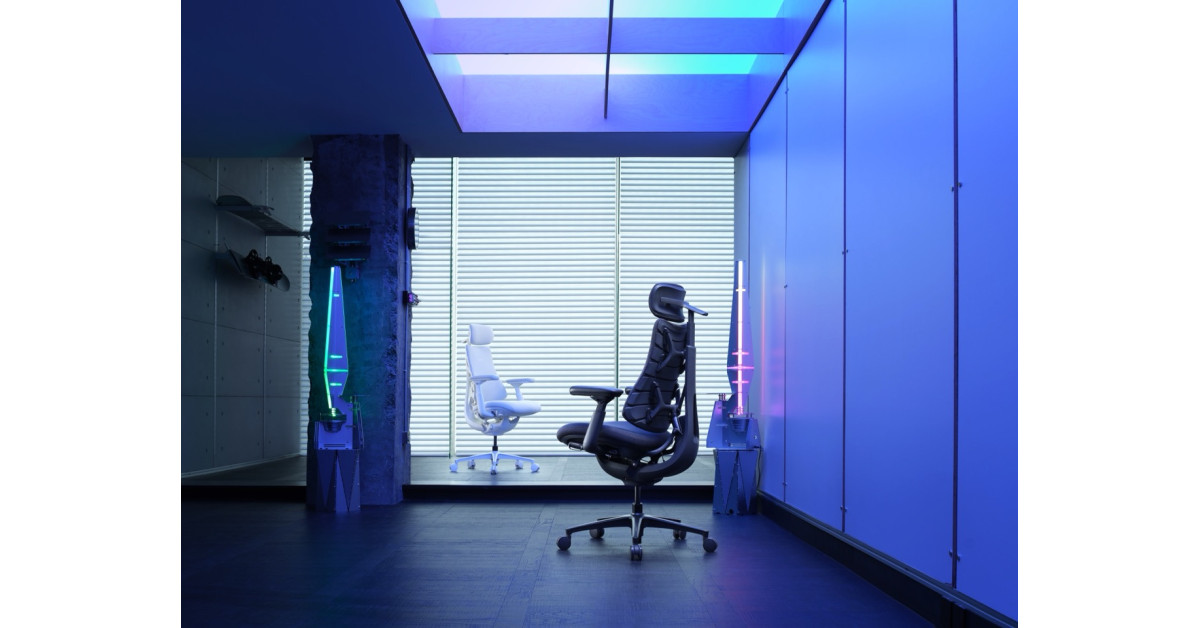
LiberNovo’s 2026 chair lineup (Omni SE, Omni Pro, Maxis) has reached one month on sale, with early-bird pricing ending July 31 (5:00 p.m. BST UK; 6:00 p.m. CEST EU). Discounts run past 40% on several configurations—for example, Omni SE from €589 (€929 reg) and £509 (£839 reg), Omni Pro from €979 (€1,669) and £849 (£1,369), and Maxis from €829 (€1,399) and £719 (€1,099). The chairs use LiberNovo’s dynamic support system with multi-stage recline/adjustment, and early user feedback cites assembly, comfort, and lumbar support.
This reads as a conversion-rate test, not a fundamental re-rating event. A time-boxed discount on a niche ergonomic product can pull forward orders and create a clean-looking near-term sales spike, but it also compresses the gross margin stack and usually biases demand toward promotion-sensitive buyers rather than durable repeat purchasers. For any listed parent or supplier tied to WWRL, the only meaningful signal is whether the launch converts into sustained shipment cadence after the discount window closes; without that, this is mostly marketing noise.
Competitive spillover is limited but not zero. If the product wins on perceived comfort at a lower entry price, the pressure is strongest on premium DTC ergonomic brands and, second-order, on incumbents in the office-furniture chain that depend on higher-ticket seating attachment sales. The likely public-market read-through is marginally negative for margin-rich premium positioning, while value-oriented players may be less exposed because the market is already crowded with discounting. I would not extrapolate early Reddit enthusiasm into a channel-opening thesis until we see verified reorder rates, return rates, and whether the company can keep ASPs intact after the launch window.
The contrarian point: this could be more interesting as a unit-economics stress test than a growth story. If the company is using launch pricing to acquire customers, then the key question is CAC payback versus warranty/return drag over the next 1-3 months. Falsifiers are straightforward: if post-July 31 sell-through remains strong at full price, or if management later discloses low return rates and improving AOV, then the market may underappreciate the brand-building value. If not, the move was likely promotional front-loading with limited 6-18 month earnings impact.
AI-powered research, real-time alerts, and portfolio analytics for institutional investors.
Request TrialOverall Sentiment
neutral
Sentiment Score
0.08
Ticker Sentiment
