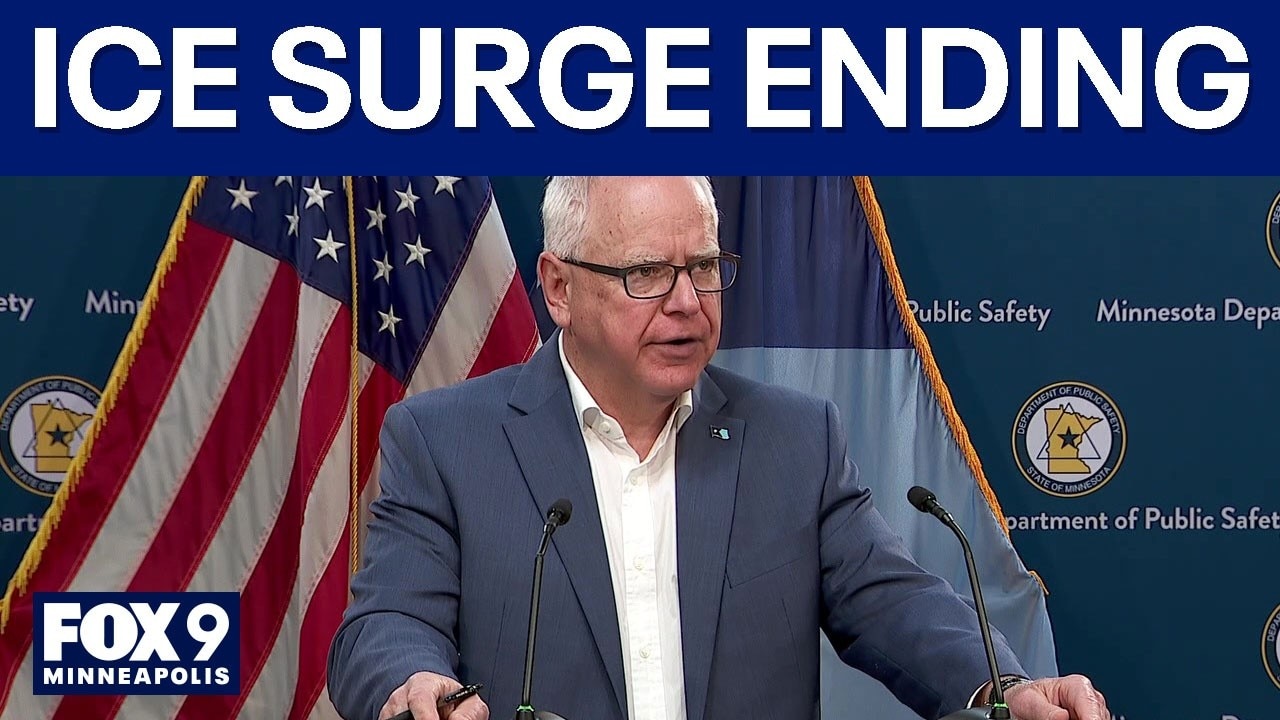
Federal Border Czar Tom Homan announced a drawdown of the ICE surge in Minnesota, with officers already departing and the pullout continuing through next week, prompting Gov. Tim Walz to press for federal reimbursement for what he calls extensive economic and social damage. Minneapolis officials estimate roughly $4.3 million in police overtime and approved $1 million in rental assistance, while bond raters are watching the city's use of fund balances; Walz is pushing to have reimbursement considered in DHS funding negotiations but warned it may not succeed. The state is prioritizing economic recovery for affected businesses and seeking accountability and answers on detained children and ongoing investigations into shootings during the surge.
Market Structure: The immediate winners are national cash-like short-duration credit (flight-to-quality) and large nationally diversified retailers/REITs; losers are Minneapolis/Hennepin County municipal issuers, small downtown retailers, and hospitality operators due to direct revenue and tax-base stress. Expect localized muni spreads to widen 10–75 bps vs national muni benchmarks over 0–3 months and increased borrowing costs for MN issuers that could push FY24 budget gaps +$50–200m for affected cities.
Risk Assessment: Tail risks include a federal refusal to reimburse (forcing state/muni cuts or tax hikes), major class-action settlements (>$100m), or a muni-rating downgrade for Minneapolis/Hennepin that triggers forced selling. Immediate (days) risk is volatility in local economic activity; short-term (weeks–months) is DHS funding negotiations and rating-agency watches; long-term (quarters) is fiscal drag on Minnesota growth and higher structural muni risk premiums.
Trade Implications: Tactical posture should be defensive: shorten muni duration, underweight MN-specific credit and regional banks with concentrated Minneapolis exposure, and overweight national logistics/essential REITs. Options can hedge via short-dated put spreads on regional-bank names or municipal bond ETFs if spreads blow out >25–30 bps.
Contrarian Angles: Consensus focuses on politics and optics; markets may overprice permanent damage. If federal reimbursement language is included in DHS funding within 30–60 days, expect a sharp ~20–40 bps snap-back in muni spreads — creating a mean-reversion trade for risk-tolerant buyers of MN paper 60–120 days out.
AI-powered research, real-time alerts, and portfolio analytics for institutional investors.
Request DemoOverall Sentiment
moderately negative
Sentiment Score
-0.30
