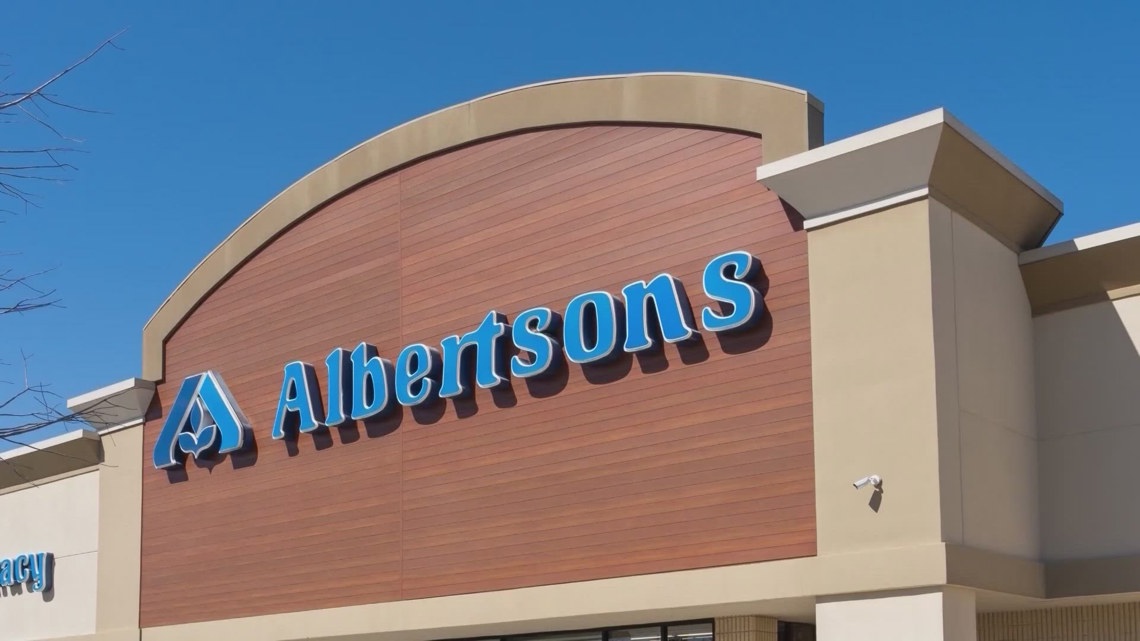
Washington sued Albertsons over alleged deceptive BOGO pricing practices, claiming shoppers were overcharged in more than 3 million transactions from October 2019 to May 2024 and that disputed sales reached as much as $19.7 million. The state seeks an injunction, restitution, civil penalties and interest. The case adds legal and reputational risk for the grocery chain, which says it disputes the claims and will fight them through the legal process.
This is more than a nuisance headline for ACI; it creates a multi-year overhang on the credibility of the value proposition that grocery private label and promotional intensity depend on. The core issue is not the absolute dollar size of the alleged overcharge, but the implied discovery risk: if regulators can substantiate a systematic pattern across a large transaction sample, then the company’s pricing architecture may need to be rewritten, compressing gross margin and reducing promo effectiveness across the Pacific Northwest banner set.
The second-order effect is competitive. If Albertsons tightens promo mechanics, shoppers who are already highly elastic on staples will likely migrate toward discounters, club, and hard-grocery formats with simpler pricing narratives. That favors operators with cleaner everyday-low-price positioning and makes it harder for ACI to lean on BOGO as a traffic driver, especially in inflation-sensitive categories where customers anchor on visible discounts. It also raises the probability of broader industry scrutiny, which could force peers to proactively simplify promotions before being targeted.
Near term, the equity risk is mostly legal headline noise, but the real catalyst is not the filing itself; it is discovery, settlement signaling, and whether the state can show a replicable methodology. If the state’s dataset is robust, settlement math could extend beyond civil penalties into restitution and operational remediation, which is more damaging because it changes the promotion engine rather than just writing a check. The bull case is that the company can frame this as a data-quality dispute and limit the issue to a narrow subset of SKUs/stores, but that only works if the AG lacks a clean price-history record.
Consensus is probably underestimating the reputational drag on traffic and basket mix. The market may treat this like a finite litigation reserve event, but if shoppers internalize that promotional pricing is unreliable, the hit can persist for quarters through lower conversion and weaker private-label penetration. That makes this a larger operational trust issue than a single legal expense line.
AI-powered research, real-time alerts, and portfolio analytics for institutional investors.
Request DemoOverall Sentiment
moderately negative
Sentiment Score
-0.40
Ticker Sentiment
