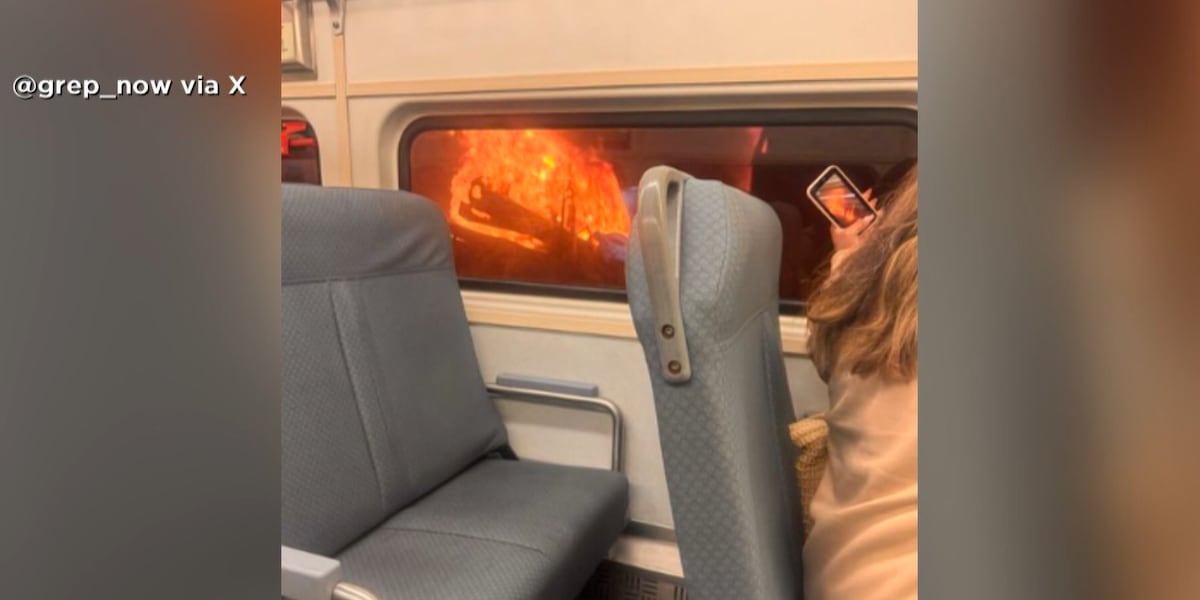
Amtrak canceled northbound Vermonter service, train 56, after a fire inside a New York tunnel shut down rail service in the area. Five rail workers were hurt, and two were taken to the hospital. The disruption affects Northeast rail operations but is likely to have limited broader market impact.
This is a micro-event operationally, but the market implication is less about Amtrak and more about the fragility of Northeast rail redundancy. A tunnel incident that forces broad corridor shutdowns highlights how concentrated the region’s passenger and freight mobility is; the second-order effect is a temporary shift of time-sensitive travelers and some high-value cargo to air, car, and intermodal trucking, which can create brief demand spikes for regional transport substitutes.
The bigger read-through is on infrastructure and maintenance capex. Events like this tend to increase political pressure for inspection, hardening, and accelerated replacement spending across aging rail assets, which supports the multi-year earnings backdrop for contractors with tunnel, signaling, and rail-electrification exposure. In the near term, though, the revenue hit to rail operators is modest; the real economic cost is service reliability, which can erode customer confidence for weeks after operations normalize.
Consensus is likely to treat this as a one-day disruption, but that may understate the reputational impact if follow-up investigations reveal deferred maintenance or broader safety issues. The tail risk is a prolonged service suspension or regulatory tightening that raises operating costs for the network. If the incident becomes a political talking point, it could accelerate funding decisions rather than penalize the sector outright, making the medium-term setup constructive for infrastructure beneficiaries even if rail operators remain tactically pressured.
AI-powered research, real-time alerts, and portfolio analytics for institutional investors.
Request TrialOverall Sentiment
moderately negative
Sentiment Score
-0.25
