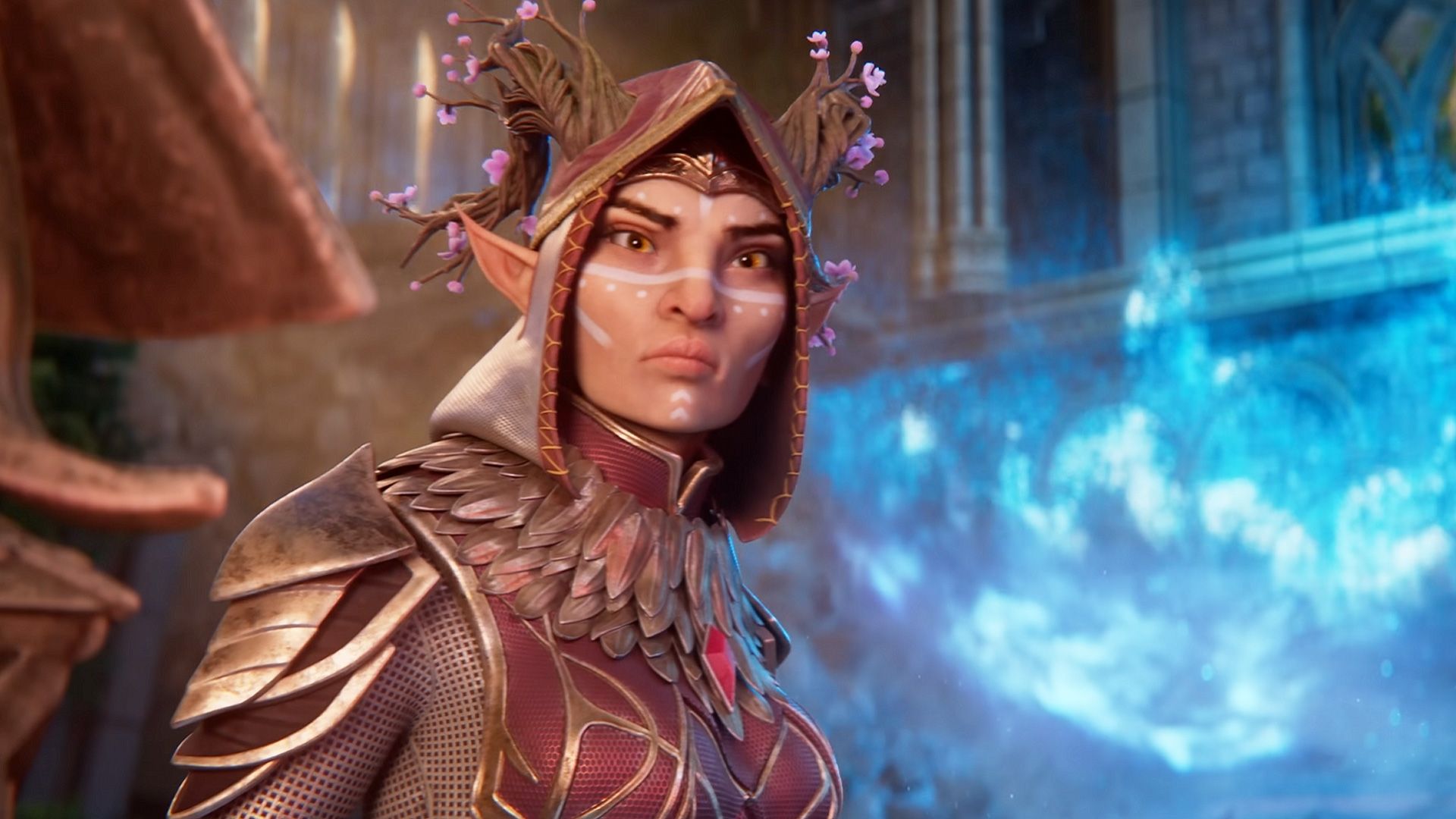
Intrepid Studios and Ashes of Creation are facing fresh allegations that founder Steven Sharif misused Kickstarter and company funds on personal expenses, including private chefs, antiques, cigars, and trading card websites, with claims of more than $12 million in unexplained outflows. Sharif denied the allegations, saying there was no misappropriation of Kickstarter funds and that the project was financed through multiple sources including personal capital. The dispute is now intertwined with a federal lawsuit and claims of wrongful foreclosure and mass layoffs, making this primarily a governance and litigation issue rather than a direct market-moving event.
This is less a game-specific story than a governance and financing stress test for a privately held, founder-controlled media/IP asset. The key market implication is that when a creator-led studio becomes a legal battlefield, the value gap usually migrates from product narrative to claims-control, employee retention, and chain-of-title certainty; that can impair future monetization even if the underlying IP remains intact. The downside is not just reputational—if the dispute drags through discovery, the company can become effectively unfinanceable, with any new capital priced as rescue capital rather than growth capital. The second-order effect is on the broader private gaming and creator-backed venture market: investors will demand tighter use-of-proceeds covenants, board visibility into related-party transactions, and cleaner segregation between operating cash and founder expenses. For late-stage studios, this raises the bar for follow-on rounds and makes publishers more selective about advance funding, especially where burn is high and revenue is community-dependent. In the near term, the most vulnerable assets are adjacent service providers, merch/licensing partners, and any platform exposure to preorders or digital goods that could face consumer chargeback or regulatory scrutiny if allegations intensify. Catalyst timing is asymmetric: headlines can keep deteriorating over days to weeks, but the real inflection comes over months as courts force document production, witness testimony, and potential injunctions. A partial reversal requires either a credible external audit, settlement with explicit asset ring-fencing, or a rapid transfer of operating control that restores confidence in capitalization and IP ownership. Absent that, the overhang likely persists into the next financing cycle and suppresses valuation multiples across similarly founder-dominated studios. Contrarianly, the market may already be discounting the obvious reputational damage while underpricing the legal-cleanup upside if the claims are overstated or unprovable. In that case, the eventual winner is not the studio itself but the parties capable of acquiring distressed assets, publishing rights, or talent at reset valuations after litigation clarifies ownership. The tradeable edge is to focus on cash-burning private media/gaming names with weak governance, not the headline story alone.
AI-powered research, real-time alerts, and portfolio analytics for institutional investors.
Request DemoOverall Sentiment
strongly negative
Sentiment Score
-0.65
