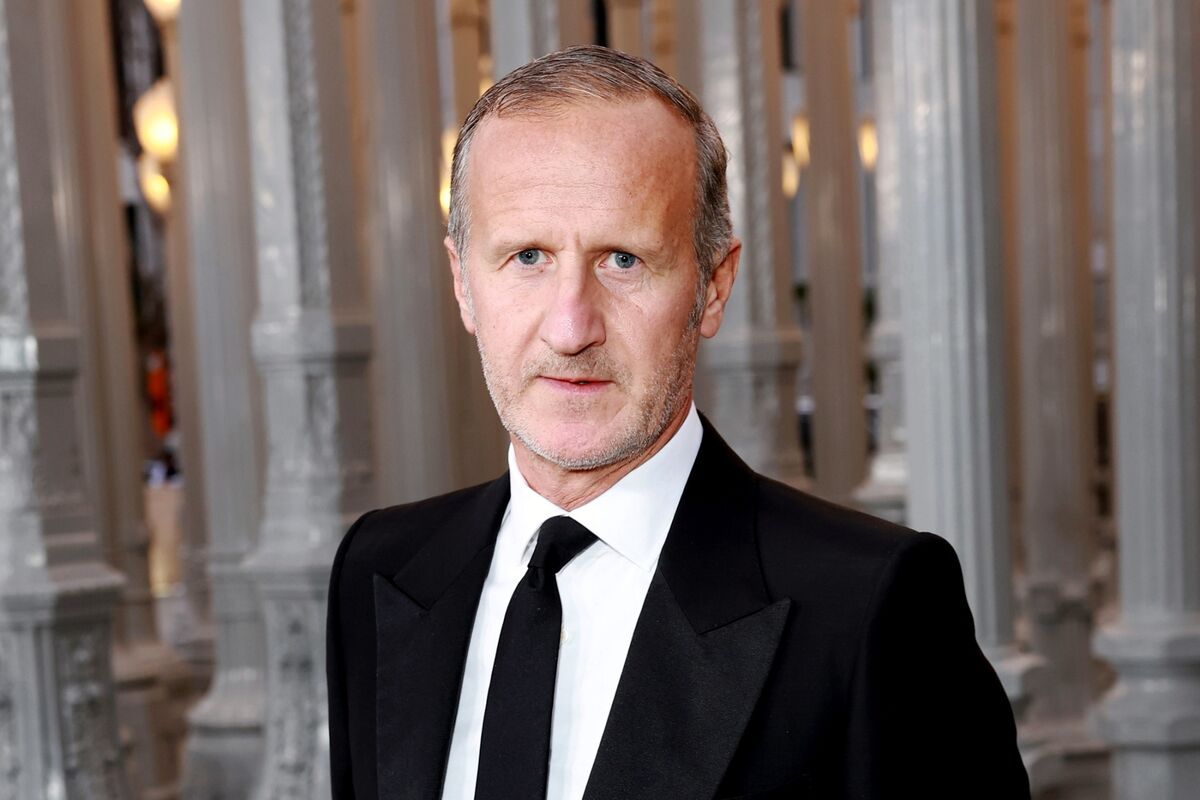
Dolce & Gabbana appointed former Gucci CEO Stefano Cantino as co-chief executive officer following the departure of co-founder Stefano Gabbana as chairman. The move signals a leadership transition at the luxury house, with Cantino bringing prior experience from Gucci and Prada. The announcement is primarily governance-related and is unlikely to have immediate market-wide impact.
This is less about a single executive hire and more about governance de-risking at a luxury platform that has historically leaned on founder-centric brand control. Bringing in a manager with deep experience at larger luxury houses should improve operating cadence in merchandising, retail execution, and capex discipline, but the real prize is succession credibility: public-market peers, lenders, and wholesale partners tend to reward clearer decision rights with lower execution discounting. The second-order winner is likely the brand’s ecosystem rather than the core house itself. If management becomes more institutional, expect better pricing discipline across suppliers, fewer ad hoc assortment swings, and a higher probability of selective store rationalization or partnership renegotiation over the next 6-18 months. That said, founder transitions often unlock internal politics before they unlock economics, so the near-term risk is a slower decision loop rather than a clean strategic reset. Competitively, the hire is a subtle positive for incumbent luxury leaders that already have professionalized governance, because it reduces the chance Dolce & Gabbana competes via impulsive discounting or brand-dilutive expansion. The contrarian angle is that this may be a stewardship move, not a growth catalyst: the market may over-assign upside to an executive import when the hardest variable is still brand heat among end consumers, which usually takes multiple seasons to change and can’t be fixed in a single management transition. Catalyst timing is medium-term. The first tell will be wholesale reorders and margin stability in the next 2-3 reporting cycles; if those do not improve, the hire was mostly cosmetic. Tail risk is an internal split between founder influence and the new CEO’s autonomy, which could create drift in strategy and slow response to fashion-cycle shifts.
AI-powered research, real-time alerts, and portfolio analytics for institutional investors.
Request DemoOverall Sentiment
neutral
Sentiment Score
0.05
