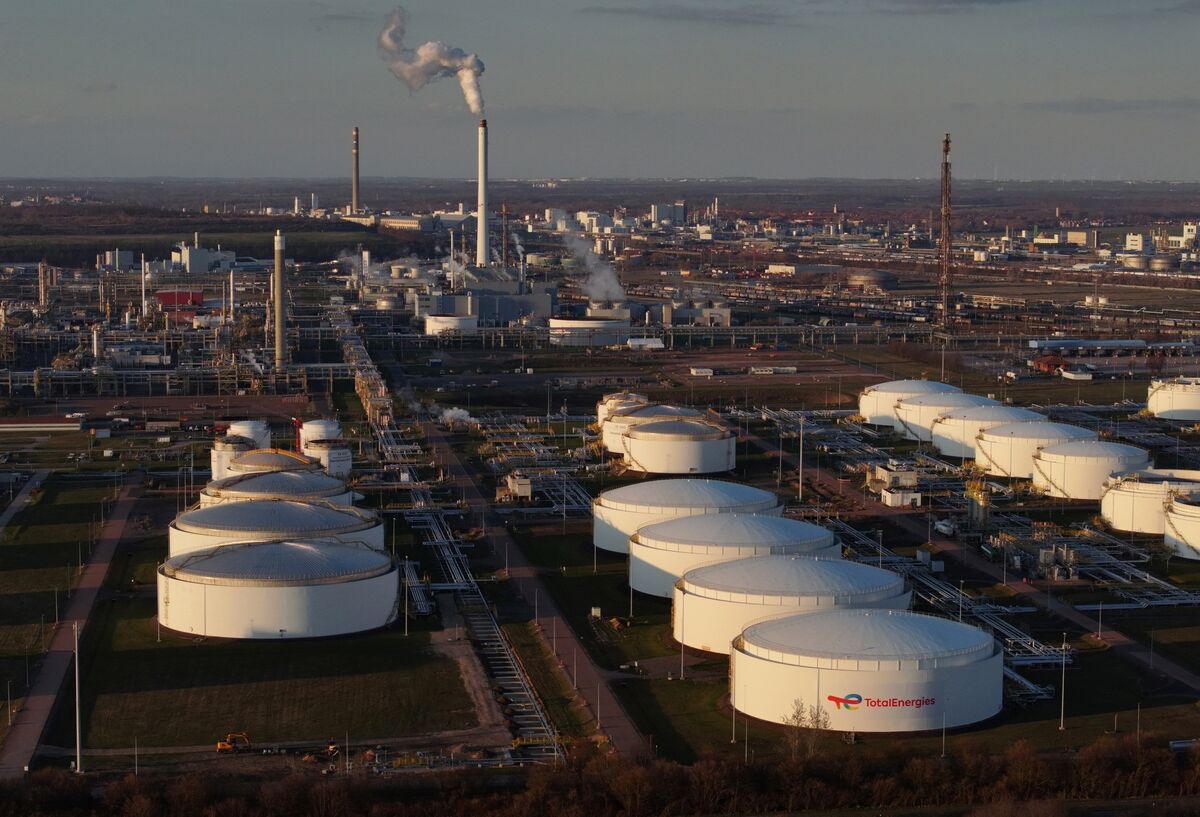
Global observed oil inventories are falling at about 4 million barrels a day in March and April, the fastest pace on record, as Iran war-related disruptions intensify. The IEA said the market will remain "severely undersupplied" until October even if the conflict ends next month, implying continued support for oil prices and heightened volatility. The agency is also coordinating emergency stock releases from major economies including the US, Japan and Germany.
The key second-order effect is not just higher crude, but a prolonged flattening of the prompt balance that rewards anyone with immediate physical optionality and punishes users with thin inventory buffers. Refiners with locked-in feedstock and export exposure should see the cleanest near-term spread expansion, while airlines, trucking, chemicals, and industrials face a lagged but material margin squeeze as input costs reprice before end-demand can adjust. The market is likely underestimating how long “emergency stock” coordination can delay visible scarcity without actually solving it, which tends to keep nearby barrels expensive even if headline prices look range-bound.
A more important signal is the duration: a supply shock that persists for months usually migrates from a commodity story into a positioning story. If inventories are already being drawn at a multi-million-barrel-per-day pace, systematic CTAs and volatility sellers will likely be forced to flip or de-risk on a sustained upward trend, creating a reflexive bid in front-end energy and related inflation hedges. That means the biggest upside may come not from the first spike, but from the second leg when desks realize there is no quick inventory normalization and start rebuilding protection.
The main reversal risks are diplomatic de-escalation, a coordinated SPR release that is larger than expected, or demand destruction from too much price pass-through into transport and petrochemicals. But those are typically weeks-to-months catalysts, whereas the inventory deficit is immediate; that asymmetry argues for owning convexity now rather than waiting for confirmation. The contrarian read is that the market may already be partially pricing a geopolitical premium, but not the operational reality of exhausted buffers and tighter prompt spreads, which is usually where the strongest tradable dislocations appear.
AI-powered research, real-time alerts, and portfolio analytics for institutional investors.
Request DemoOverall Sentiment
strongly negative
Sentiment Score
-0.65
