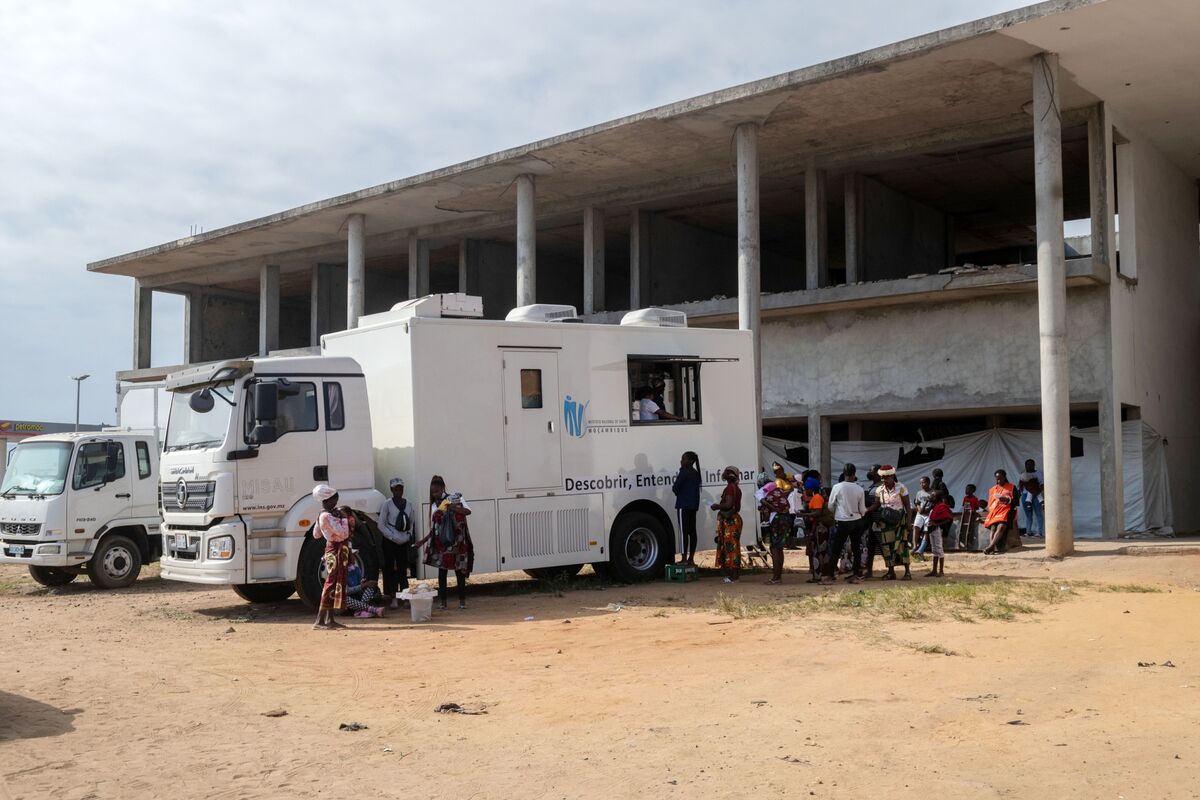
Mozambique is emerging as a key test case for the Trump administration’s faster-moving foreign aid reset, with critics warning the transition is unfolding too quickly for already fragile states. The article highlights potential disruption to healthcare systems across Africa as aid models are reshaped, creating downside risk for public health delivery and development financing. The immediate market impact appears limited, but the policy shift could matter for emerging-market risk and donor-dependent sectors.
The key second-order effect is not just funding volatility in one country; it is the fragmentation of healthcare delivery into a more donor-dependent, state-lite model. That tends to favor low-cost, scalable operators and distributors with diversified funding sources, while crushing local service providers that rely on predictable public reimbursement or NGO procurement. In the near term, the most vulnerable assets are those with high fixed costs and long working-capital cycles, because aid dislocation creates a sudden receivables gap before any clinical demand shift shows up.
This also creates a procurement re-routing effect across the region. When one large aid pipeline becomes less reliable, purchasing shifts toward parallel channels: private clinics, faith-based networks, and emergency importers that can source drugs and diagnostics faster but at worse economics. That is structurally bullish for select medtech and generic pharma wholesalers with pan-African reach, but negative for domestic public health contractors and local logistics firms tied to centralized ministry budgets.
The catalyst window is measured in months, not days. The first-order risk is service interruption and disease-control slippage, but the market-relevant tail risk is political backlash that forces either bridge financing or a partial policy reversal; that would create a sharp bounce in the most beaten-down healthcare implementers. The contrarian angle is that the transition may be messy but ultimately accelerative for private healthcare penetration, making this a medium-term formalization story rather than a pure humanitarian retrenchment narrative.
AI-powered research, real-time alerts, and portfolio analytics for institutional investors.
Request DemoOverall Sentiment
mildly negative
Sentiment Score
-0.25
