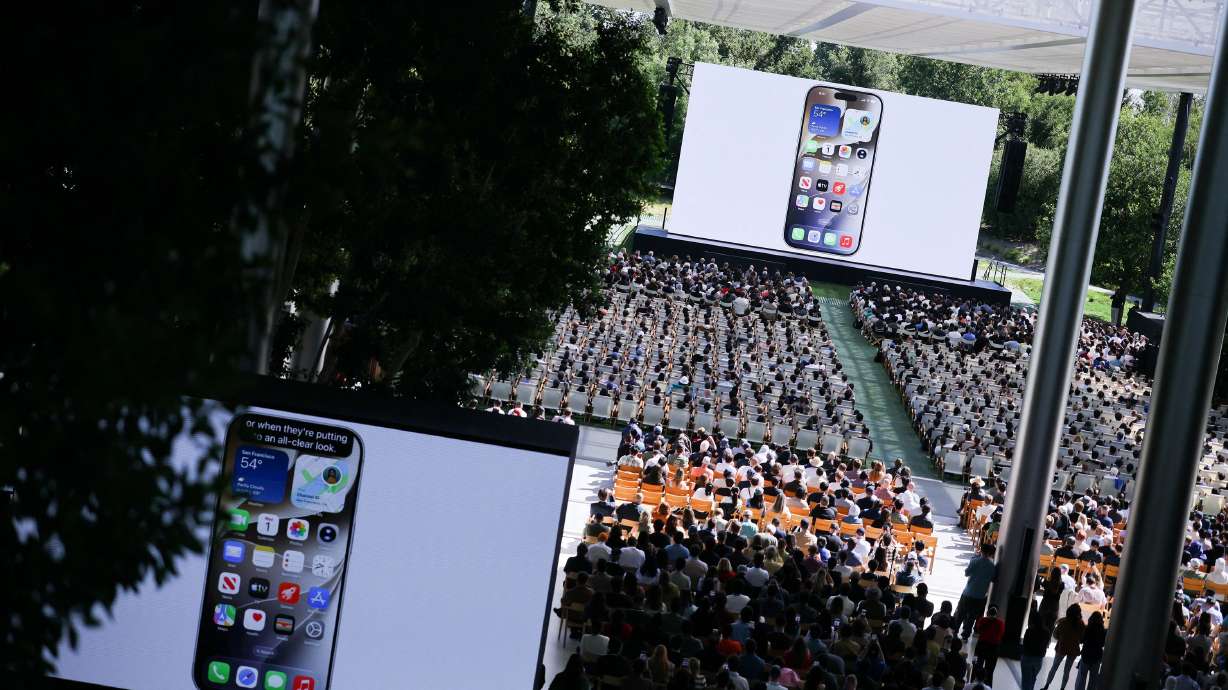
Apple announced Siri AI, a major revamp that will launch in beta later this year and add app control, screen awareness, and personal-context responses. Analysts were mixed to skeptical, with Barclays calling the update more evolutionary than revolutionary and questioning monetization, while Morgan Stanley said Apple showed clearer paths to monetizing AI. The key investor question is whether Siri AI can drive iPhone upgrades and iCloud+ subscriptions, especially since many features require newer iPhones or paid services.
The market is likely underestimating how much of this announcement is defensive rather than monetization-led. Siri AI can matter even if Apple never charges directly for it, because the real economic value is in reducing churn, extending device lifespan, and raising the switching cost of leaving iOS; that is a far more durable moat than an app-store-style revenue stream. In that sense, the near-term winner is not necessarily Apple’s topline, but its ability to protect the installed base and preserve pricing power on the premium tier.
The second-order effect is that the feature gating creates a bifurcated upgrade cycle. A meaningful slice of the installed base can run the software, but the highest-value functions are tied to newer hardware and, in some cases, subscriptions, which gives Apple optionality to segment demand without overtly “charging for AI.” That could quietly improve mix over the next 2-4 quarters even if unit demand stays flat, especially if the company uses AI features as a justification for premium SKUs rather than as a standalone purchase trigger.
The consensus risk is that investors are framing this as an AI monetization event when it is more likely a retention event. If Siri becomes good enough to make migration materially harder, the biggest loser is Android OEM share at the margin, not just Google’s assistant strategy; ecosystem inertia compounds over years, not quarters. The main reversal catalyst is execution: if the beta feels brittle, privacy constraints limit personalization, or third-party app integration disappoints, the feature could reinforce the “laggard” narrative and fail to translate into upgrade intent by the fall launch window.
AI-powered research, real-time alerts, and portfolio analytics for institutional investors.
Overall Sentiment
neutral
Sentiment Score
0.05
Ticker Sentiment
