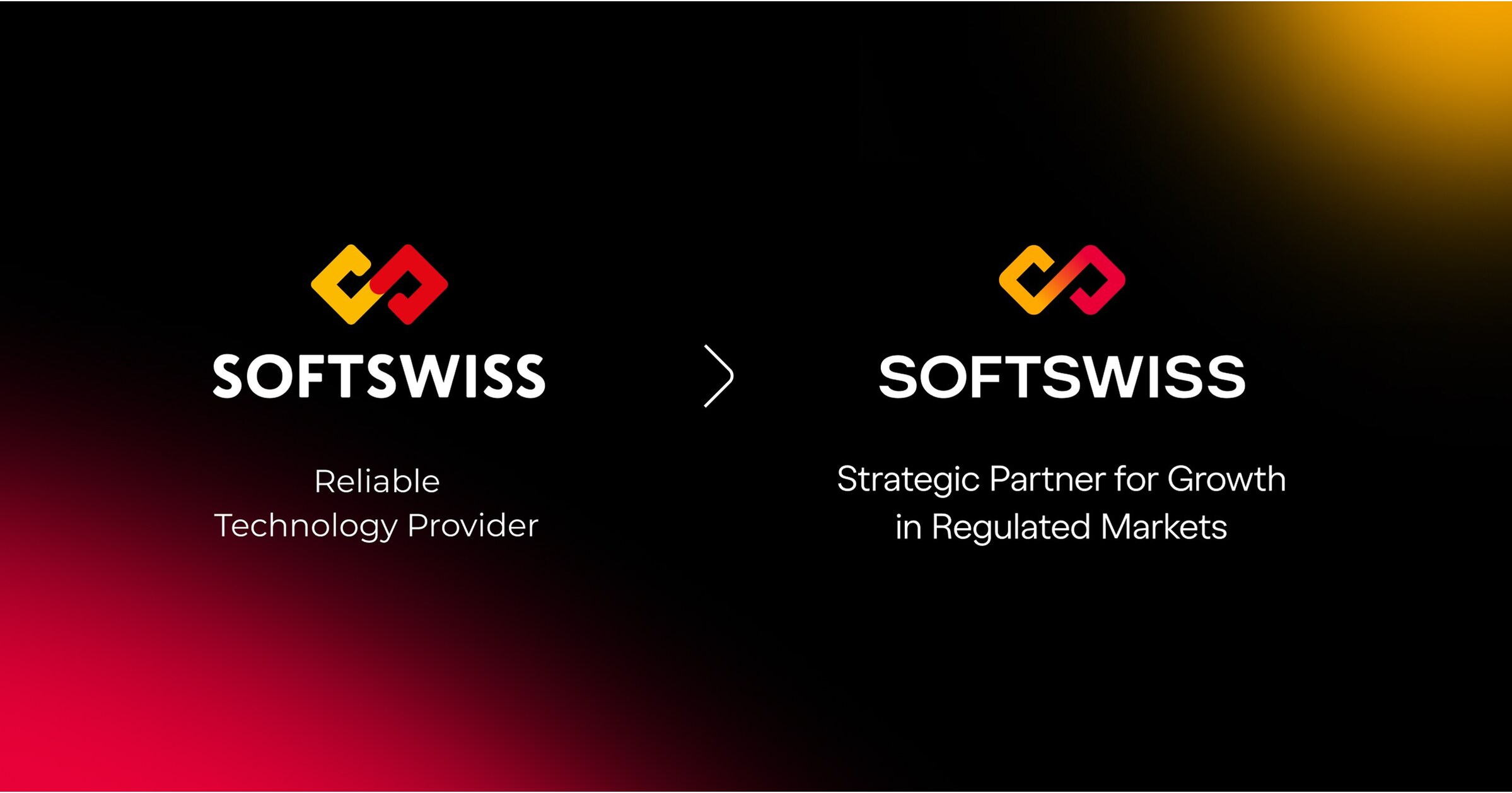
SOFTSWISS announced a new positioning and refreshed visual identity for 2026, framing itself as a broader technology and growth partner for regulated iGaming markets rather than a pure software vendor. The company cites compliance-ready products and 99.999% platform uptime over 17 years, supporting 1,500+ global brands, and highlighted the creation of a dedicated Chief Artificial Intelligence Officer (CAIO) role to advance reliability alongside AI innovation. While primarily brand/strategy focused, the move signals strengthened regulatory-market capabilities and could support continued customer wins in markets where it holds licenses across 25+ jurisdictions and works with 60+ certified brands in Brazil.
The economic signal here is not the rebrand itself; it is the admission that regulated iGaming is becoming a services-and-compliance market, not a pure software market. That shifts bargaining power toward vendors with multi-jurisdiction licenses, uptime, and operational depth, while commoditizing point solutions that compete mainly on price. For public-market read-through, that is modestly constructive for scaled regulated operators and infrastructure names like FLUT, DKNG, RSI, and some payments/KYC vendors, because integration risk and vendor churn should fall as buyers consolidate around trusted platforms.
Near term, the article is mostly sentiment-positive rather than earnings-positive. The first test is whether this positioning converts into signed launches, higher wallet share, or better retention over the next 1-3 quarters; if it only produces more services revenue, gross margin can actually compress. Over 6-18 months, Brazil and other fragmented jurisdictions should reward incumbents with real licensing breadth, but the winners will be those that can prove compliance at scale, not those that simply talk about partnership.
The contrarian issue is that AI branding and visual refreshes are often mistaken for structural growth. In this industry, AI is more likely to reduce fraud, automate compliance, and lower support costs than to materially expand TAM. Thesis is falsified if the next two earnings cycles show no acceleration in regulated-market wins or if uptime/compliance metrics deteriorate; that would indicate the moat is still promotional, not operational.
AI-powered research, real-time alerts, and portfolio analytics for institutional investors.
Request DemoOverall Sentiment
mildly positive
Sentiment Score
0.15
Ticker Sentiment
