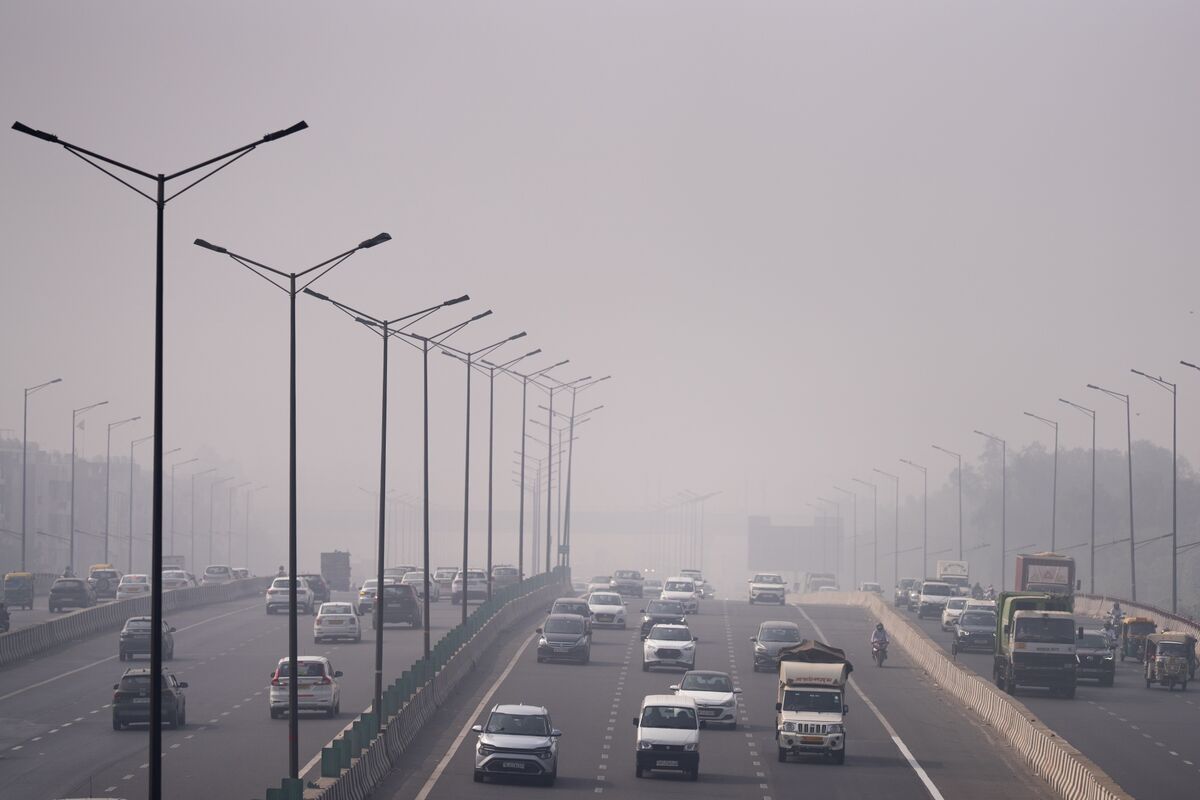
Worsening air pollution in India’s two largest cities—Delhi and Mumbai—is increasingly affecting residents and drawing policy attention, with potential knock-on effects for urban activity and consumer behavior. Separately, EV maker Ola is facing deepening troubles and is pivoting toward home battery storage, a strategic shift that may diversify revenue but raises execution and cash-flow risks for investors in its core EV business.
Market structure: Severe, chronic pollution in Delhi/Mumbai accelerates demand for indoor air solutions, EV adoption narratives and decentralized storage. Winners: rooftop/home-battery suppliers, grid-edge utilities and air-purifier makers (durable-goods); losers: short-term consumer footfall in retail/ICE two-wheelers and reputation-sensitive EV startups facing capex strain. Expect 6–36 month reallocation of capex from ICE inventory to batteries and purification equipment, pushing lithium/nickel demand +15–30% if adoption follows current urbanization trends.
Risk assessment: Tail risks include abrupt regulatory actions (city driving bans, manufacturing curbs) and subsidy reversals; a high-impact scenario is a central policy mandating ZEB zones in metros within 12 months, which could re-rate utilities/renewables and bankrupt marginal EV OEMs. Immediate (days) effects: spikes in air-purifier sales and short-term consumer avoidance of transit; short-term (months): policy & subsidy clarity; long-term (2–5 years): structural shift to distributed storage and higher raw-material prices. Hidden dependency: battery storage demand hinges on grid tariff design and cheap financing for residential systems.
Trade implications: Tactical bias to long utilities/renewables and battery-makers, short consumer auto exposure without clear EV profitability. Prefer long TATAPOWER.NS/ADANIGREEN.NS/EXIDEIND.NS exposures (6–18 month horizon) and underweight marquee ICE names (MARUTI.NS) or speculative EV startups. Options: buy 9–12 month calls on ADANIGREEN.NS and TATAPOWER.NS to capture policy-driven re-rating while selling near-term covered calls to finance carry if volatility falls.
Contrarian angles: Consensus focuses on EV vehicles; markets underappreciate distributed storage + air-quality hardware as a multi-year revenue stream — a lower-capital, faster-ROI play than vehicle manufacturing. Reaction may be overdone for integrated incumbents (Tata Motors, Mahindra) with credible EV roadmaps — avoid broad shorting of large-cap auto names. Historical parallel: China’s 2013–2018 pollution-driven subsidy cycle that favored rooftop/storage and mining; unintended consequence: higher short-term coal burn if storage charges from dirty grids, which could hurt pure-play green names without hedges.
AI-powered research, real-time alerts, and portfolio analytics for institutional investors.
Request DemoOverall Sentiment
moderately negative
Sentiment Score
-0.40
