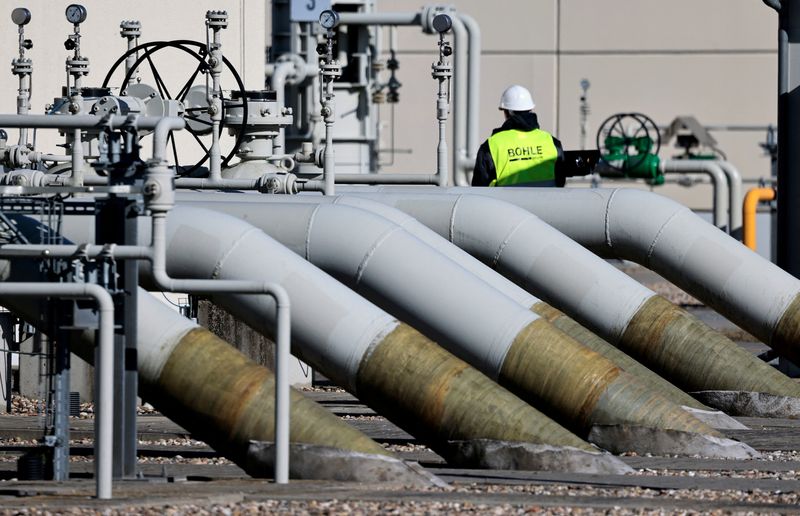
European natural gas prices rose 0.9% to 44.83 euros/MWh as investors weighed the ongoing blockage of the Strait of Hormuz and stalled U.S.-Iran peace talks. The article highlights supply risks from disrupted flows through a key route for roughly 20% of global oil and LNG, plus attacks on production facilities in the Persian Gulf. Additional upside pressure could come from weaker wind generation in Europe and an LNG strike in Australia, keeping energy markets tight and volatile.
The market is treating this as a localized commodity shock, but the second-order effect is a volatility regime shift: when a shipping chokepoint and LNG infrastructure risk sit on top of weather-sensitive European gas demand, front-end pricing can overshoot fundamentals for weeks before supply actually tightens. That tends to widen the spread between winners with contractual/physical flexibility and losers exposed to spot-indexed procurement, especially utilities, industrials, and gas-intensive chemicals in Europe. The most important part is that this is not just an energy story — higher gas prices can ripple into power, fertilizer, and freight costs, creating a delayed margin squeeze into Q3 even if headline inflation data stays calm for a few prints.
The key catalyst window is 1-4 weeks, not months: any confirmation that wind output disappoints, an LNG outage persists, or Strait disruptions deepen would keep the front month bid, while a credible de-escalation would likely unwind the risk premium fast because positioning is likely crowded and event-driven. The contrarian view is that the market may be overestimating the durability of the supply interruption and underestimating policy response: Europe can partially substitute via storage withdrawal, demand curtailment, and fuel switching, which caps upside beyond the next few weekly cycles unless the shipping risk broadens materially. That makes the current move more attractive as a tactical volatility expression than as a directional long-duration energy thesis.
ICE is indirectly important here because higher energy and geopolitical uncertainty typically lift trading volumes and derivative hedging demand; the listed-derivatives franchise should see better activity even if it does not get a direct commodity beta. The more interesting relative value is inside European equities: beneficiaries are LNG-linked infrastructure, US Gulf exporters with spare capacity, and select energy traders; losers are European utilities with weak pass-through and transport operators with thin fuel hedges. The real mispricing risk is that investors chase the obvious commodity rally while ignoring the lagged earnings pressure on downstream users and the potential for policy headlines to reverse the trade abruptly.
AI-powered research, real-time alerts, and portfolio analytics for institutional investors.
Request TrialOverall Sentiment
mildly negative
Sentiment Score
-0.15
Ticker Sentiment
