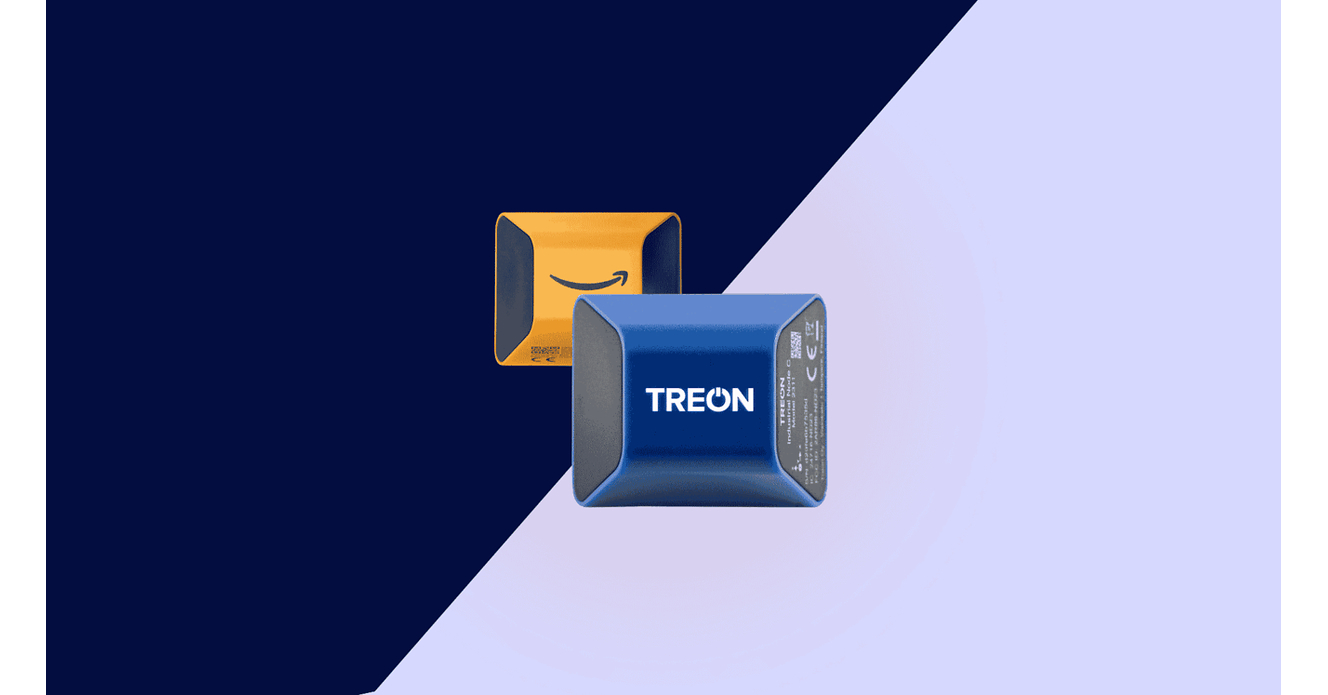
Treon Flow annonce une transition « fluide » pour les utilisateurs d’Amazon Monitron afin d’évoluer vers une maintenance prédictive basée sur l’IA, avec des abonnements à tarif réduit et un parcours de migration simplifié. Le texte met en avant un historique d’impact d’Amazon Monitron (≈70% de réduction des arrêts imprévus et ~7 300 problèmes d’équipement évités sur 88 sites en 18 mois). Aucune information chiffrée de performance propre à Treon Flow au-delà de la proposition produit n’est fournie, mais l’annonce est orientée vers une amélioration de la détection des pannes et de l’efficacité de maintenance.
This reads less like a product launch than a channel-reassignment event: the economically relevant asset is not the sensor box, but the installed workflow and renewal relationship around it. That means the real question for public markets is whether Amazon has proven demand capture in industrial IoT or merely seeded an ecosystem that third parties can now monetize; the latter is more consistent with the structure of the announcement. For AMZN, the direct financial impact is likely immaterial, but it does reinforce that Amazon’s moat in this niche is not exclusive hardware ownership.
The second-order winner is the industrial software/service layer that can sit above mixed hardware fleets. If migration is genuinely low-friction, customers will become more open to vendor-neutral predictive-maintenance stacks, which favors automation incumbents and integrators with broad service footprints over single-purpose point solutions. The loser, in relative terms, is any company trying to defend a closed, proprietary installed base; once conversion costs fall, pricing power tends to migrate to the orchestration layer, not the sensor layer.
Near term, the catalyst is customer conversion quality over the next 1-3 quarters, not the press release itself. The key falsifier is churn: if users hesitate to migrate or require heavy implementation support, then the story is more marketing than scalable substitution. Over 6-18 months, the structural implication is that warehouse operators may standardize on subscription-based uptime services, which is incremental bullishness for industrial automation but not enough on its own to move AMZN.
The contrarian view is that the market may overread this as Amazon backing away from industrial tech; a more likely interpretation is disciplined partner-led monetization of a niche where Amazon never had the best specialty economics. In other words, this is probably a modest ecosystem reshuffle, not a strategic retreat or a meaningful earnings event.
AI-powered research, real-time alerts, and portfolio analytics for institutional investors.
Request DemoOverall Sentiment
mildly positive
Sentiment Score
0.20
Ticker Sentiment
