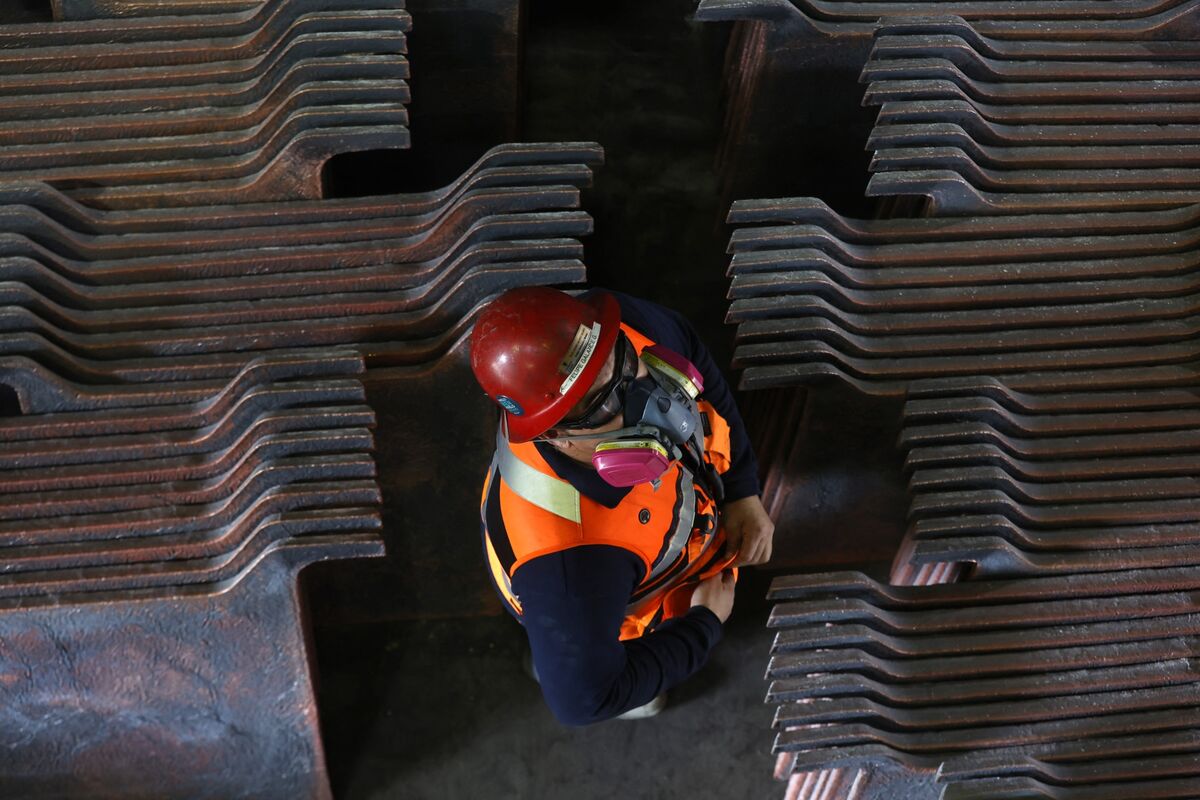
Chile’s government wants copper output to reach 6 million metric tons within four to five years, ahead of Cochilco’s 2033 timeline, by speeding permits and changing regulations. Current production is about 5.6 million tons this year and is expected to rise to roughly 5.97 million tons in 2027. The move is supportive for copper supply, with potential implications for global copper prices and mining sentiment.
The key market implication is not just more copper, but a faster-than-expected resolution of one of the cleanest supply bottlenecks in industrial metals. That matters because copper pricing is currently being supported by a scarcity premium tied to permit/idle-capacity constraints; compressing the timeline by several years raises the probability that forward curves stay capped even if near-term spot remains firm. The first-order loser is anyone long the idea that structurally tight supply must reprice the whole complex higher for years; the second-order loser is high-cost marginal supply in jurisdictions where capital now has a better alternative. The bigger winner set is upstream equipment, engineering, and project-services providers if this turns into a genuine permitting acceleration rather than a headline-only policy shift. Faster approvals shorten the conversion of exploration budgets into FID and construction, which tends to shift returns away from pure commodity beta and toward execution-sensitive contractors and miners with ready-to-go assets. For diversified producers, the impact is more nuanced: the group can use a higher probability of Chilean growth to de-risk medium-term growth plans, but the same move reduces scarcity value embedded in long-duration copper exposure. Consensus is likely underestimating the timing risk on both sides. If the government overpromises and underdelivers on permitting reform, the market will quickly fade the announcement because copper equity multiples are already sensitive to credibility on project timelines; but if approvals genuinely accelerate, the biggest pricing response may come in the 6-18 month window as capex budgets reallocate before actual tons hit the market. The contrarian angle is that this is bearish copper only if the supply response is broad-based; if it is narrowly concentrated in a few large Chilean names, the real trade is relative value inside the miners, not a blanket short on copper.
AI-powered research, real-time alerts, and portfolio analytics for institutional investors.
Request DemoOverall Sentiment
mildly positive
Sentiment Score
0.25
