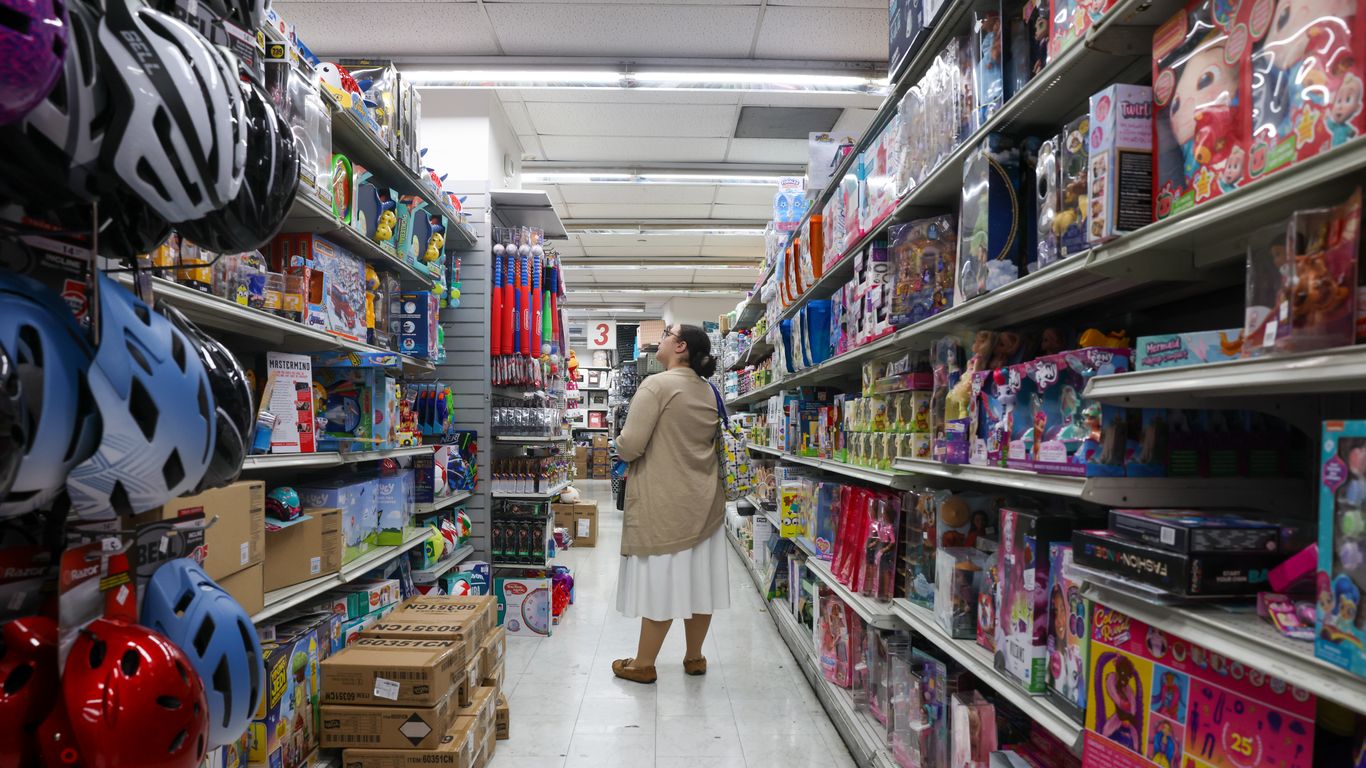
U.S. retail spending rebounded sharply in June, rising 0.6% following a May decline, significantly exceeding economists' expectations. This robust rebound, driven by increased spending in home improvement, apparel, and auto sectors, signals strong consumer resiliency despite ongoing concerns about tariffs, indicating that American shoppers remain a key support for economic activity.
U.S. retail sales demonstrated significant resilience in June, rebounding by 0.6% following a substantial decline of nearly 1% in May. This growth surpassed economists' forecasts and suggests that consumer spending, a critical pillar of the U.S. economy, remains robust despite persistent concerns over the economic impact of tariffs. The data reveals a clear divergence in spending patterns, with notable strength in home improvement, apparel, bars, restaurants, and auto retailers. Conversely, spending contracted in furniture, electronics, and department stores, while remaining flat at gasoline stations. This bifurcation highlights specific areas of consumer confidence and weakness. The fact that this data is not adjusted for inflation should be noted. Overall, the report provides a positive signal that U.S. shoppers have maintained their purchasing power after a period of tariff-related volatility.
AI-powered research, real-time alerts, and portfolio analytics for institutional investors.
Request DemoOverall Sentiment
moderately positive
Sentiment Score
0.55
