


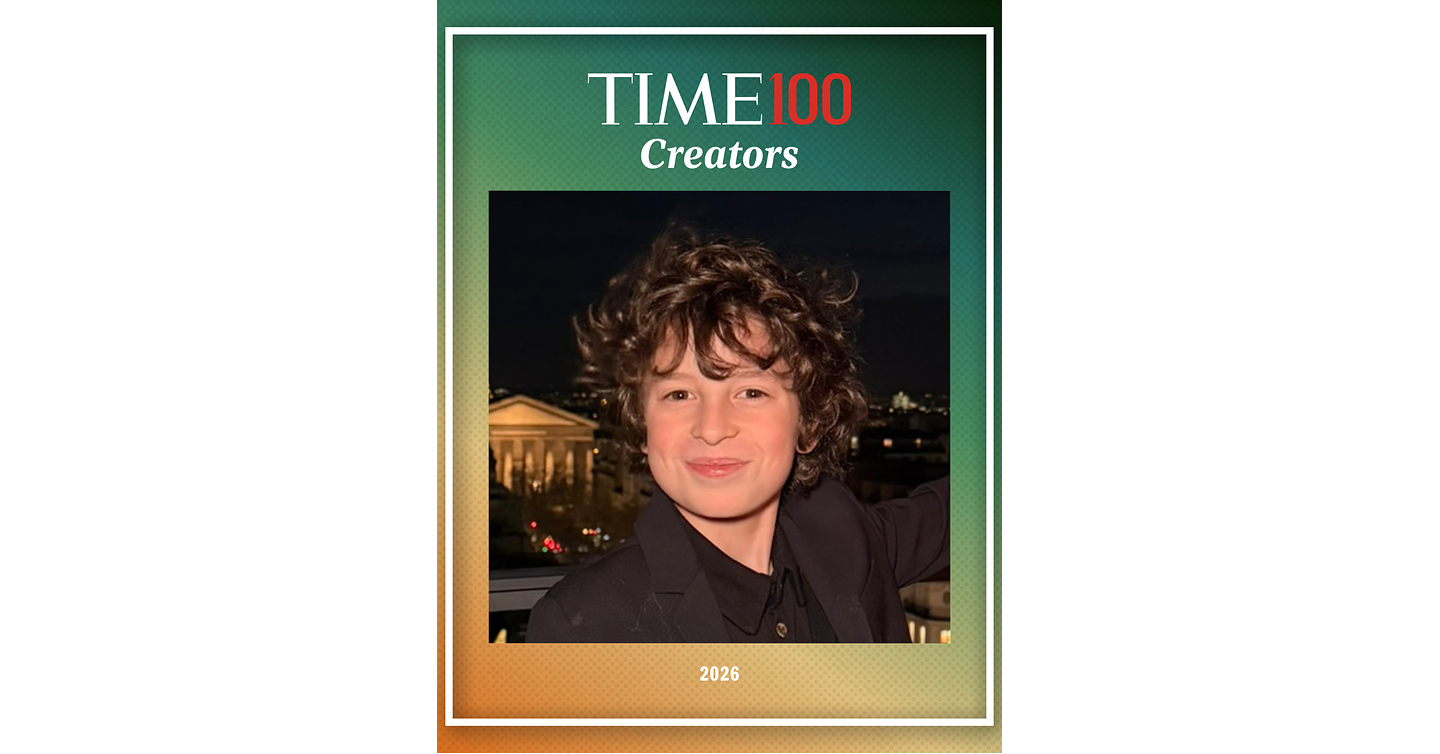
TIME named 10-year-old fashion designer Max Alexander to the 2026 TIME100 Creators list, citing his Guinness record as the world’s youngest runway fashion designer. The article highlights his use of ~90% sustainable and repurposed materials for a Paris Fashion Week debut and promotion of circular fashion. This is a cultural/media recognition with no direct financial or market implications.
This is an attention event, not a fundamental one. The only plausible public-market transmission is a tiny halo effect for NYT from association with a high-visibility culture story, but that impact is too small and too slow to alter subscription, ad, or licensing math in a measurable way over the next quarter. Any initial price reaction should be treated as liquidity-driven noise unless it coincides with a broader improvement in engagement or digital ARPU.
The second-order read is more interesting for private-market fashion and creator-economy ecosystems than for listed equities: the message reinforces that authenticity, sustainability, and youth-led storytelling remain high-value brand attributes. That can marginally support marketing budgets toward creator-driven channels, but it does not translate into incremental demand for the public names named here. The overhang is that investors often overestimate how much cultural validation converts into revenue; history suggests these headlines fade quickly unless backed by monetization data.
Contrarian view: the consensus mistake is treating prestige coverage as a growth catalyst. For NYT, a brand halo can help sentiment, but the stock needs evidence of paid conversion, not just reach. For sustainable fashion, the signal is directionally supportive for the theme, yet still years away from being investable via the public names in this article; there is no clean catalyst path here.
AI-powered research, real-time alerts, and portfolio analytics for institutional investors.
Overall Sentiment
neutral
Sentiment Score
0.10
Ticker Sentiment
