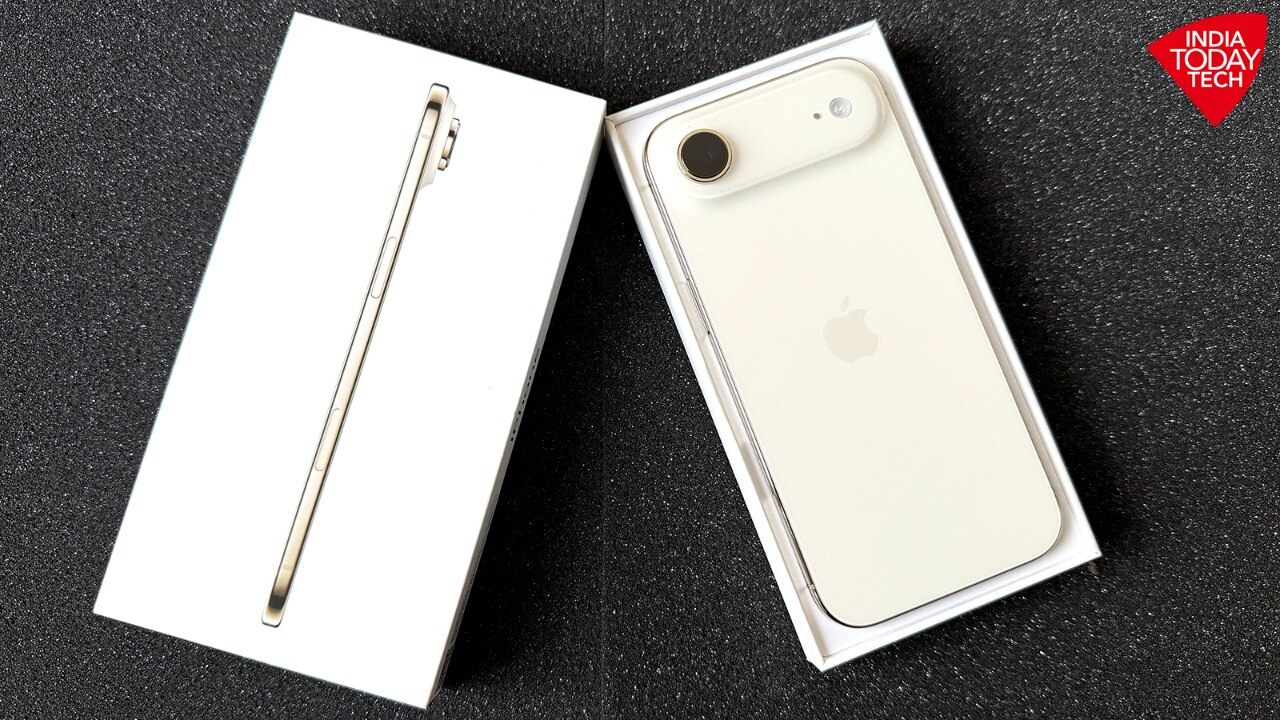
Reliance Digital is offering Black Friday discounts on Apple’s newly launched iPhone Air, cutting the 256GB model from Rs 119,900 to Rs 109,900 (−Rs 10,000), the 512GB from Rs 139,900 to Rs 128,900 (−Rs 11,000), and the 1TB from Rs 159,900 to Rs 146,900 (−Rs 13,000), with additional bank, exchange and no-cost EMI incentives. The ultra‑thin 5.6mm device—powered by the A19 Pro Bionic with Apple Intelligence and featuring a 48MP main camera and 120Hz OLED—becomes one of the more competitively priced premium iPhones in India and could boost near‑term unit demand in the festive season, though the promotion is unlikely to materially move Apple’s equity on its own.
Market structure: The Rs 10k–13k Black Friday markdown (≈8–10% off launch price on the 256–1TB SKUs) benefits AAPL (higher unit sales, channel inventory clearing) and retail partners like Reliance Digital/Reliance Retail, while short‑term ASP and handset gross margins likely compress by mid-single digits in India. Competitive dynamics favor Apple at the premium end versus Android OEMs in India (pressure on Samsung’s premium mix), but sustained share gains require recurring promotional intensity that can erode pricing power over 2–6 quarters. Cross-asset: equity reaction is primary; expect modest rise in AAPL option flow and near-term IV; negligible sovereign bond impact, slight INR outflow risk if promotions drive imports, and limited commodity effects beyond NAND/PMIC component demand shifts.
Risk assessment: Tail risks include a larger-than-expected services attach shortfall (hurt LTV), regulatory/tax action on promo pricing in India, or a global macro slowdown hitting premium upgrades—each could shave 5–15% off volumes vs base case. Immediate (days): transient sales spike; short (weeks–months): inventory digestion and channel margin pressure; long (quarters+): product adoption of Apple Intelligence drives services revenue if retention >50% of new buyers. Hidden dependency: sales driven by finance/exchange incentives (subsidy risk if funding dries up). Catalysts: December-quarter sell‑through data, Apple’s Jan/Feb India guidance, and competitor holiday promos.
Trade implications: Direct: light-to-moderate bullish on AAPL exposure to capture holiday upgrade cycle but hedge margin risk — prefer defined-risk option structures for 1–4 month horizon. Pair trades: long AAPL vs short Samsung (005930.KS) to express premium carve‑out in India over 3–6 months. Sector: overweight Consumer Tech hardware and high‑quality retail names (RELIANCE.NS) for holiday tailwinds; underweight smaller EM smartphone OEMs. Timing: initiate within 2 weeks to capture Black Friday momentum; realize profits or reassess after January sell‑through and Apple’s FY‑Q commentary.
Contrarian angles: Consensus treats the discount as benign holiday marketing; missing is the possibility that sustained discounting in a strategic market like India signals tougher-than-expected global mid‑cycle demand, pressuring iPhone ASPs by 3–7% over 2–4 quarters. Conversely, the market underprices the long‑term value of embedding Apple Intelligence on more devices — if services monetization lifts ARPU by $2–4/month, AAPL upside is underappreciated. Historical parallels: prior holiday discounts accelerated replacement cycles but temporarily depressed ASPs; unintended consequence here is conditioned consumer patience (higher propensity to wait for promos), worsening sequential revenue visibility.
AI-powered research, real-time alerts, and portfolio analytics for institutional investors.
Request DemoOverall Sentiment
mildly positive
Sentiment Score
0.25
Ticker Sentiment
