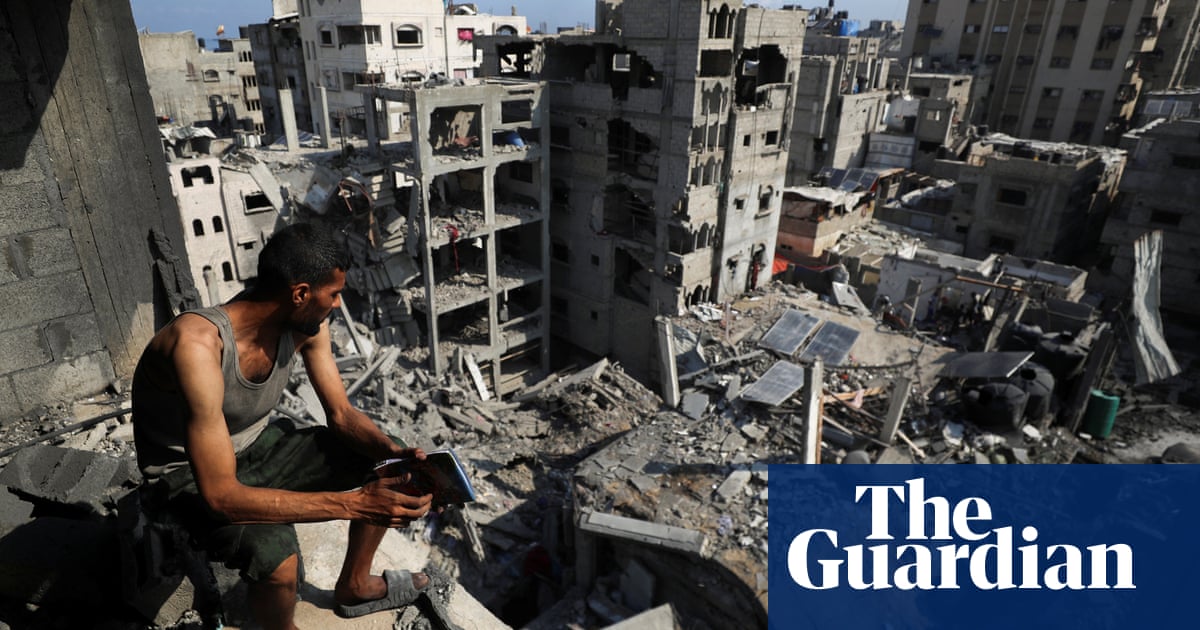
A new Gaza ceasefire agreement is reportedly imminent, with Donald Trump indicating Hamas's likely acceptance of a deal Israel has already endorsed. The proposed 60-day ceasefire, expected to be formalized during Benjamin Netanyahu's visit to Washington, includes the staggered release of hostages and Palestinian prisoners, increased humanitarian aid, and a phased Israeli troop withdrawal, with subsequent talks aimed at a permanent resolution. This development is attributed to Trump's mediation, the recent Israel-Iran conflict bolstering Netanyahu's political standing, and Hamas's weakened state seeking to retain a presence in Gaza. While offering a critical pause, the long-term resolution remains uncertain, as Israel reportedly reserves the right to resume military operations if Hamas is not disarmed through negotiations.
A new 60-day ceasefire in the Gaza conflict appears imminent, reportedly brokered by the U.S. and accepted by Israel. This development is primarily driven by a confluence of political calculations rather than a definitive resolution to hostilities. Israeli Prime Minister Netanyahu's position has been politically bolstered by a recent, short-lived conflict with Iran, creating an opportunity to frame a Gaza ceasefire as a strategic success ahead of potential elections next year. An upcoming parliamentary recess provides him further insulation from far-right coalition partners opposed to a deal and from his ongoing corruption trial. For Hamas, the deal is a matter of survival; the organization is described as significantly weakened by the 21-month war and is now focused on retaining a residual presence in Gaza. Despite the positive signal of a pause, significant underlying risks remain. The deal's terms, including hostage releases and aid, are temporary, and Israeli sources explicitly state that military operations will resume if Hamas is not disarmed through negotiation, a position Washington would reportedly support. This underlying fragility, combined with the severe humanitarian toll where 57,000 Palestinians have died, frames the ceasefire as a precarious, politically-motivated pause rather than a stable, long-term solution, justifying the cautious and moderately negative sentiment.
AI-powered research, real-time alerts, and portfolio analytics for institutional investors.
Request DemoOverall Sentiment
moderately negative
Sentiment Score
-0.40
