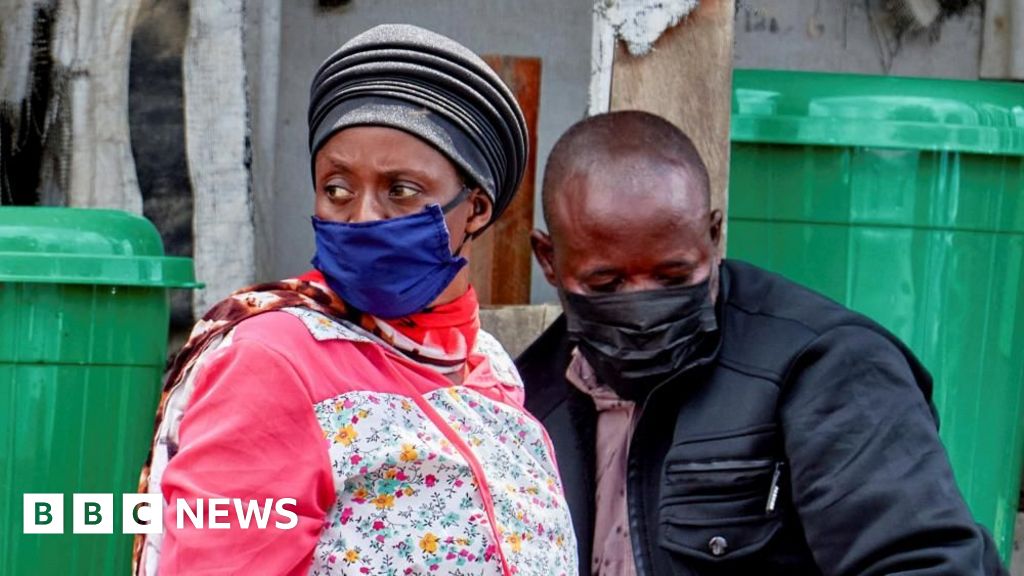
WHO raised the Ebola outbreak risk in DR Congo from high to very high at the national level, with regional risk still high and global risk low. The outbreak has 82 confirmed cases and 7 confirmed deaths, while broader suspected totals stand at 750 cases and 177 suspected deaths. The disease is a Bundibugyo Ebola strain with no proven vaccine, and violence and insecurity are hampering the response.
This is not a broad market event, but it is a high-conviction signal for the health-security complex and for frontier risk premia. The key second-order effect is that outbreaks in conflict zones tend to lag the epidemiological curve because containment depends more on logistics, trust, and security than on medicine; that makes the market impact asymmetric to the downside if case counts accelerate over the next 2-6 weeks. The absence of a proven countermeasure also means the option value sits with firms that can monetize platform flexibility, cold-chain distribution, and rapid trial execution rather than with single-asset vaccine developers.
The near-term winner set is likely to be contract research, diagnostics, and large-cap tools suppliers with exposure to outbreak testing and surveillance, not speculative small-cap vaccine names. A successful clinical-readout path over 2-3 months would likely rerate “pandemic basket” names well before any commercial approval, but the more durable trade is in providers of specimen handling, sequencing, and public-health procurement. In EM, the first-order damage is not just local healthcare spending; it is disruption to border flows, labor mobility, and informal trade, which can pressure adjacent sovereign risk and select consumer/import-dependent names if the outbreak widens regionally.
Consensus may be underpricing the tail that this becomes a funding-and-governance story rather than only a health story. If insecurity prevents contact tracing, the market should expect repeated headline shocks and a slower resolution path, which is supportive for volatility buyers but negative for any attempt to fade the move too early. The main reversal catalyst is a credible containment step plus visible reduction in transmission chains; absent that, the risk window is measured in months, not days, and the highest-risk period is the next few reporting cycles rather than the eventual vaccine timeline.
AI-powered research, real-time alerts, and portfolio analytics for institutional investors.
Request DemoOverall Sentiment
strongly negative
Sentiment Score
-0.72
