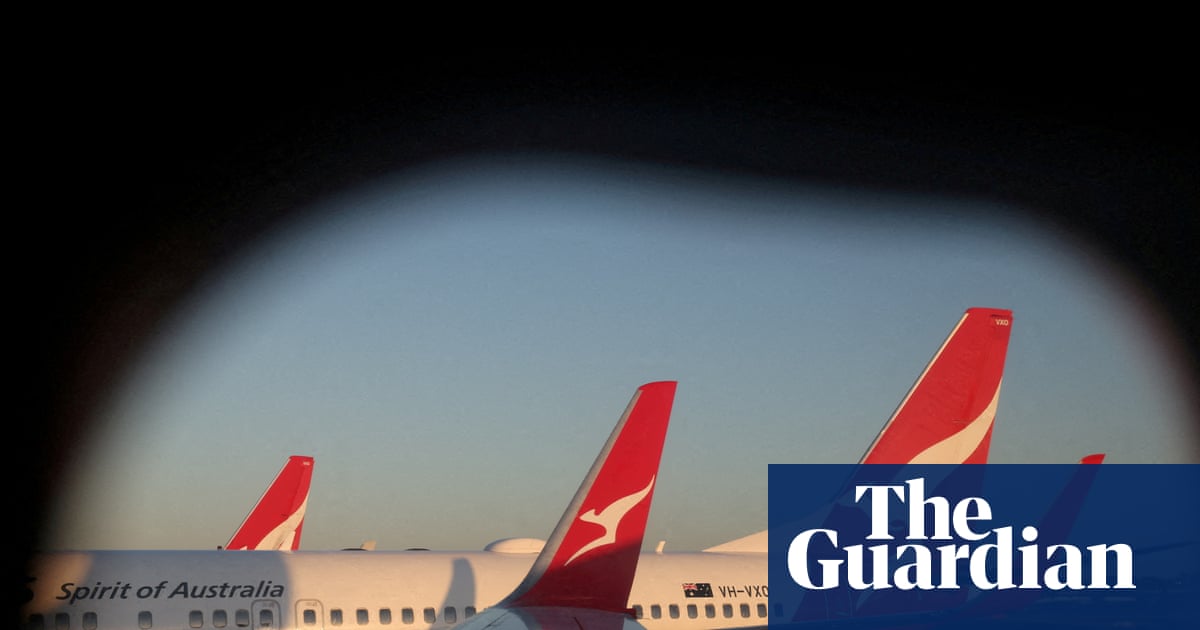
Qantas is raising international airfares after Brent crude spiked as high as US$119.50/barrel amid the Middle East conflict, with the carrier not fully hedged against the recent jet-fuel price surge. Some Europe routes are >90% full in March (vs ~75% typical), and Qantas is considering adding capacity; Air New Zealand warned profits will now miss expectations due to higher jet fuel costs. Virgin Australia has hedged ~85% of its fuel costs for the first half of 2026, indicating differing hedge exposures across peers and ongoing cost and revenue mix uncertainty for the sector.
Qantas is in an unusual position to monetize a short-lived spike in demand and fares because capacity to Europe is constrained now while competitor hubs are disrupted; higher yields from April–June bookings can outpace fuel pain for a few quarters because marginal seats are near-full and rebooked passengers show lower price elasticity. The airline’s ability to route through the US/Asia/South Africa gives optionality to redeploy metal quickly, but tangible capacity increases (additional flights/aircraft rotations) have 4–12 week lead times and will re-normalize unit revenue if management chases volume irresponsibly.
Fuel is the dominant second-order lever. A partial hedge shortfall makes airlines economically long a geopolitical Brent shock; that transfers margin to refiners and integrated energy names while compressing cashflow for under-hedged carriers within 0–6 months. If Brent trades north of ~$95 for more than one quarter, expect a measurable drop in leisure booking pace starting in 8–12 weeks as ticket elasticity bites and corporate itineraries reprioritize.
Competitive dynamics split into two buckets: carriers with active, long-dated hedge books and disciplined capacity (relative winners) versus those with limited hedges and higher exposure to long-haul feed loss (relative losers). Secondary effects include higher demand for wet-lease/charter capacity (upwards pressure on short-term lease rates) and a widening jet fuel-to-crude crack that benefits refiners with jet fuel yield focus.
Contrarian risk: geopolitical risk is binary and mean-reverting; a diplomatic de-escalation could erase >20% of the oil move within days, flipping airlines from under-pressure to beneficiaries of rapid crude drop via lower cash costs. Position sizing and option-based entry are therefore essential — directional exposure to oil should be time-limited and sized for headline risk over the next 6–12 weeks.
AI-powered research, real-time alerts, and portfolio analytics for institutional investors.
Request DemoOverall Sentiment
mixed
Sentiment Score
0.00
